Skip to content

EaseDial Blog

Cloud Communications,
Explained.

Practical guides on UCaaS, CCaaS, AI voice, call routing, and contact center operations — for people building or running business communications.

UCaaS & Business Phone

UCaaS & Business Phone

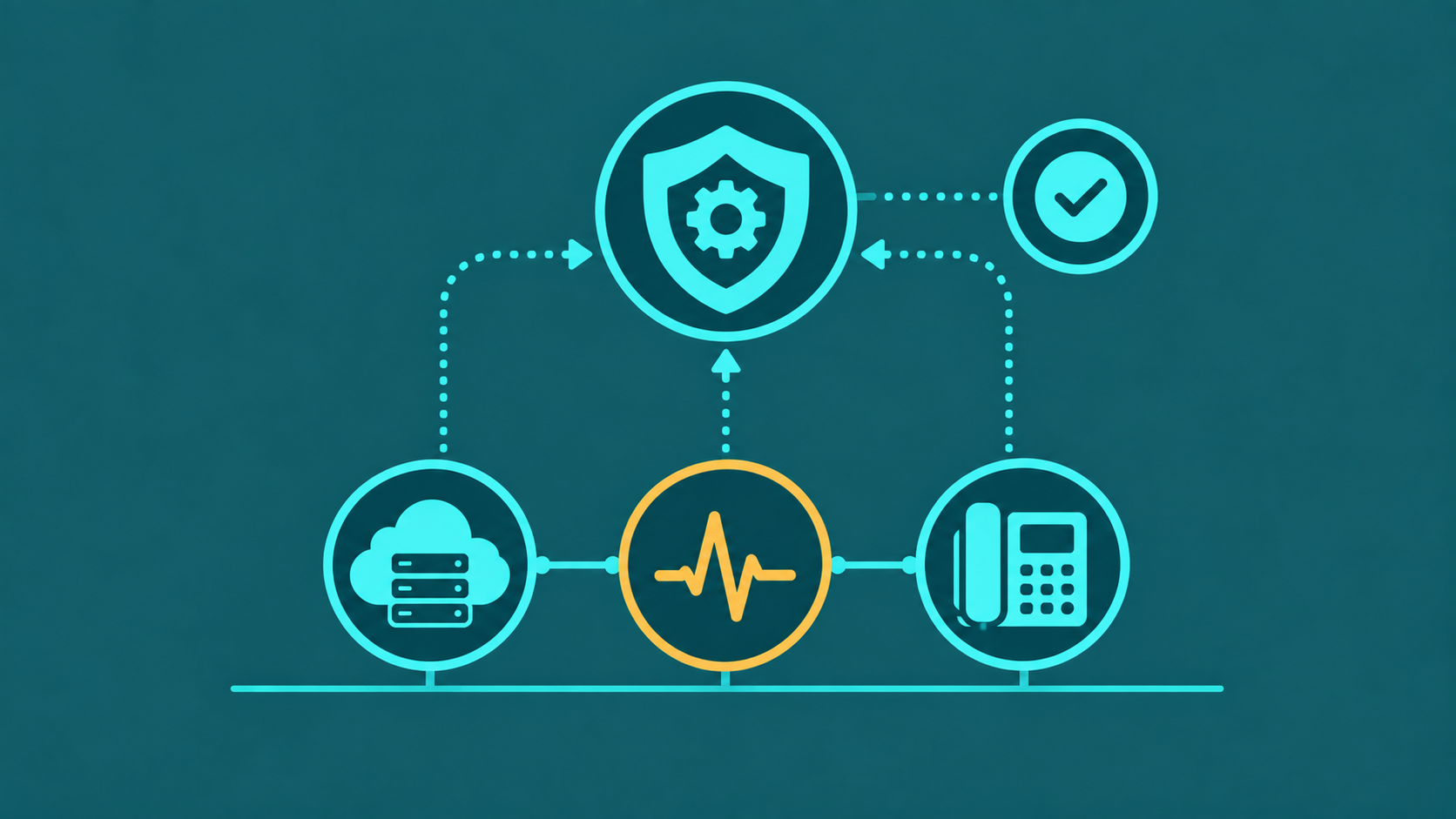
Business VoIP Solutions San Antonio TX: Complete Guide

Business VoIP solutions in San Antonio TX give local companies 210 and 726 area codes, a hosted cloud PBX, and enterprise phone features — auto attendants, call recording, and CRM integration — without on-premise hardware. This guide covers what San Antonio businesses need to know about VoIP providers, local number porting, and key industries.
UCaaS & Business Phone

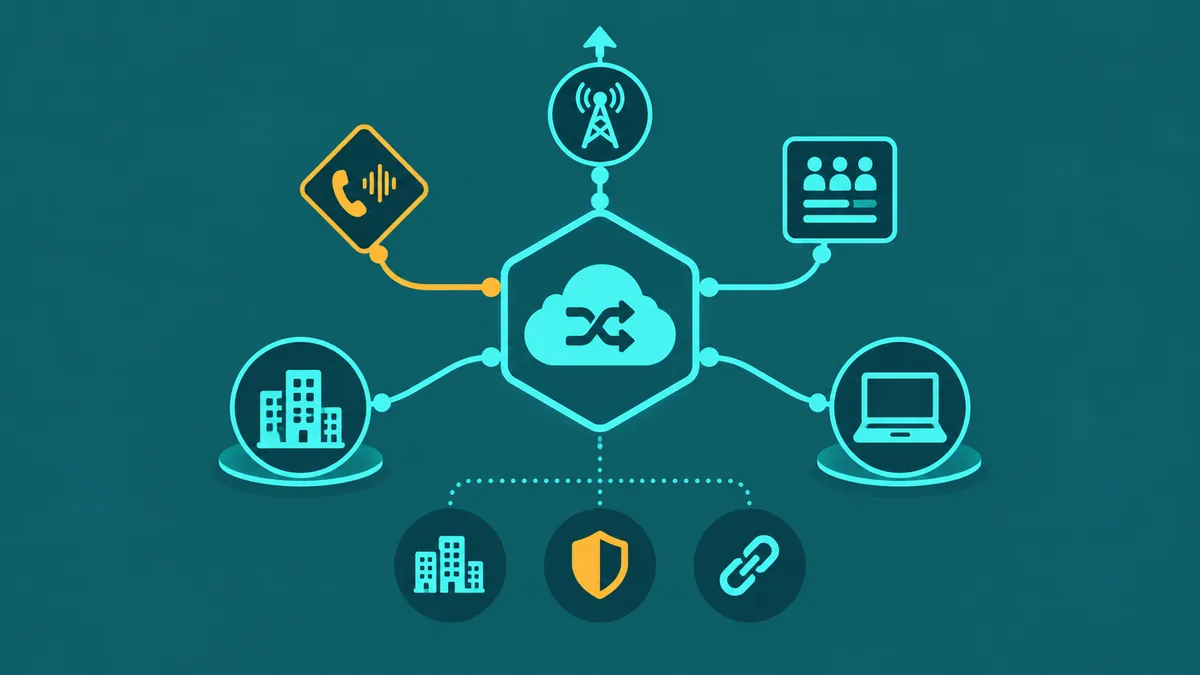
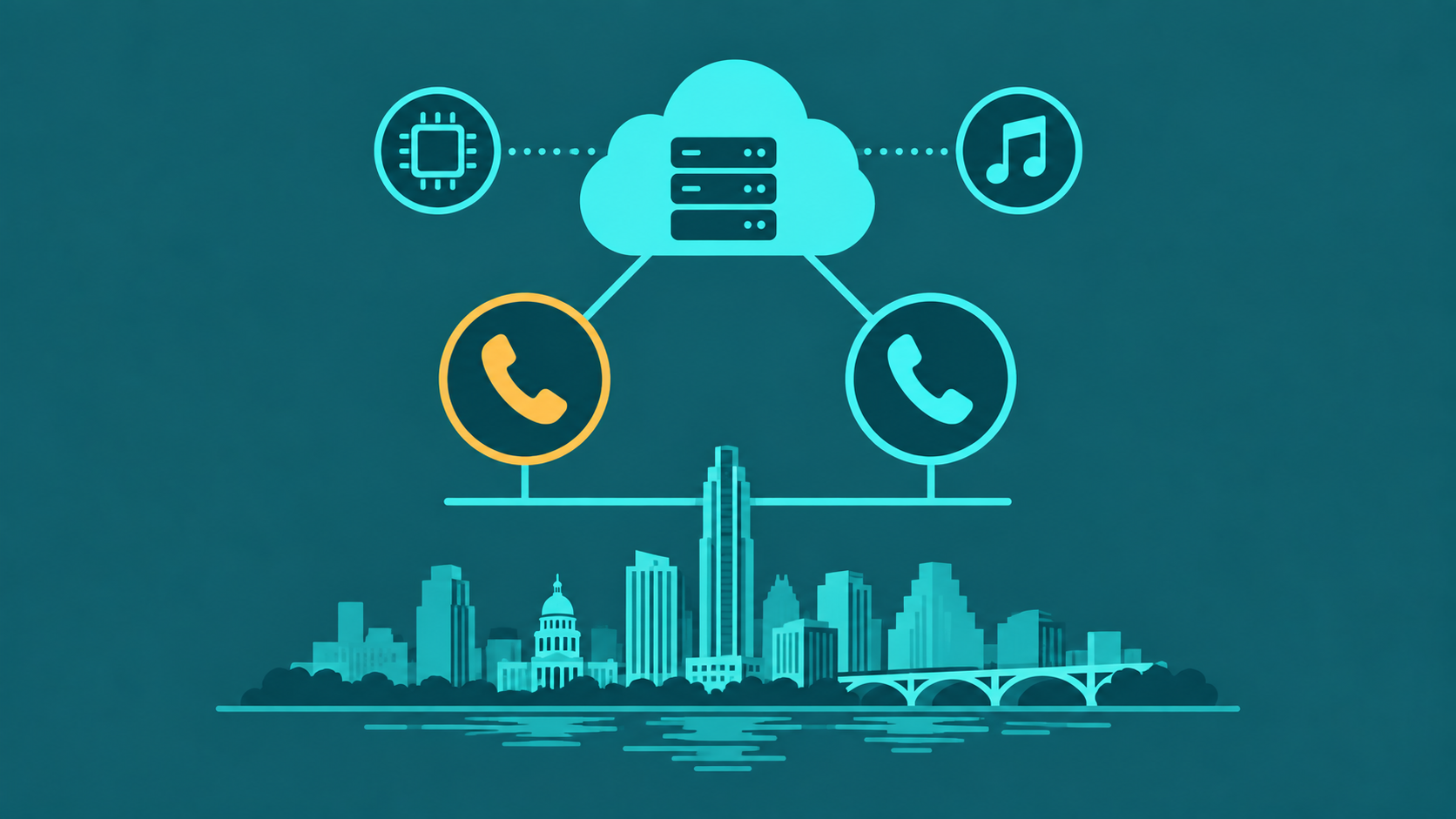
Managed VoIP Services: Complete Guide for Businesses

Managed VoIP services delegate provisioning, monitoring, patching, and support for your business phone system to a managed service provider — freeing internal IT from day-to-day telecom operations. This guide covers what managed VoIP includes, when it makes sense, and how to evaluate MSPs.

UCaaS & Business Phone

VoIP Phone Service Austin TX: Complete Guide for Businesses

VoIP phone service in Austin TX gives local businesses 512 and 737 area codes, a hosted PBX, and enterprise features — auto attendants, call recording, and CRM integration — without on-site hardware. This guide covers what Austin businesses should look for in a VoIP provider, local number porting, and industry use cases.
UCaaS & Business Phone

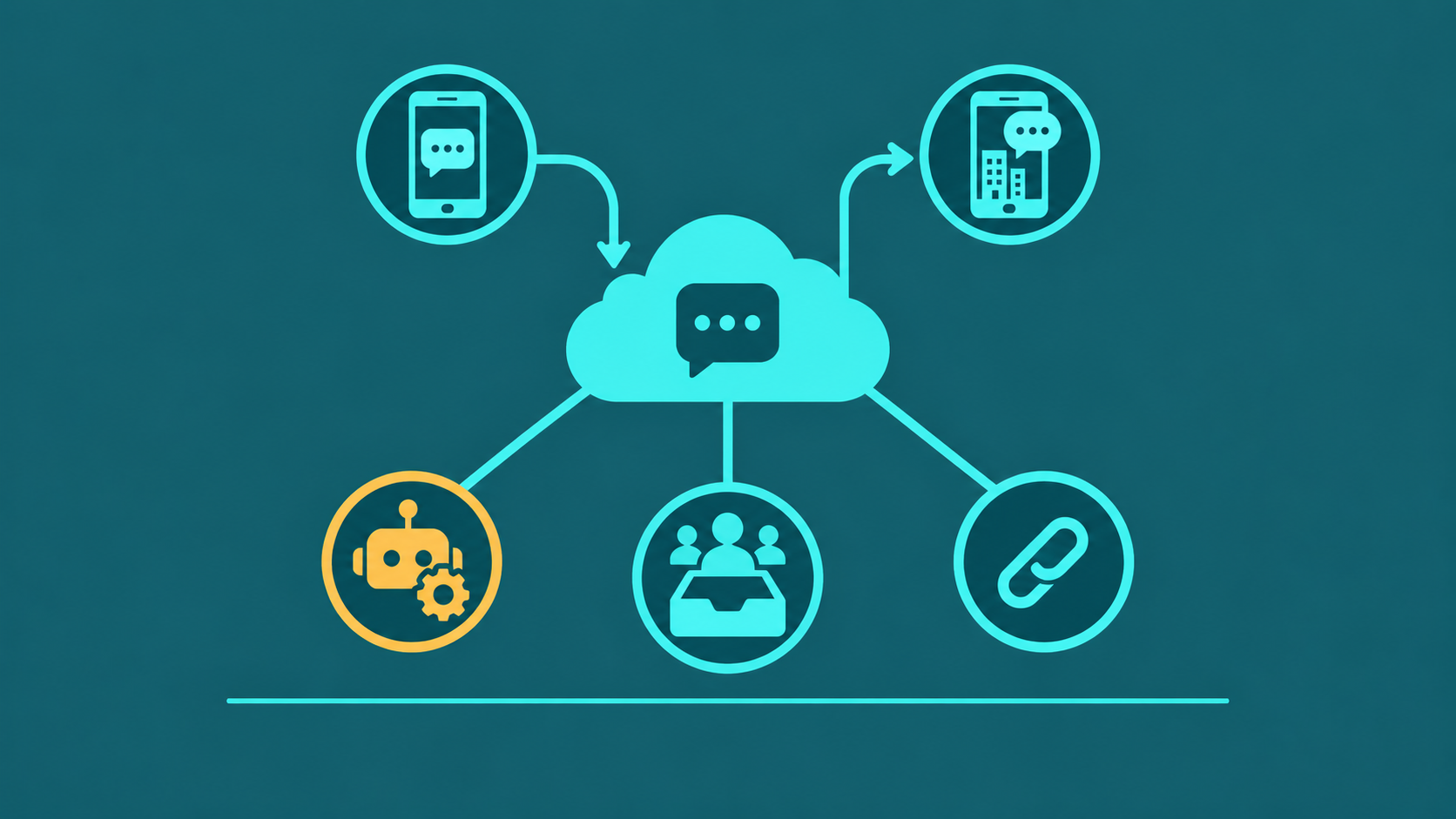
SMS Answering Service: Complete Guide for Businesses

An SMS answering service routes incoming text messages to agents or automated workflows — handling inquiries, appointment confirmations, and support tickets without requiring a phone call. This guide covers how SMS answering services work, key features, and what businesses should look for.

UCaaS & Business Phone

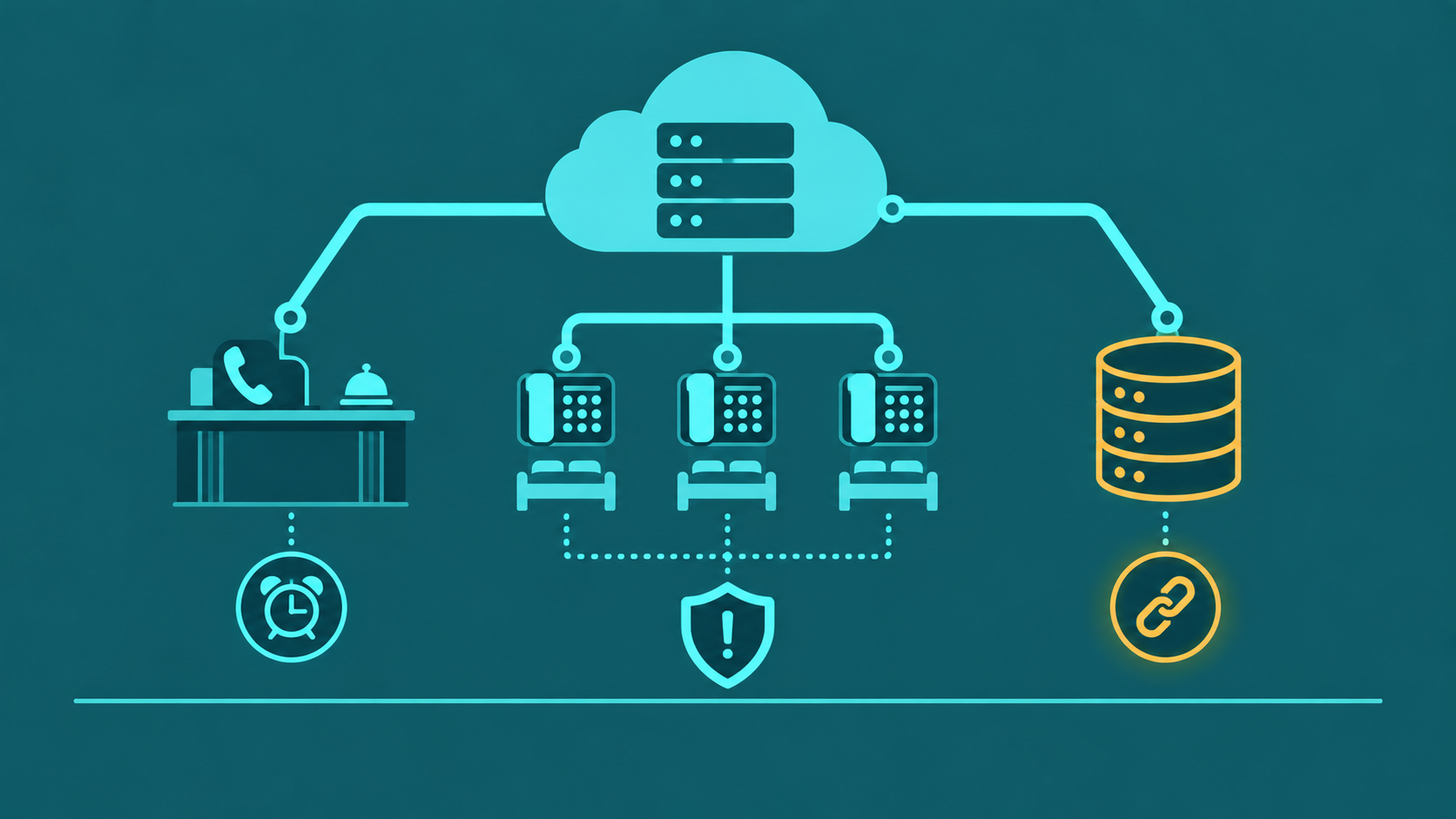
Hotel Phone System: Complete Guide for Businesses

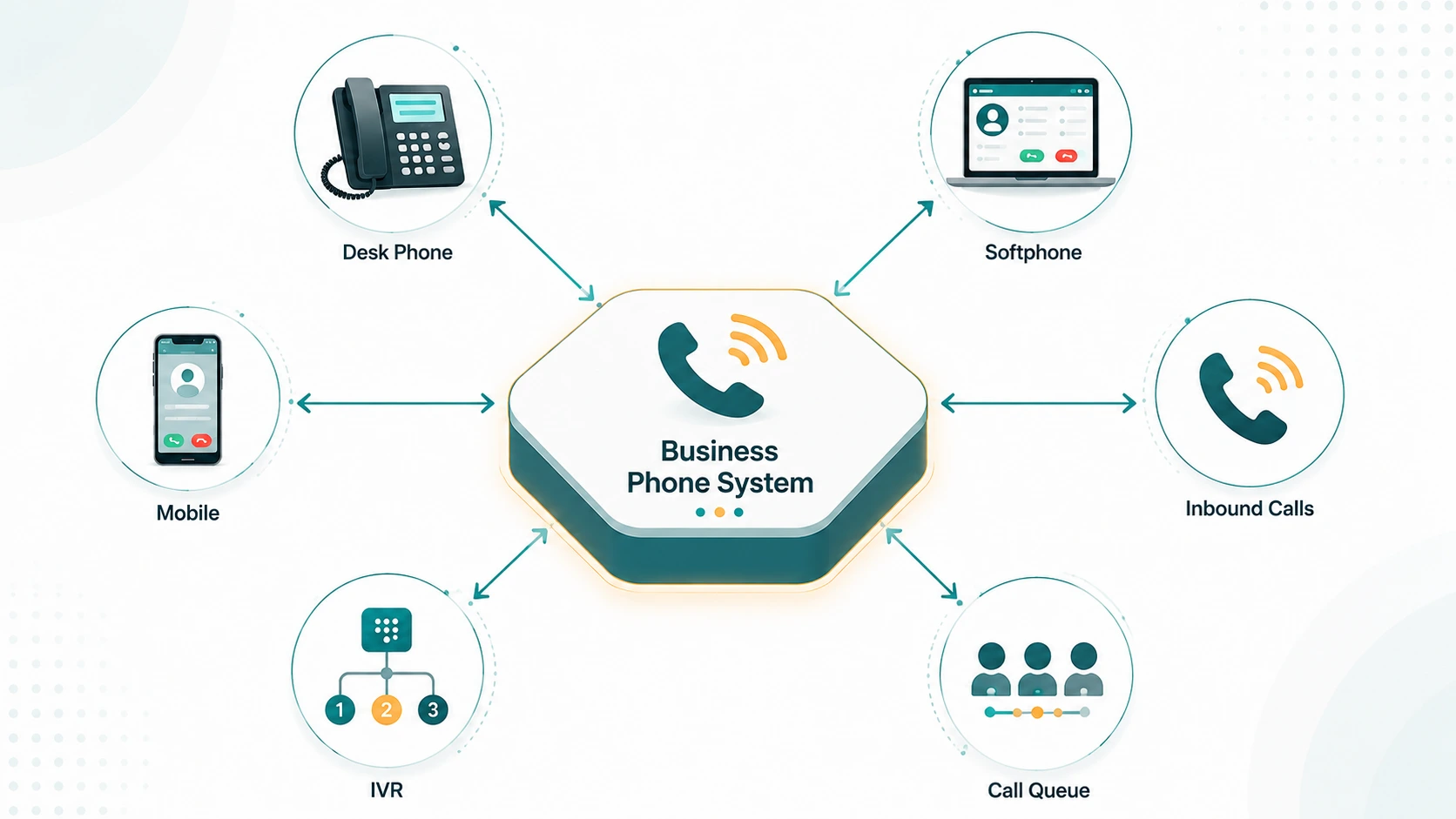
A hotel phone system must integrate with the property management system (PMS), support per-room E911, enable guest-to-front-desk routing, and handle wake-up call scheduling — requirements standard business VoIP platforms do not address. This guide covers hotel PBX vs cloud options, must-have features, and compliance.
UCaaS & Business Phone

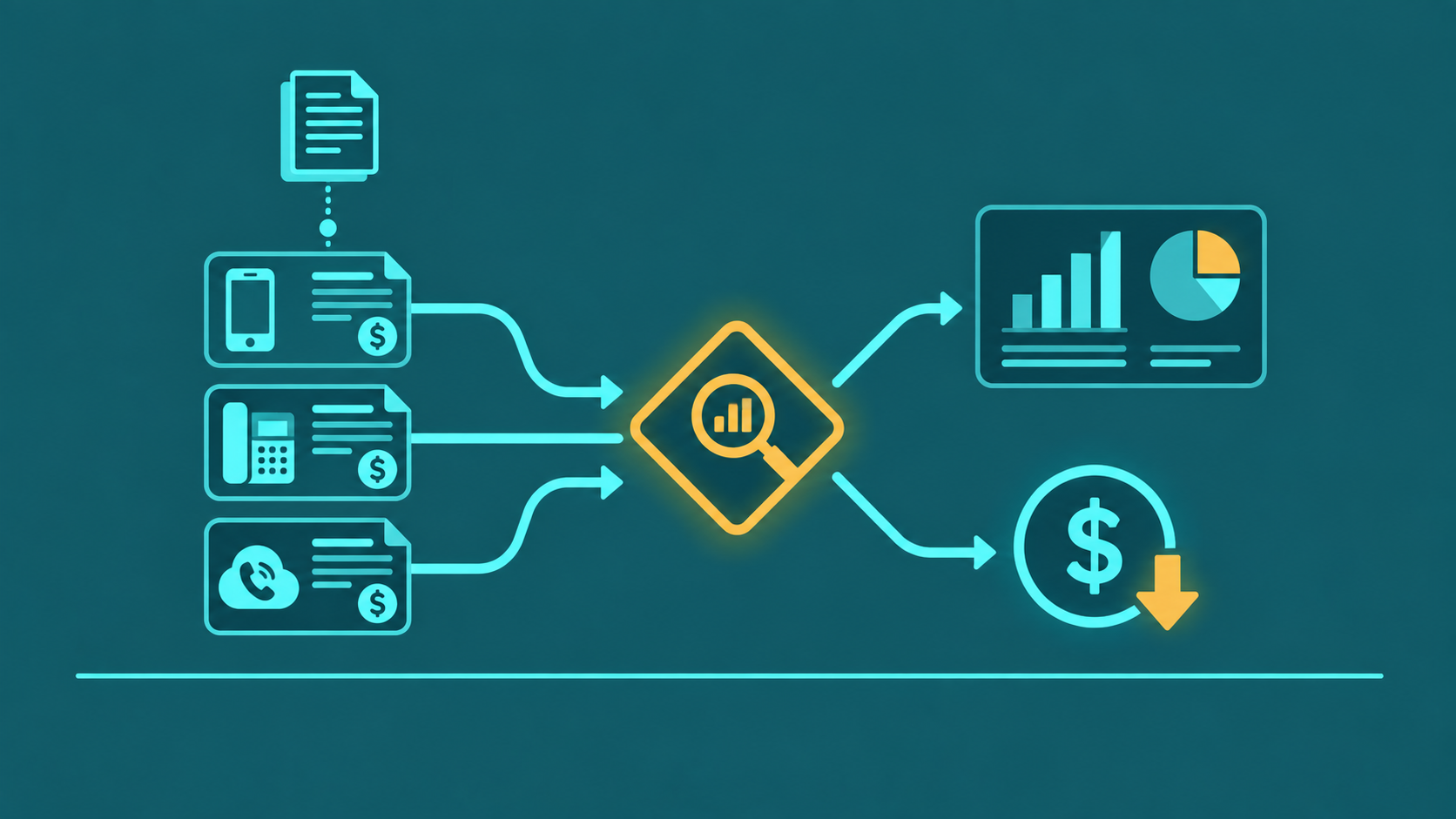
Telecom Expense Management: Complete Guide for Businesses

Telecom expense management (TEM) covers auditing, tracking, and optimizing telecom invoices, contracts, and usage — catching billing errors, eliminating unused lines, and benchmarking carrier pricing. This guide covers how TEM works, what software does, and how to implement a program.

UCaaS & Business Phone

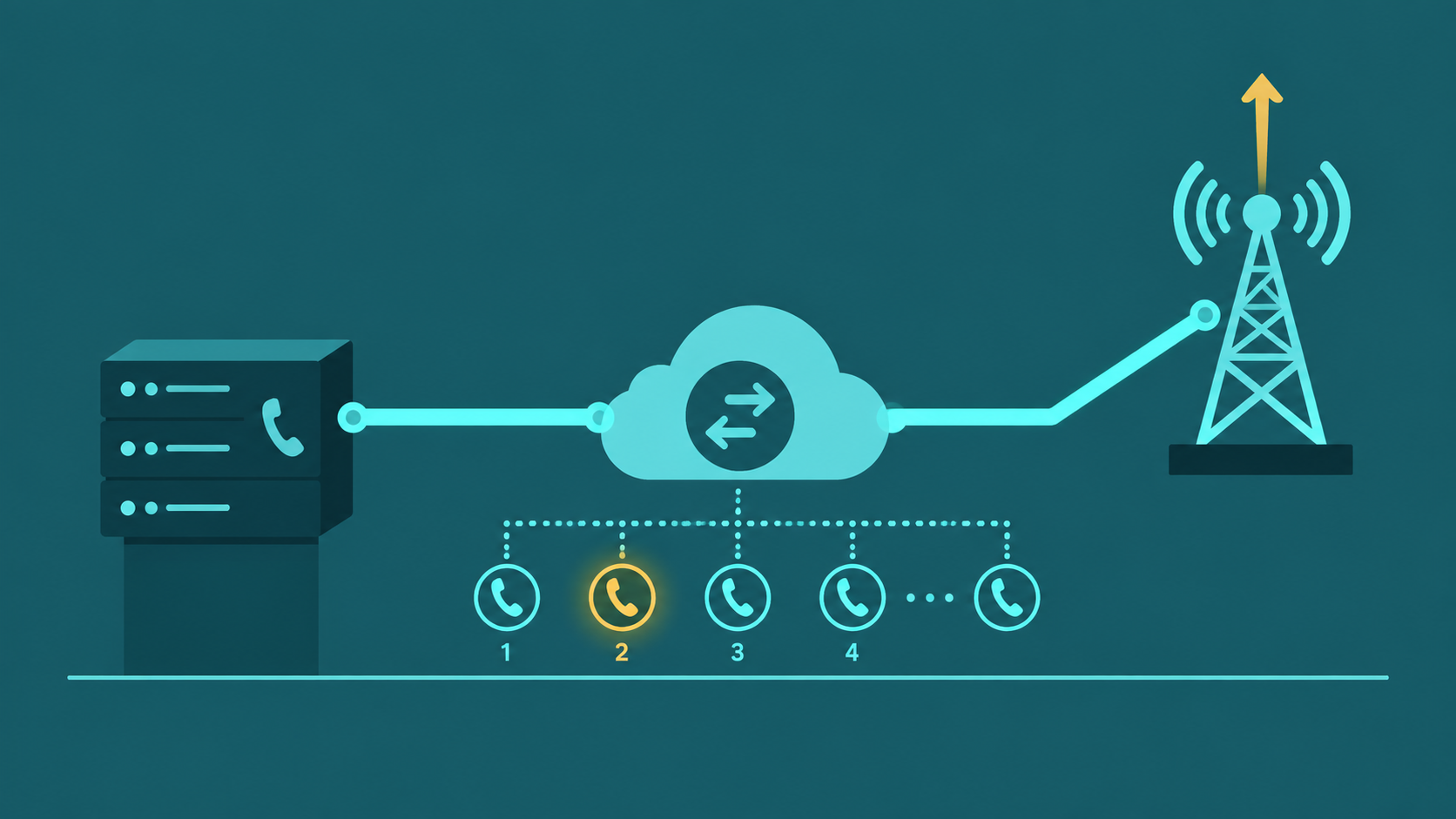
SIP Trunking Explained: How It Works, Costs & Best Providers

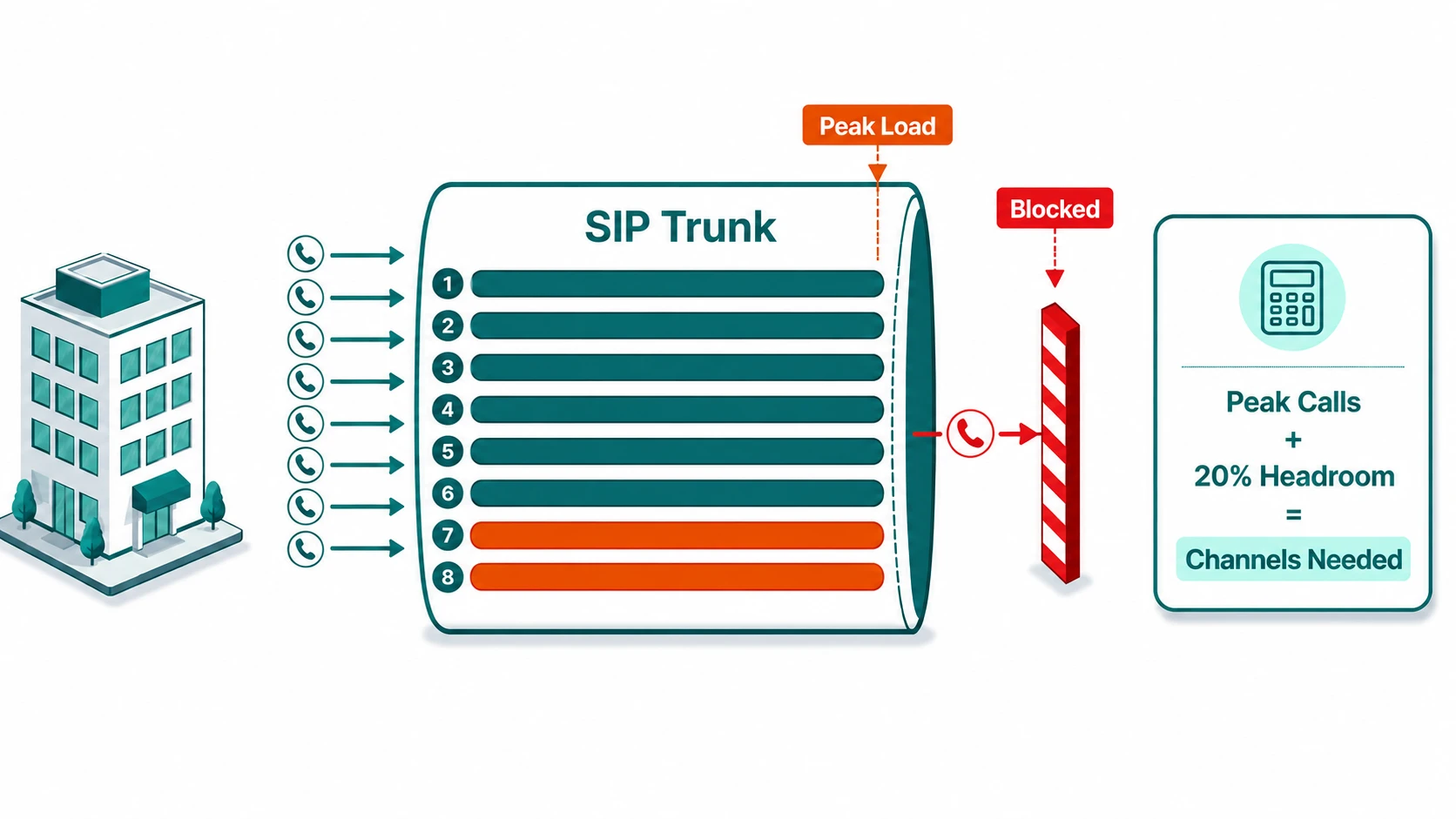
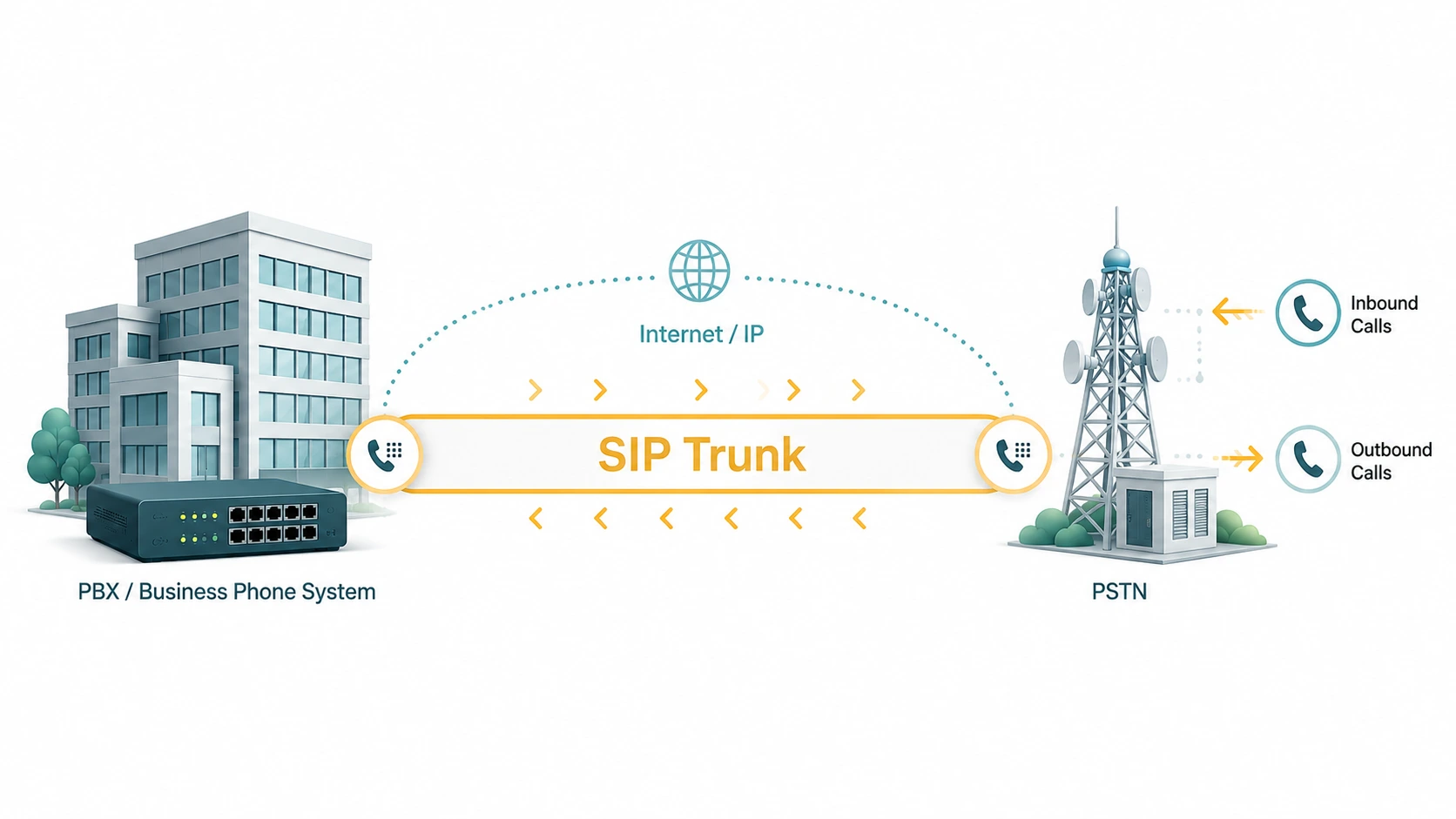
SIP trunking replaces physical phone lines (PRI/ISDN) with logical IP channels that connect your business phone system to the PSTN. This guide covers how SIP trunks work, how to size concurrent channels, what to look for in a provider, and how SIP trunking pricing compares to hosted VoIP.

UCaaS & Business Phone

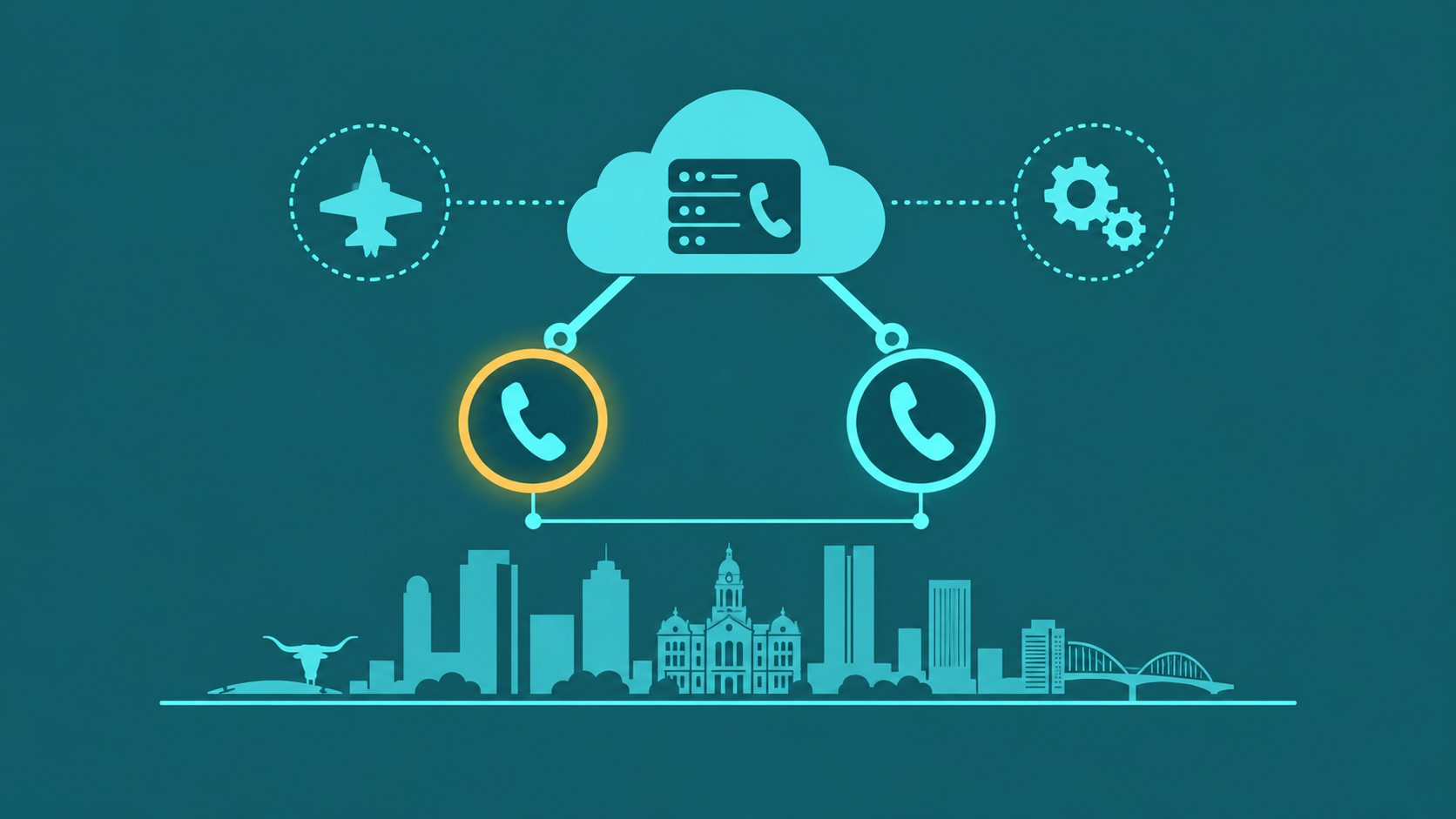
Business VoIP Phone Systems Fort Worth TX: Complete Guide

Business VoIP phone systems in Fort Worth TX give local companies a cloud PBX with 817/682 area codes, local number porting, and full PBX features — without on-site hardware. What Fort Worth businesses need to know about providers, industries, and DFW multi-site connectivity.

UCaaS & Business Phone

Cloud PBX: What It Is, How It Works & Why Businesses Switch

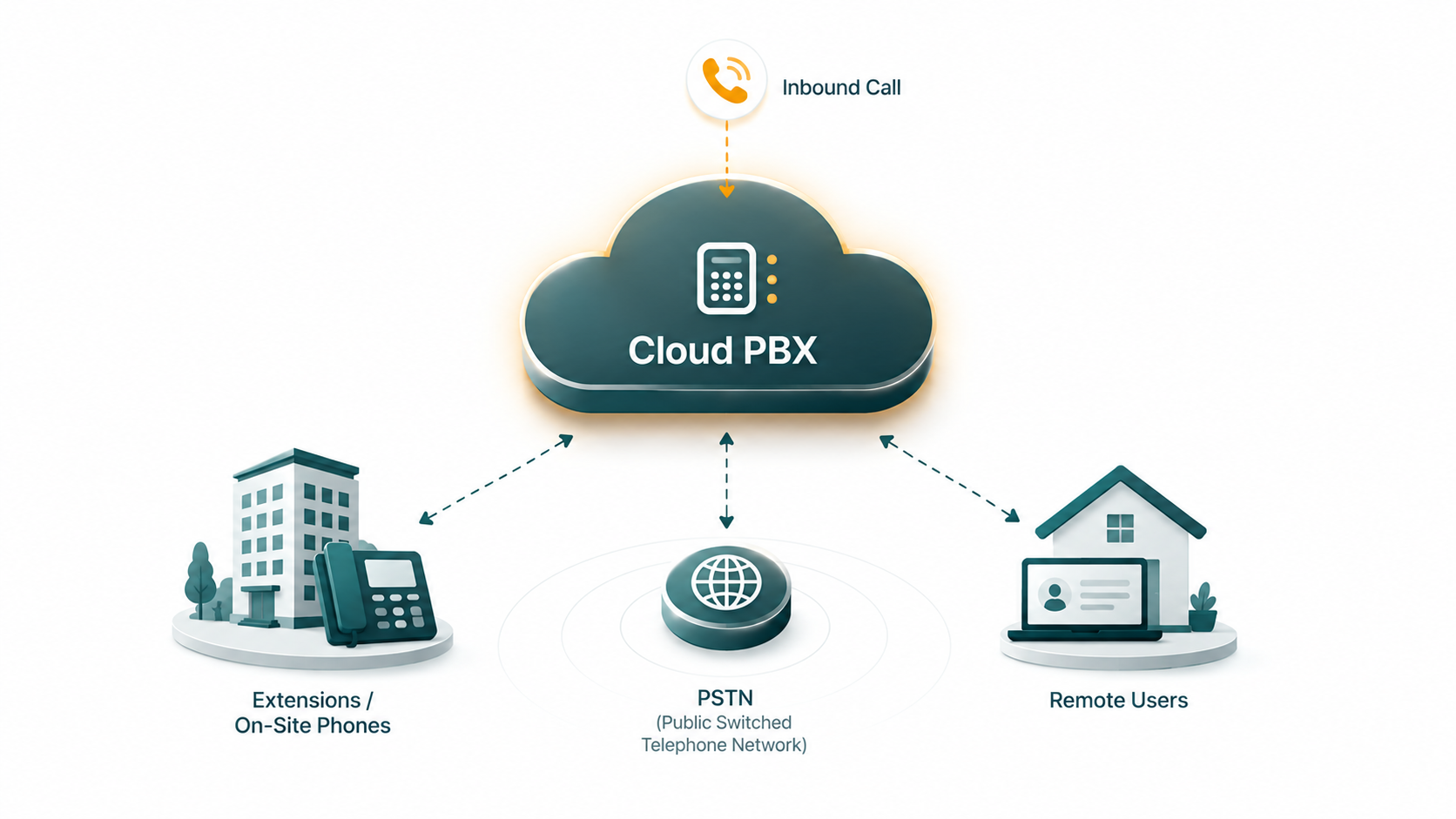
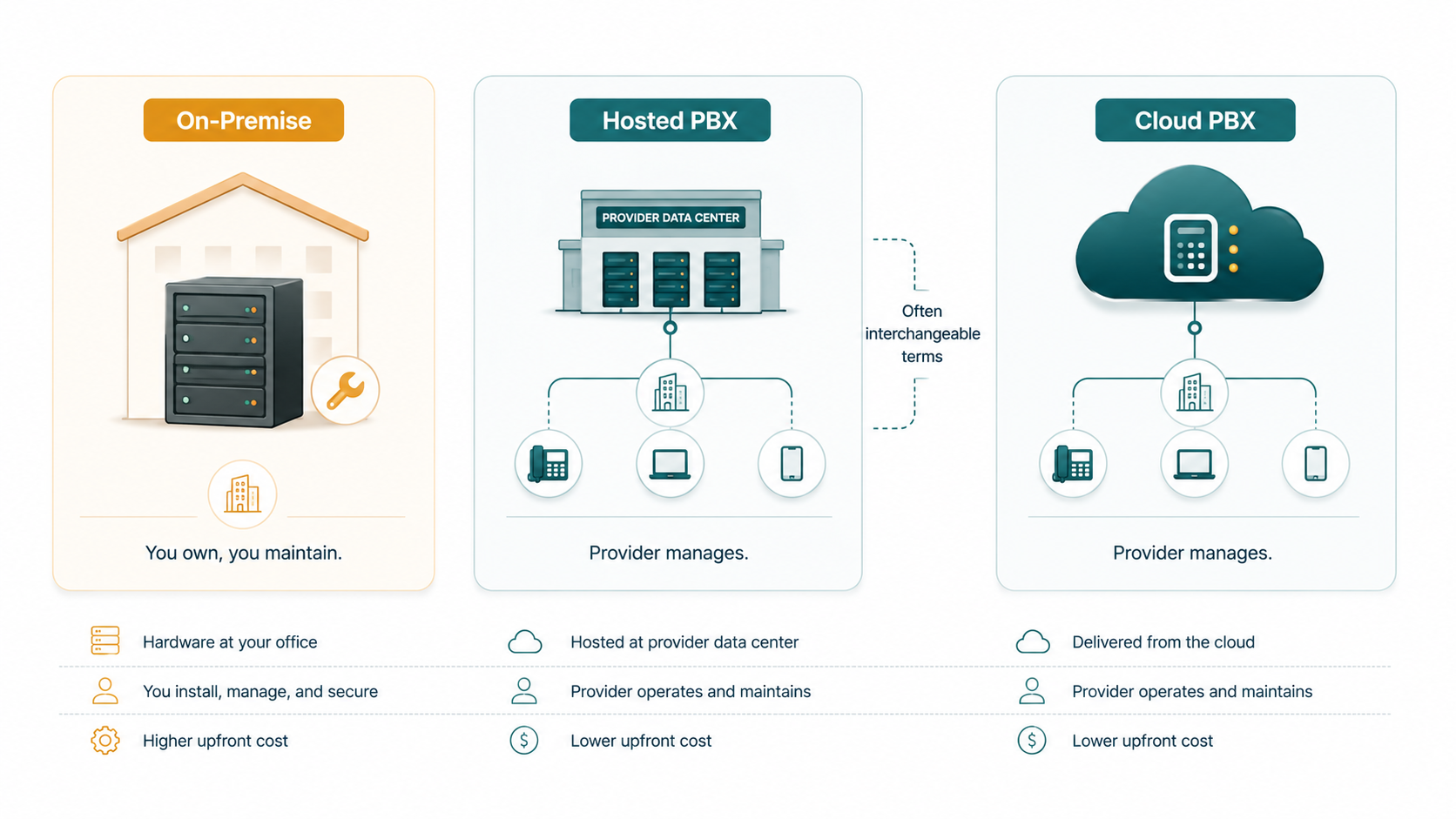
A cloud PBX is a hosted phone system where switching and routing logic runs in the provider's data center, not on hardware at your office. This guide covers how cloud PBX works, how it compares to hosted VoIP and UCaaS, key features, and how to choose a provider.

UCaaS & Business Phone

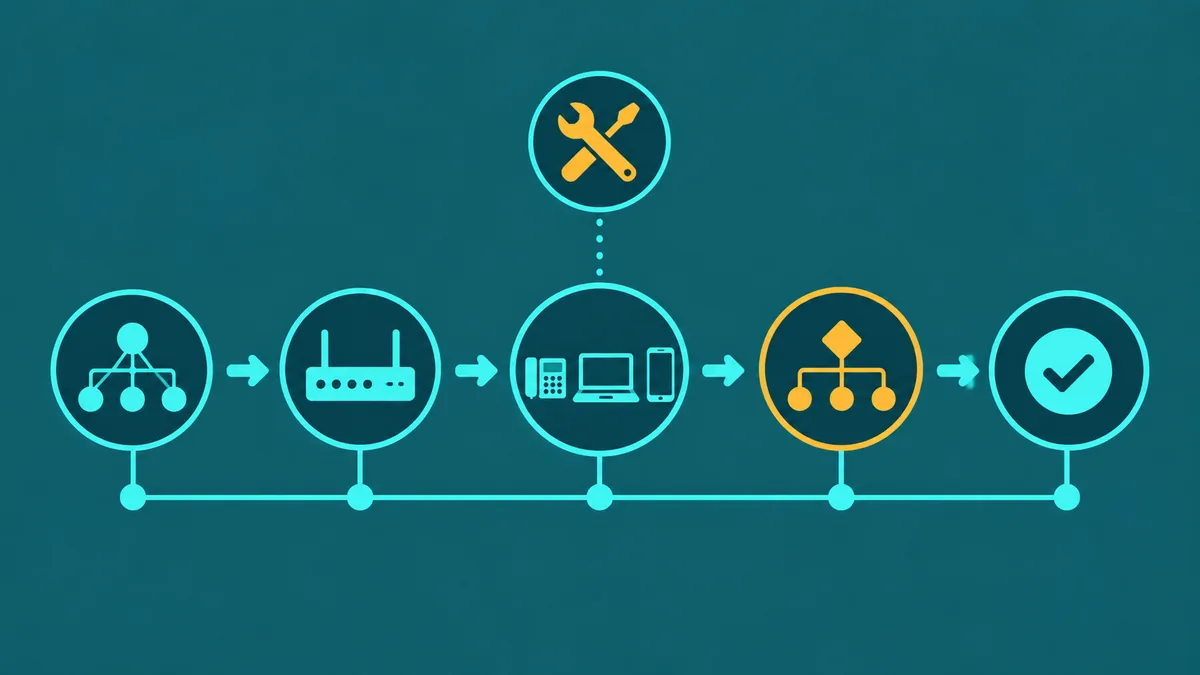
VoIP Installation Services: Complete Guide for Businesses

VoIP installation services cover the end-to-end setup of a business phone system — from network readiness assessment and device provisioning to call flow configuration and staff training. When professional installation is worth the cost, what the step-by-step process looks like, and what to ask vendors.

UCaaS & Business Phone

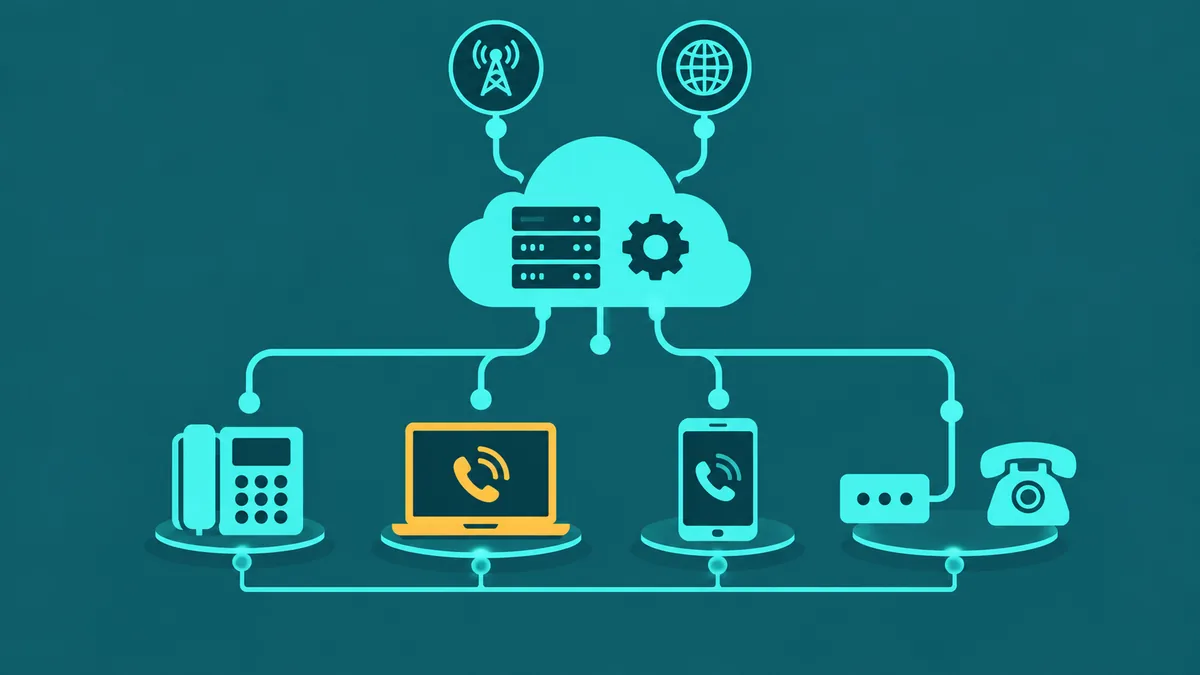
Hosted VoIP: How It Works, Key Features & What to Look For

Hosted VoIP is a phone system where the provider manages all PBX infrastructure in the cloud. No servers to maintain — your business connects via IP phones, softphones, or ATAs. This guide covers how it works, what features matter, and how to choose a hosted VoIP provider.

UCaaS & Business Phone

Business VoIP Houston TX: Complete Guide for Businesses

Business VoIP in Houston gives local companies a hosted phone system with local area codes (713/281/346/832), national calling, and a cloud PBX — without physical phone lines or on-site hardware. What Houston businesses need to know about providers, area code availability, and industry-specific requirements.

UCaaS & Business Phone

What Is a Softphone? Features, Benefits & Best Options for Business

A softphone is software that replicates a desk phone on any device — using VoIP and SIP to place and receive calls over the internet without physical hardware. This guide covers how softphones work, key features to look for, and how to choose the right softphone app for your business.

UCaaS & Business Phone

VoIP Phone System for Small Business: Complete Guide

A VoIP phone system for small business replaces traditional phone lines with internet-based calling — giving teams a full PBX feature set at a fraction of legacy hardware costs. What features small businesses actually need, setup requirements, cost expectations, and questions to ask before choosing a provider.

UCaaS & Business Phone

VoIP for Education: Complete Guide for Schools & Districts

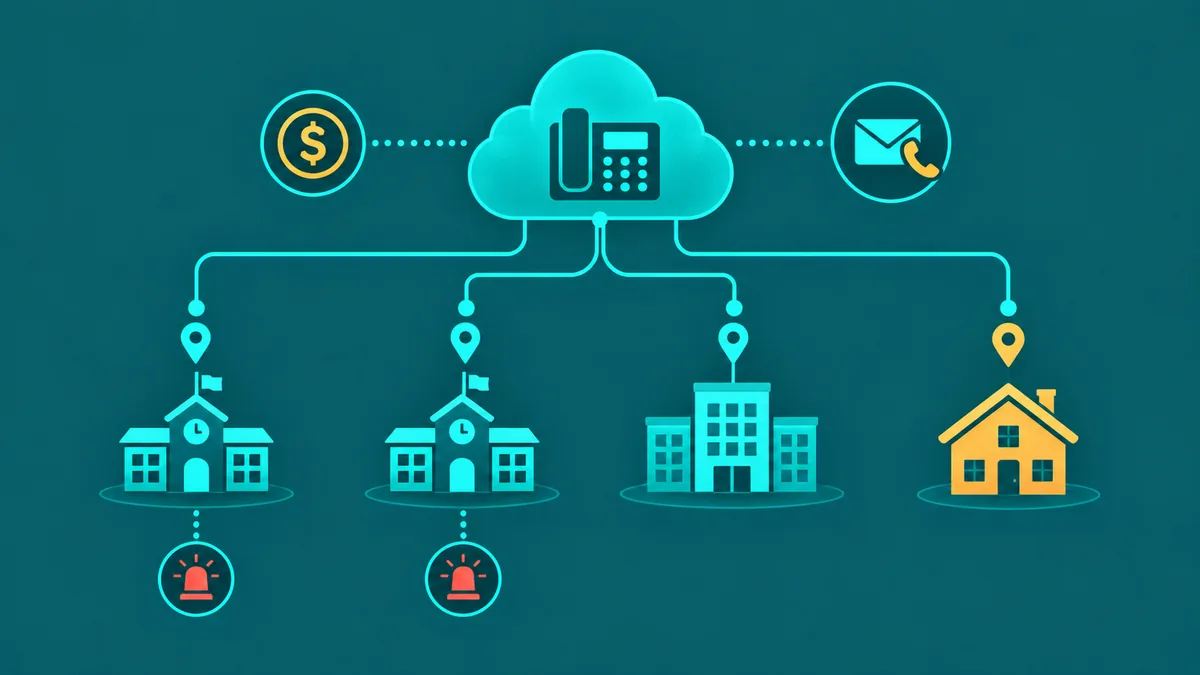
VoIP for education replaces aging school phone systems with cloud calling — delivering E911 per-room compliance, multi-campus connectivity, and parent communication tools at lower cost than legacy PBX hardware. This guide covers use cases, compliance, and E-Rate funding.

UCaaS & Business Phone

Virtual Phone System: What It Is, How It Works & Top Picks

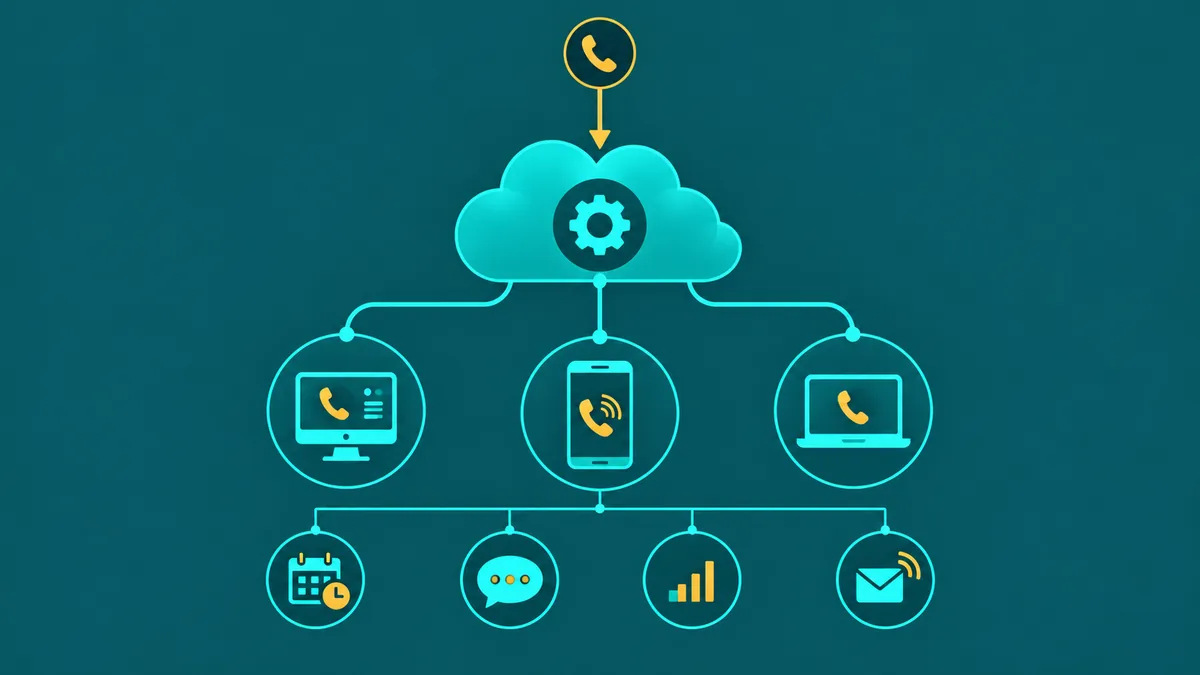
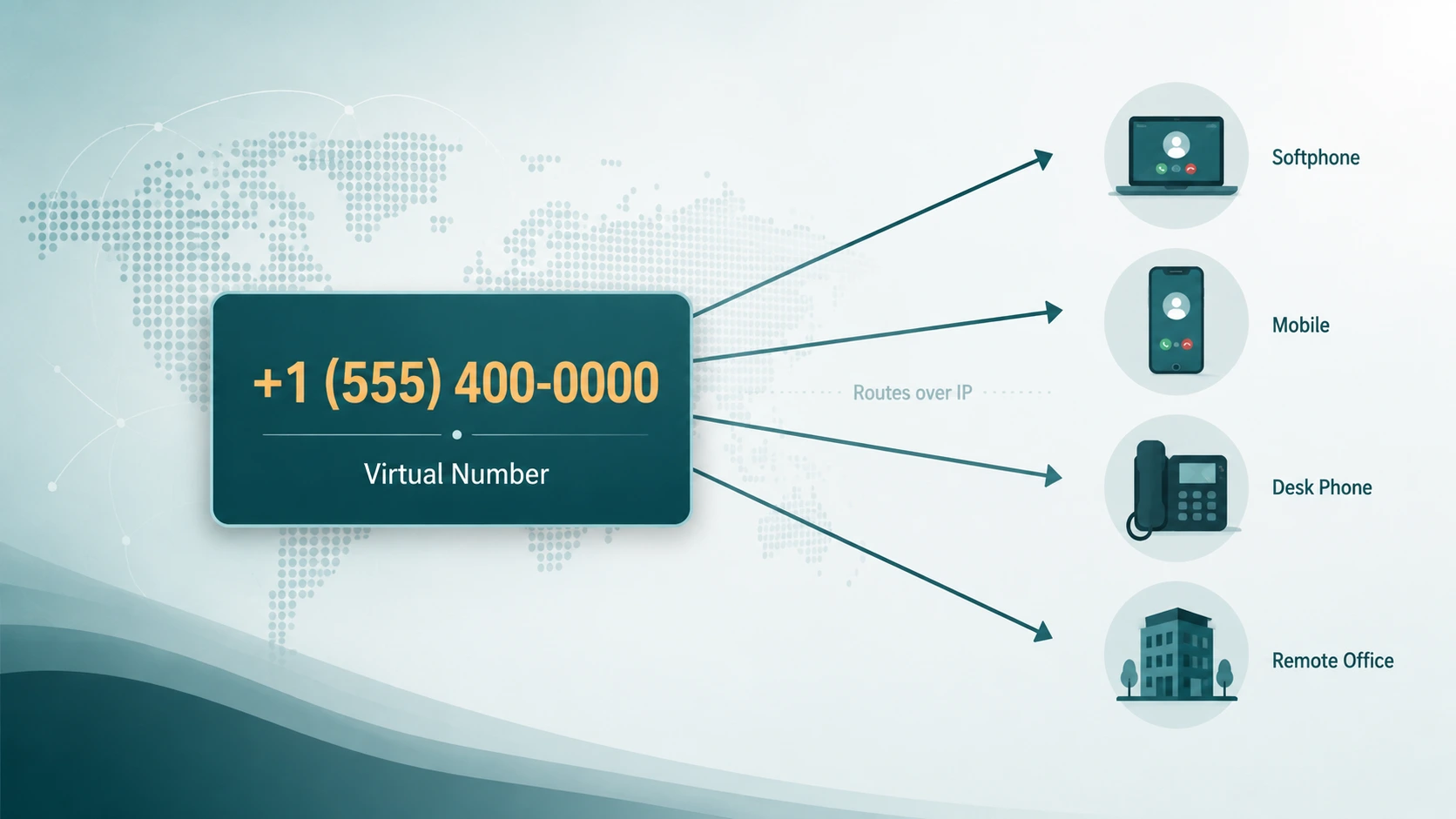
A virtual phone system replaces physical PBX hardware with cloud-hosted calling — giving businesses auto-attendant, extensions, call forwarding, voicemail, SMS, and analytics accessible from any device. This guide explains how it works, what it costs, and who needs one.

UCaaS & Business Phone

IVR Payment Processing: Complete Guide for Businesses

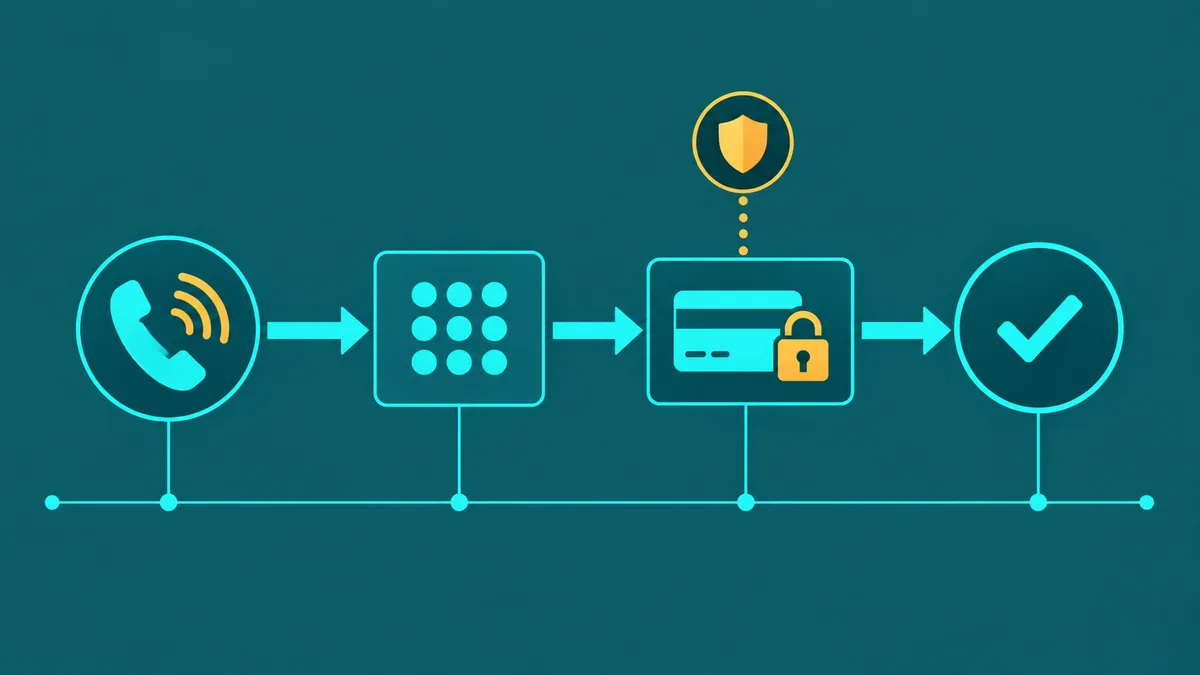
IVR payment processing lets callers pay invoices, utilities, and copays over the phone without speaking to an agent — using DTMF keypad entry routed to a payment gateway. This guide covers how it works, PCI DSS scope, and when it makes sense.

UCaaS & Business Phone

Business VoIP: How It Works, Features, Costs & When to Switch

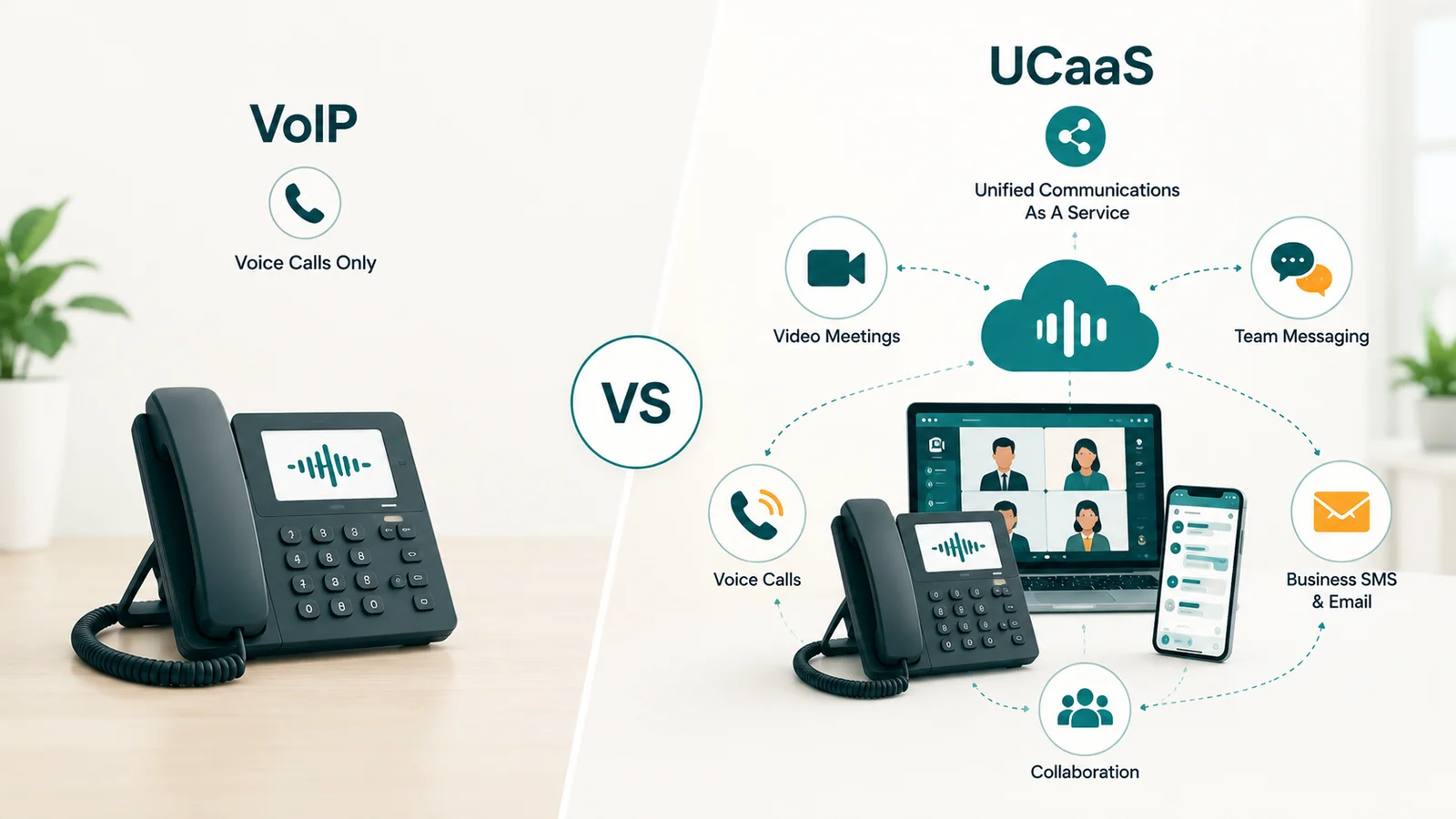
Business VoIP replaces traditional landlines with internet-based calling — delivering lower costs, remote-work flexibility, and enterprise features like IVR, call recording, and analytics without on-site hardware. This guide covers how it works, what it costs fully loaded, and how to evaluate a provider before you switch.

UCaaS & Business Phone

VoIP Phone Service for Business: How It Works, Costs & What to Choose

VoIP phone service routes calls over the internet instead of copper lines — cutting costs, enabling remote work, and adding features like IVR, SMS, and analytics that traditional landlines cannot match. This guide covers how it works, what it costs in full, and what to evaluate before choosing a provider.

UCaaS & Business Phone

One-Way Audio in VoIP: Causes and Fixes

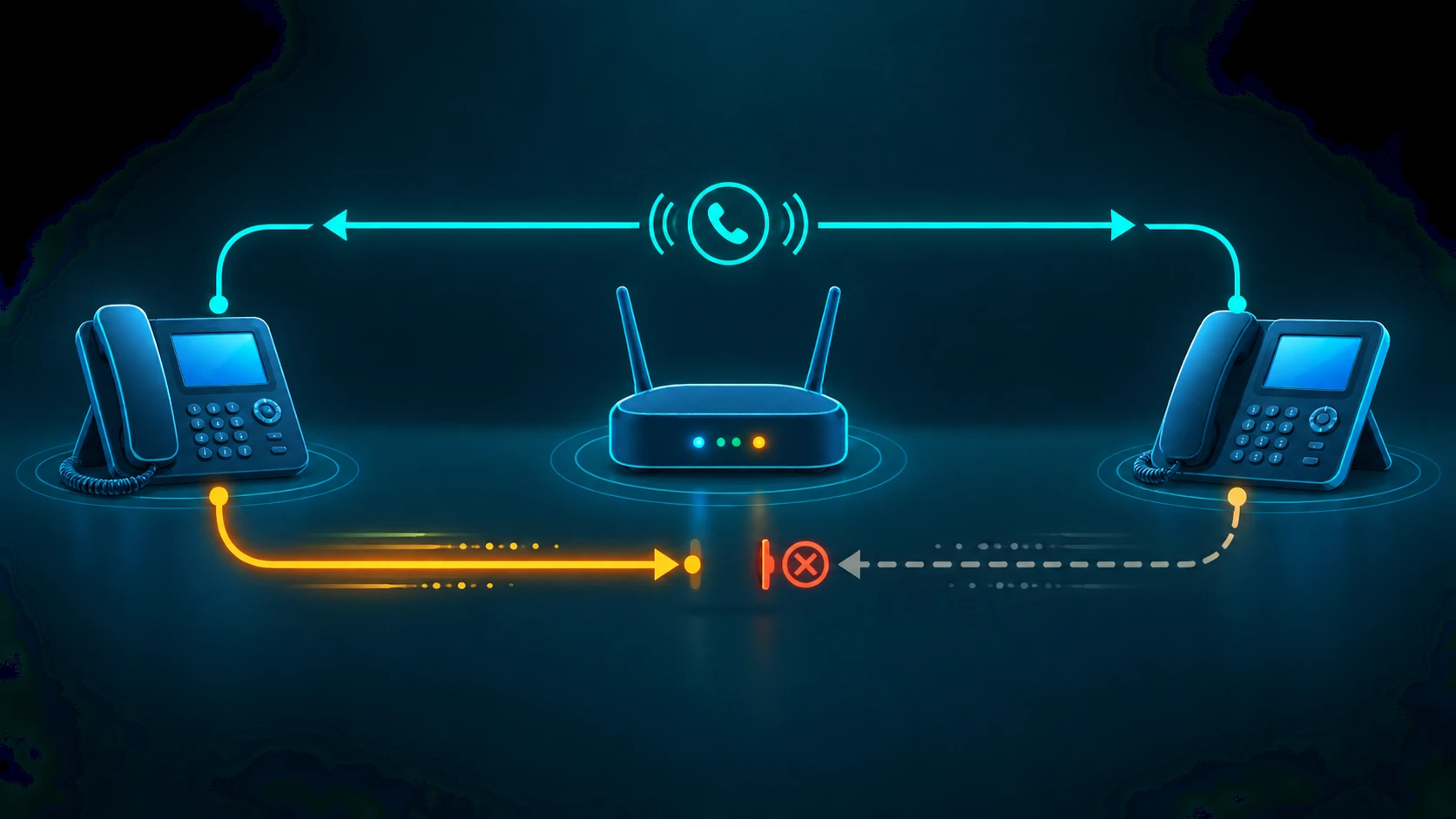
One-way audio in VoIP means RTP flows in only one direction. The most common cause is NAT traversal failure — a private IP embedded in SDP that the far end cannot reach. How to diagnose and fix it.

UCaaS & Business Phone

VoIP Codec Mismatch: Symptoms, Causes, and Fixes

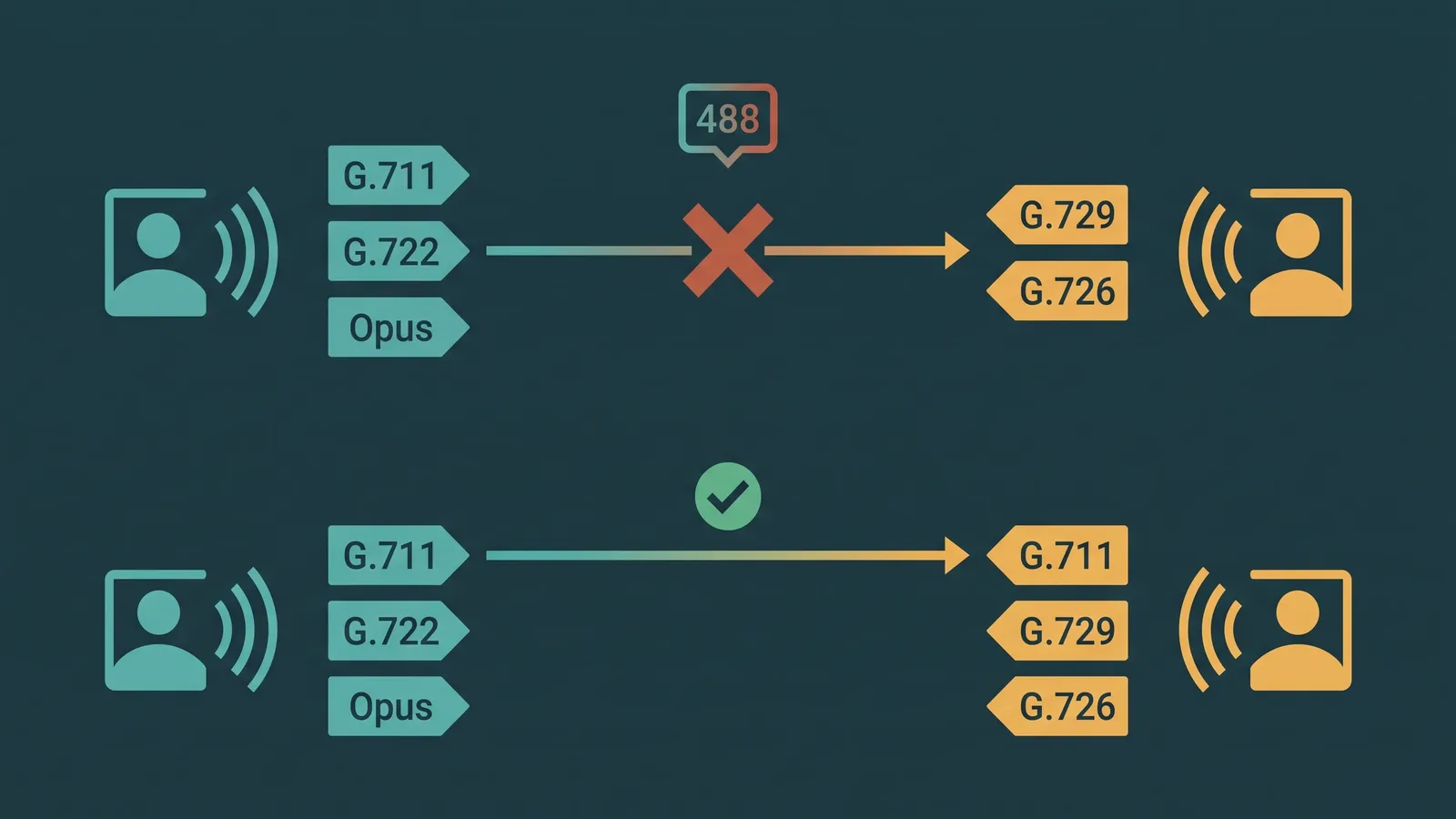
A codec mismatch happens when two endpoints cannot agree on a common audio codec during SDP negotiation, resulting in failed calls, silence, or degraded quality. This guide explains how SDP offer/answer works, what causes mismatches, and how transcoding affects call quality.

UCaaS & Business Phone

What Is a Jitter Buffer in VoIP?

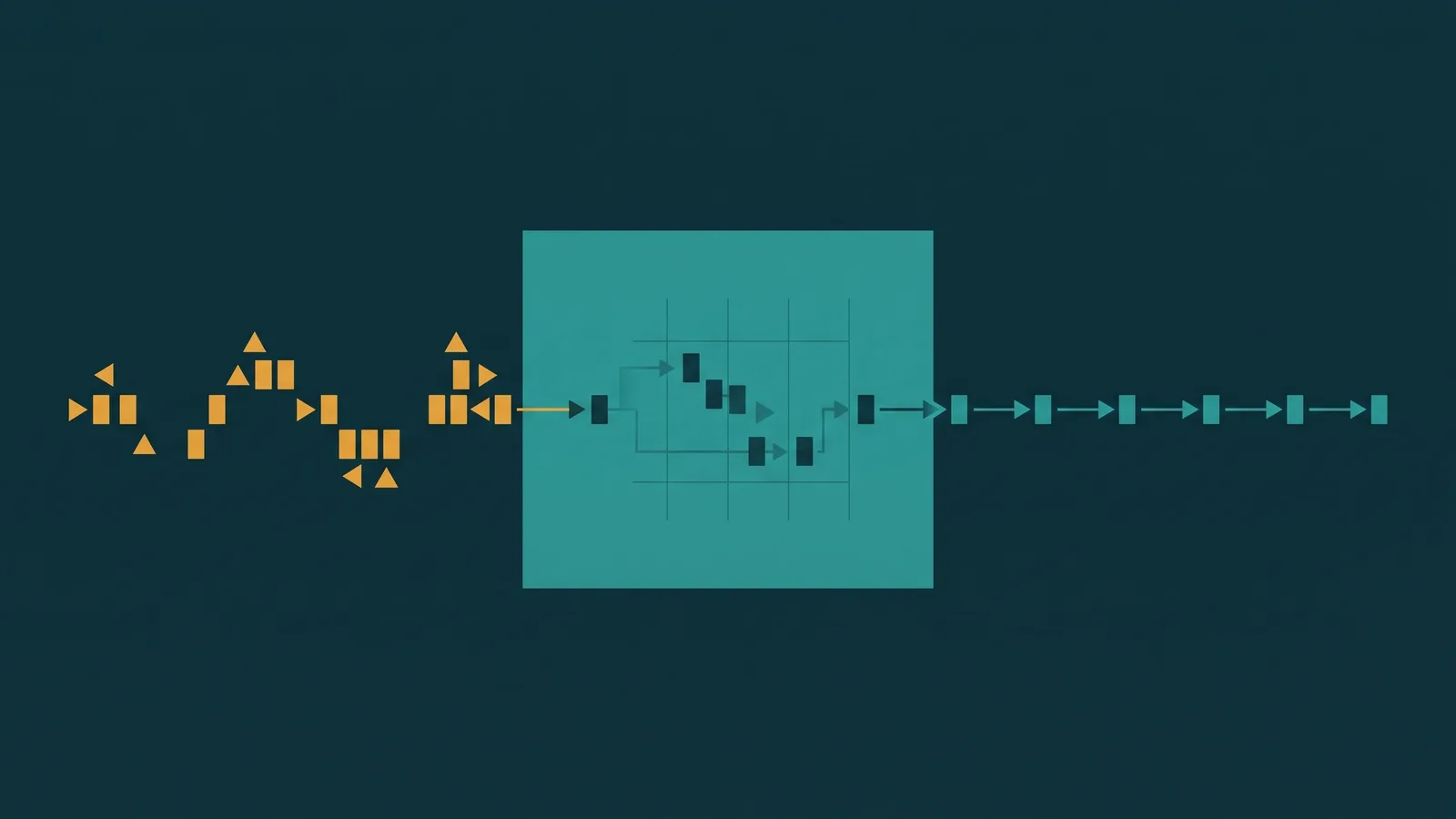
A jitter buffer temporarily holds incoming voice packets to smooth out network timing variations before playback. This guide explains how fixed and adaptive jitter buffers work, the latency-versus-smoothness trade-off, when late packets are discarded, and how to tune buffer settings without making audio worse.

UCaaS & Business Phone

What Is Call Forwarding?

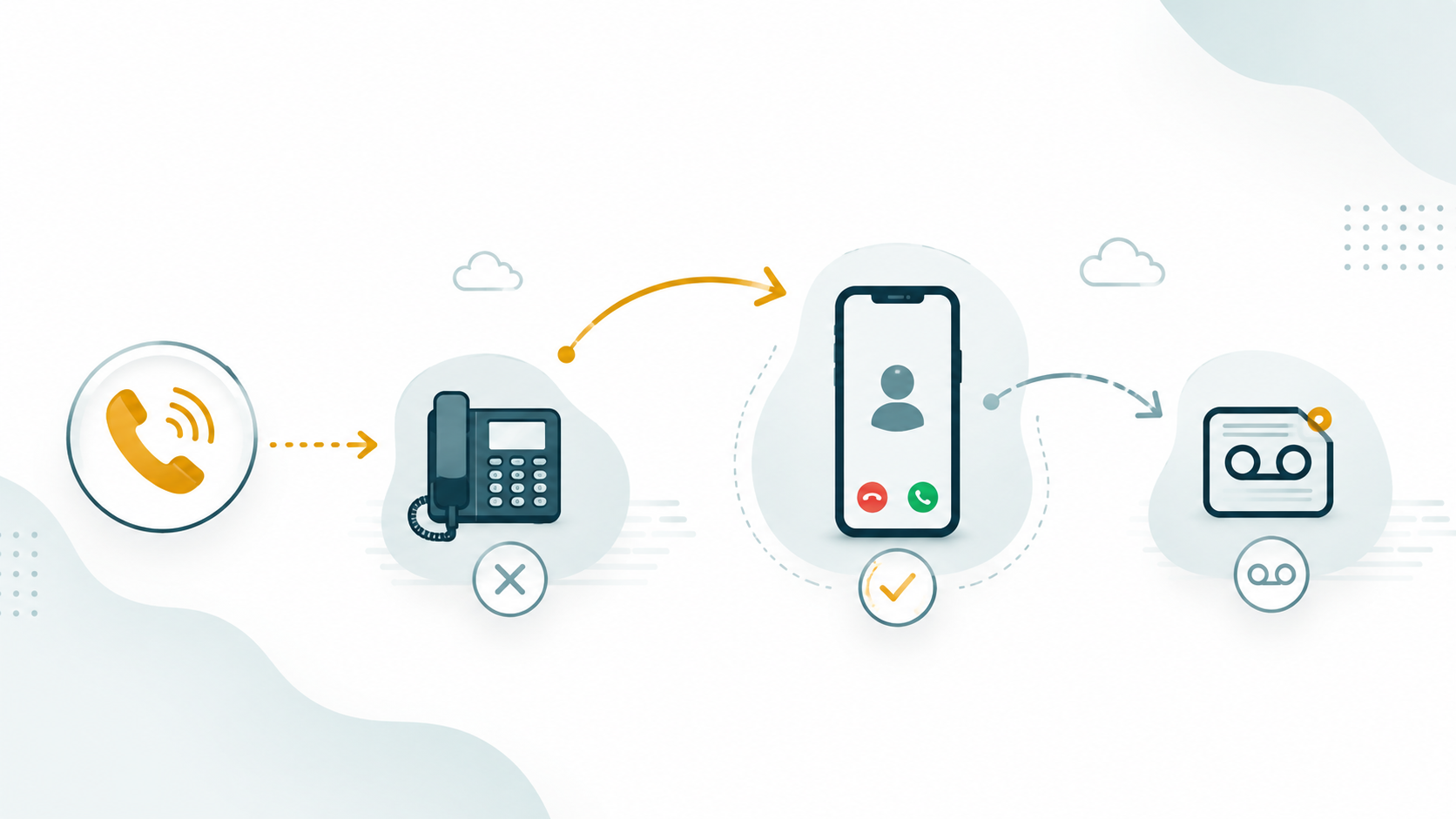
Call forwarding redirects incoming calls to another number, user, queue, or voicemail. How the forwarding types work and when to use each.

UCaaS & Business Phone

What Is Business Voicemail?

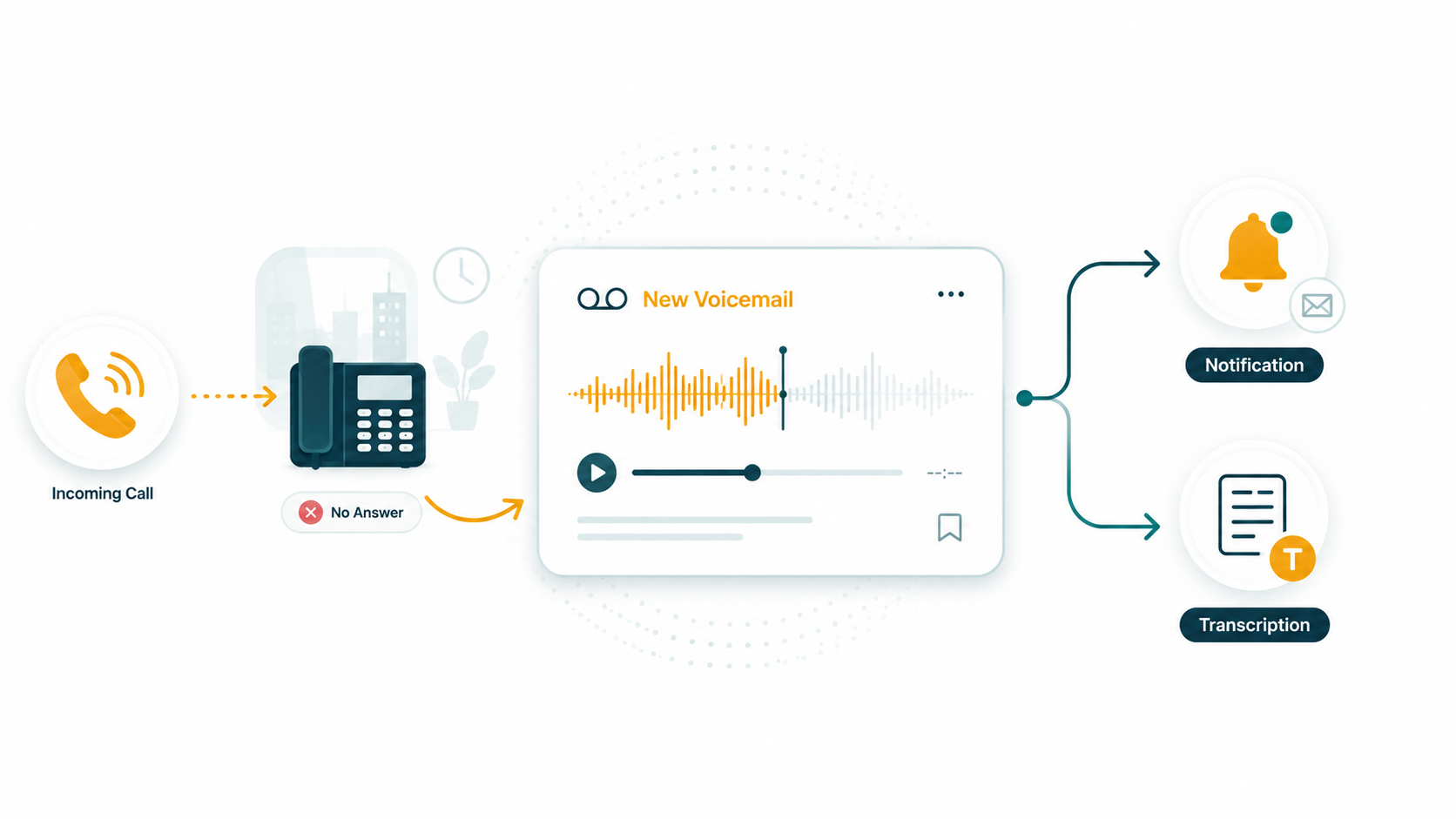
Business voicemail captures caller messages when no one answers and delivers them via playback, notification, or transcript. How it works.

CCaaS & Contact Center

CCaaS & Contact Center

Omnichannel Routing: How to Assign Voice, Chat, SMS, and Social Conversations

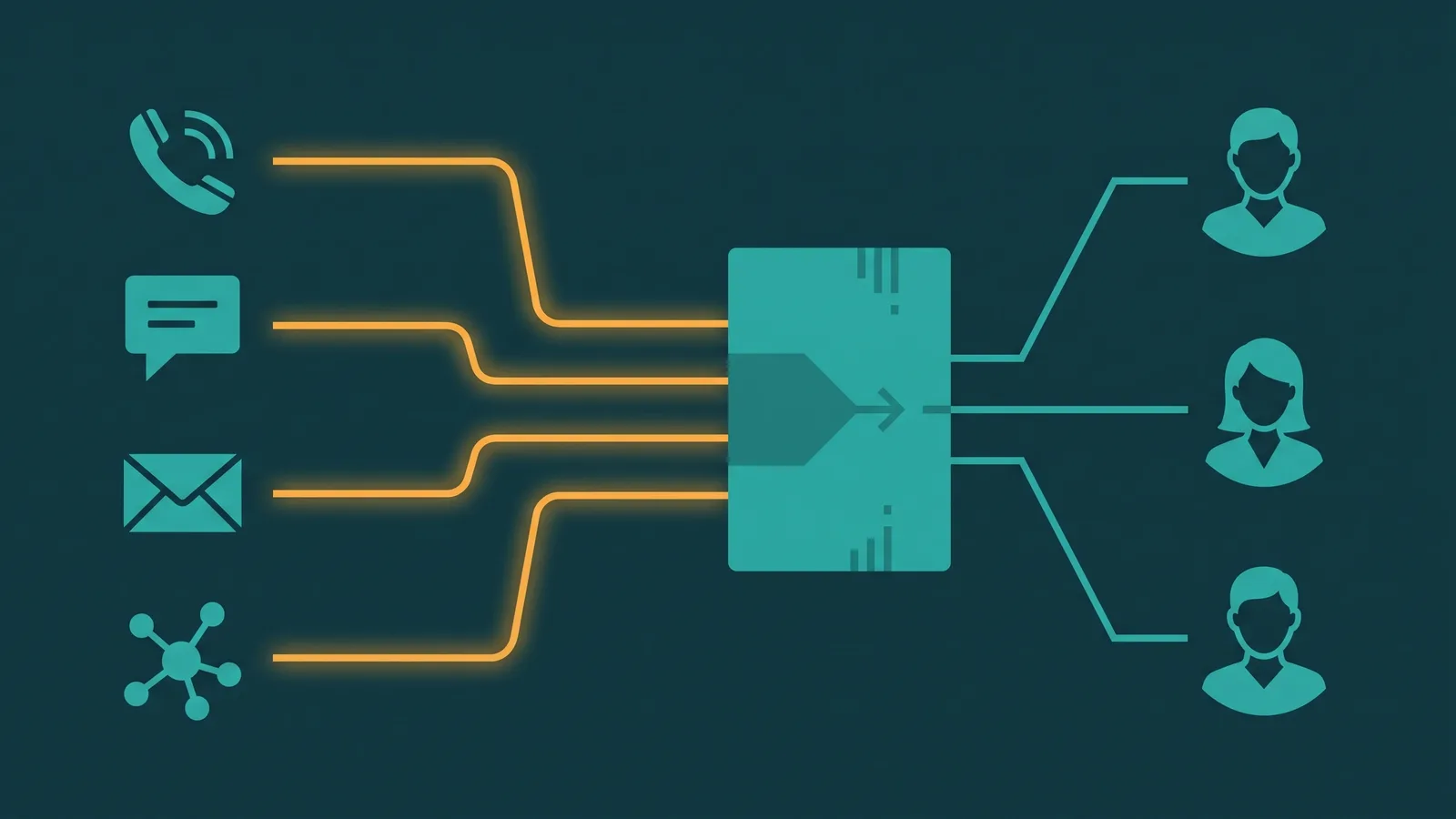
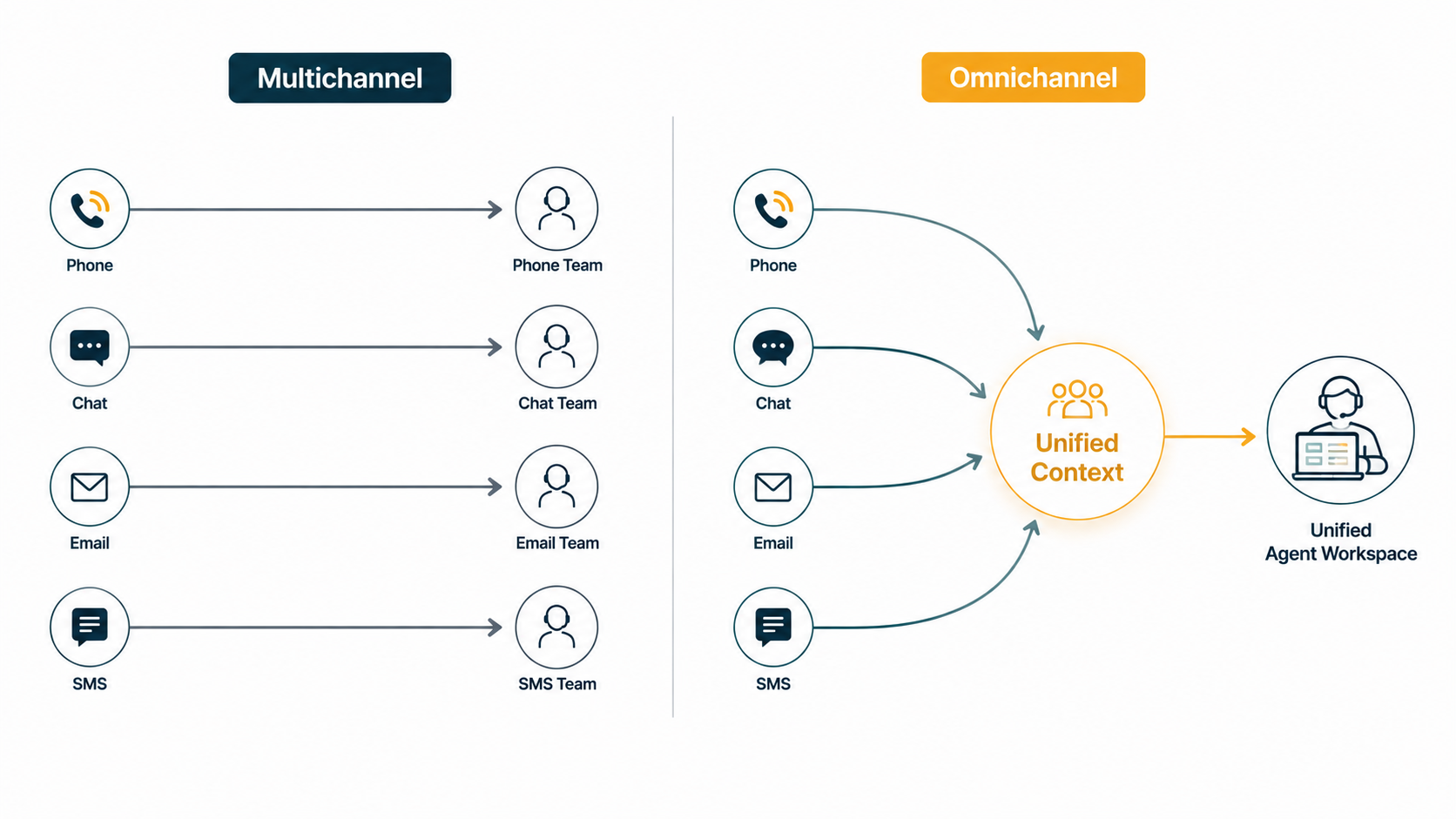
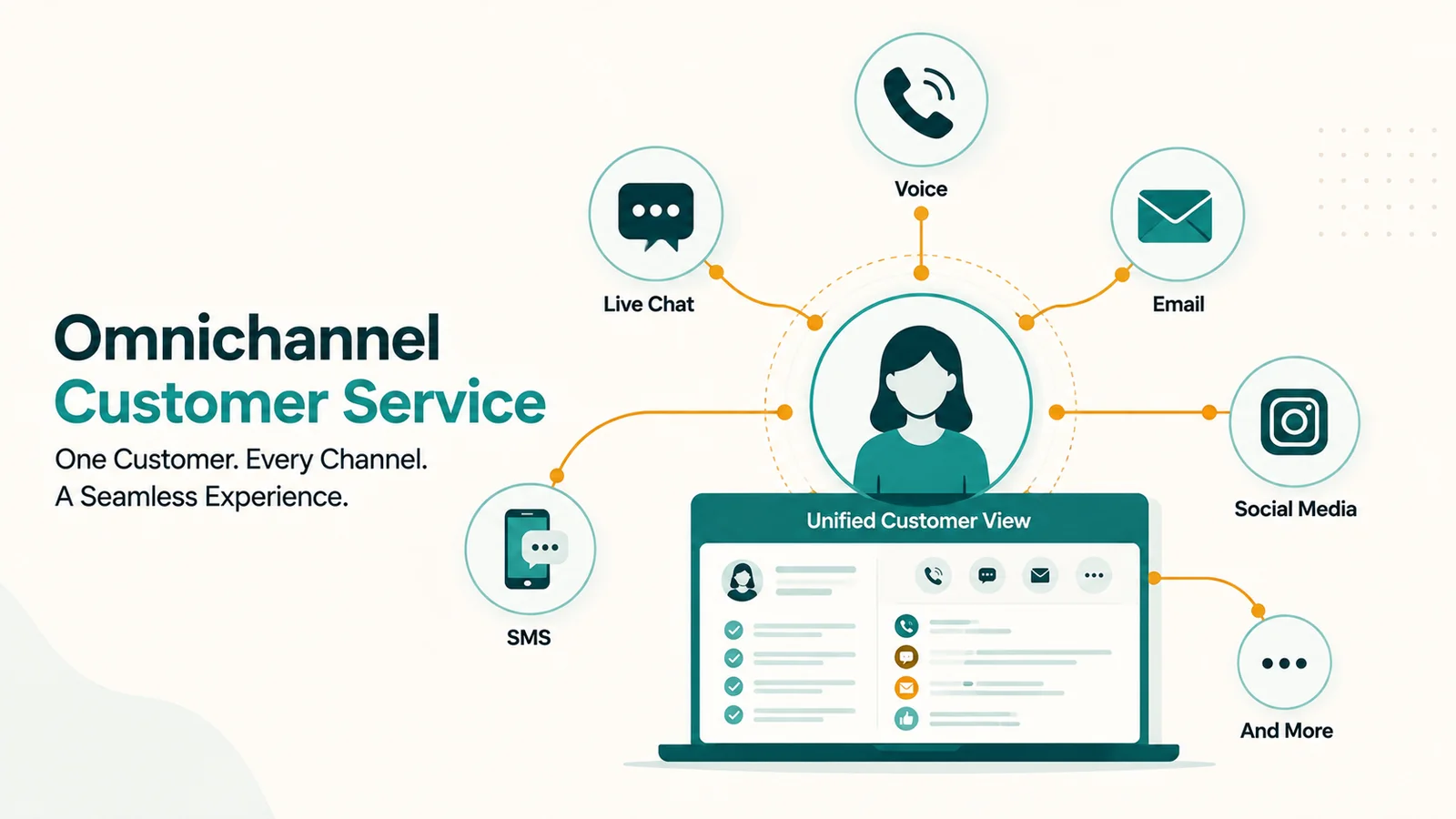
Omnichannel routing assigns customer interactions across every channel — voice, chat, SMS, email, and social — to the right agent based on skills, priority, load, and customer history. This guide explains how unified routing engines work, how concurrency differs across channels, and what to configure for consistent service levels.

CCaaS & Contact Center

SMS Character Limits, Encoding, and Message Segments Explained

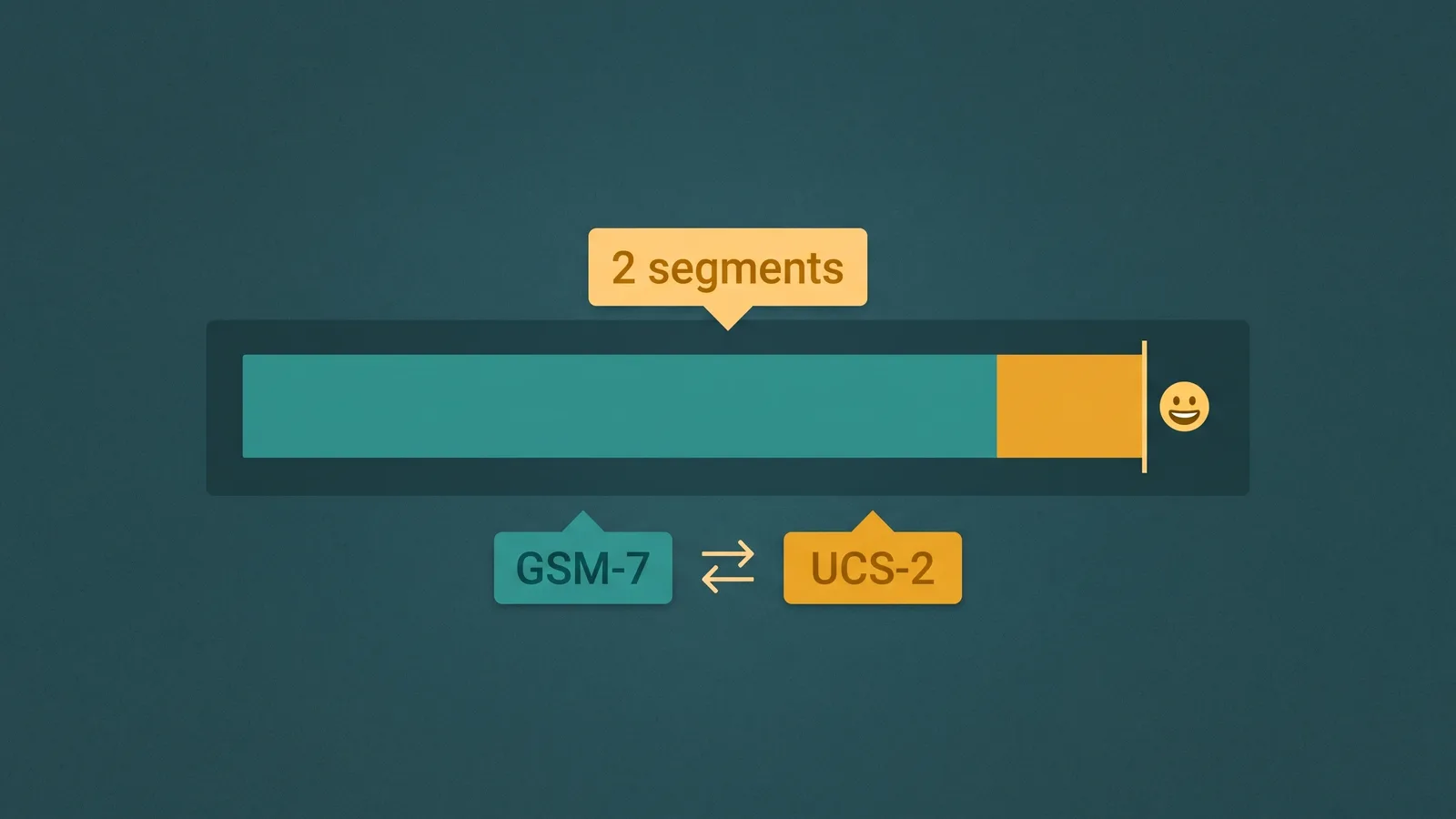
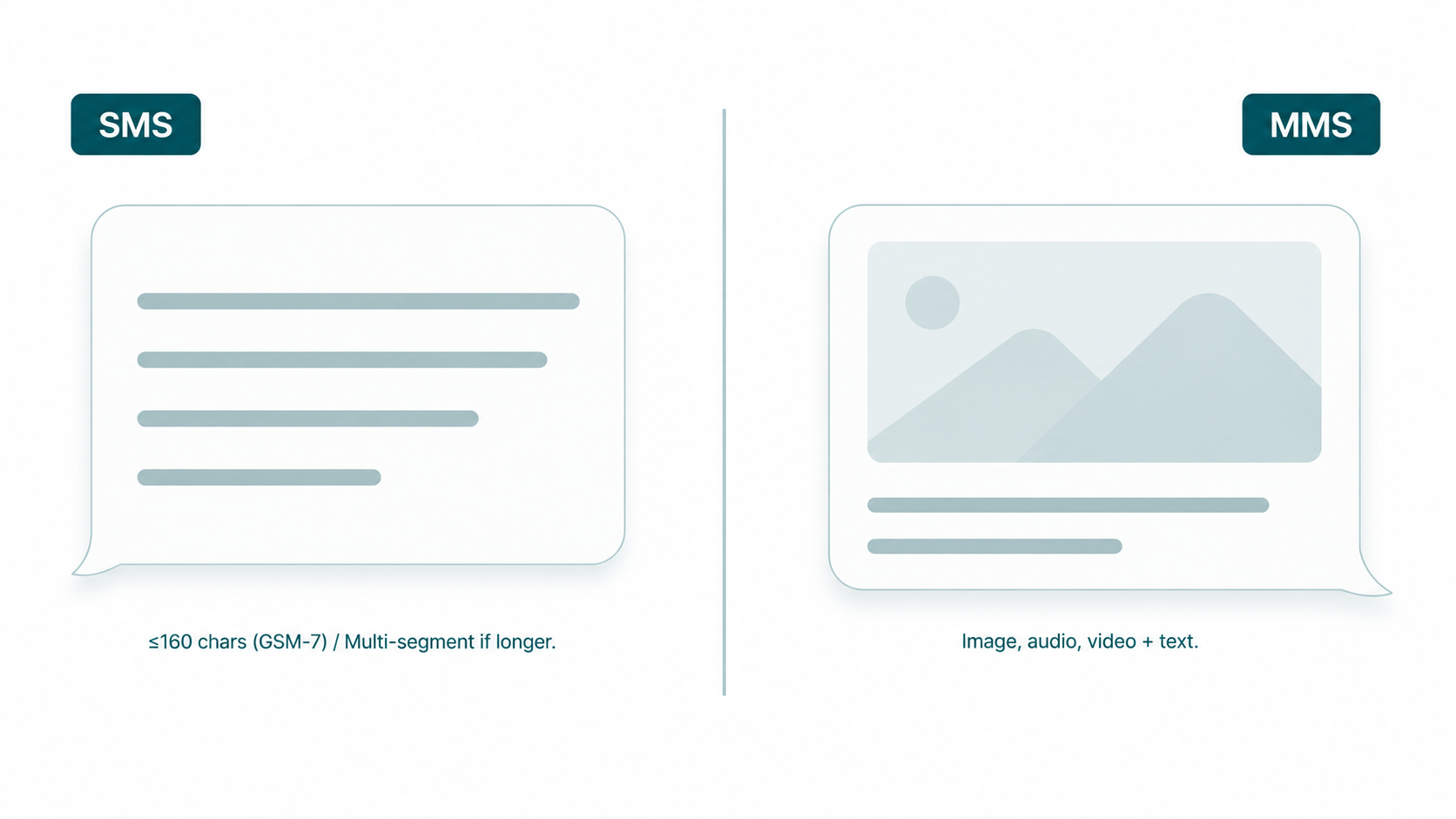
A single emoji or unsupported character can change an SMS from one 160-character segment to two UCS-2 segments of 67 characters each — doubling your cost. This guide explains GSM-7, UCS-2, concatenation headers, segment counting, and how encoding decisions affect deliverability and billing.

CCaaS & Contact Center

What Is After-Call Work in a Contact Center?

After-call work (ACW) is the time an agent spends on tasks immediately after a call ends — notes, disposition codes, CRM updates, and follow-up actions — before becoming available for the next call. How it works, how it is measured, and how to reduce excessive wrap time.

CCaaS & Contact Center

Call Center QA Calibration: How to Score Calls Consistently

QA calibration aligns reviewers on how to score identical calls — so scores measure agent performance rather than evaluator subjectivity. How to run a calibration session, handle disagreements, set tolerance thresholds, and maintain scoring consistency over time.

CCaaS & Contact Center

How to Build a Call Center QA Scorecard

A QA scorecard defines the criteria evaluators use to assess every call — what behaviors matter, how they are weighted, and which items are auto-fail. How to design sections, assign weights, write observable criteria, and build in compliance gates.
CCaaS & Contact Center

Call Monitoring vs Call Recording: What Each One Does

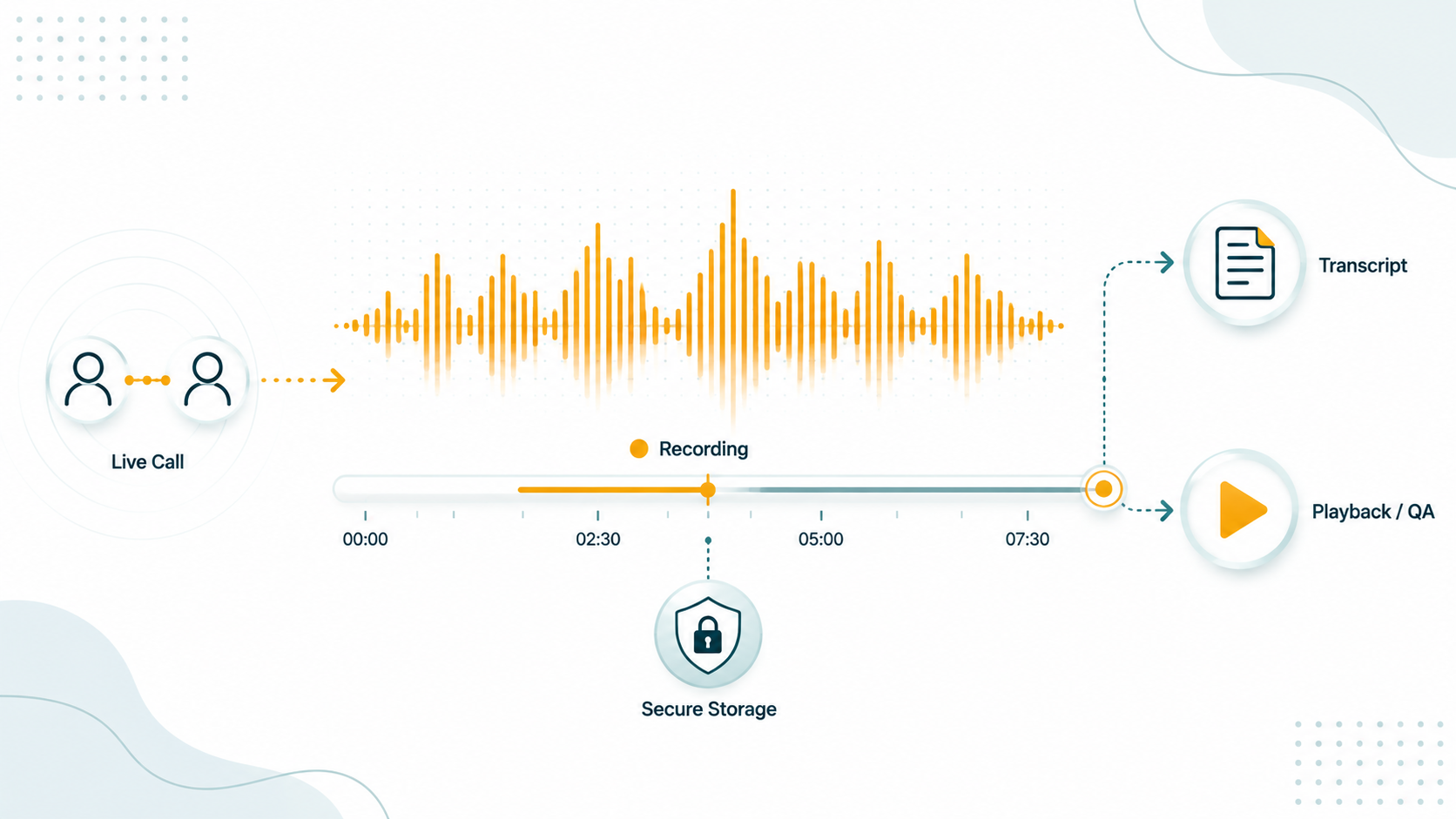
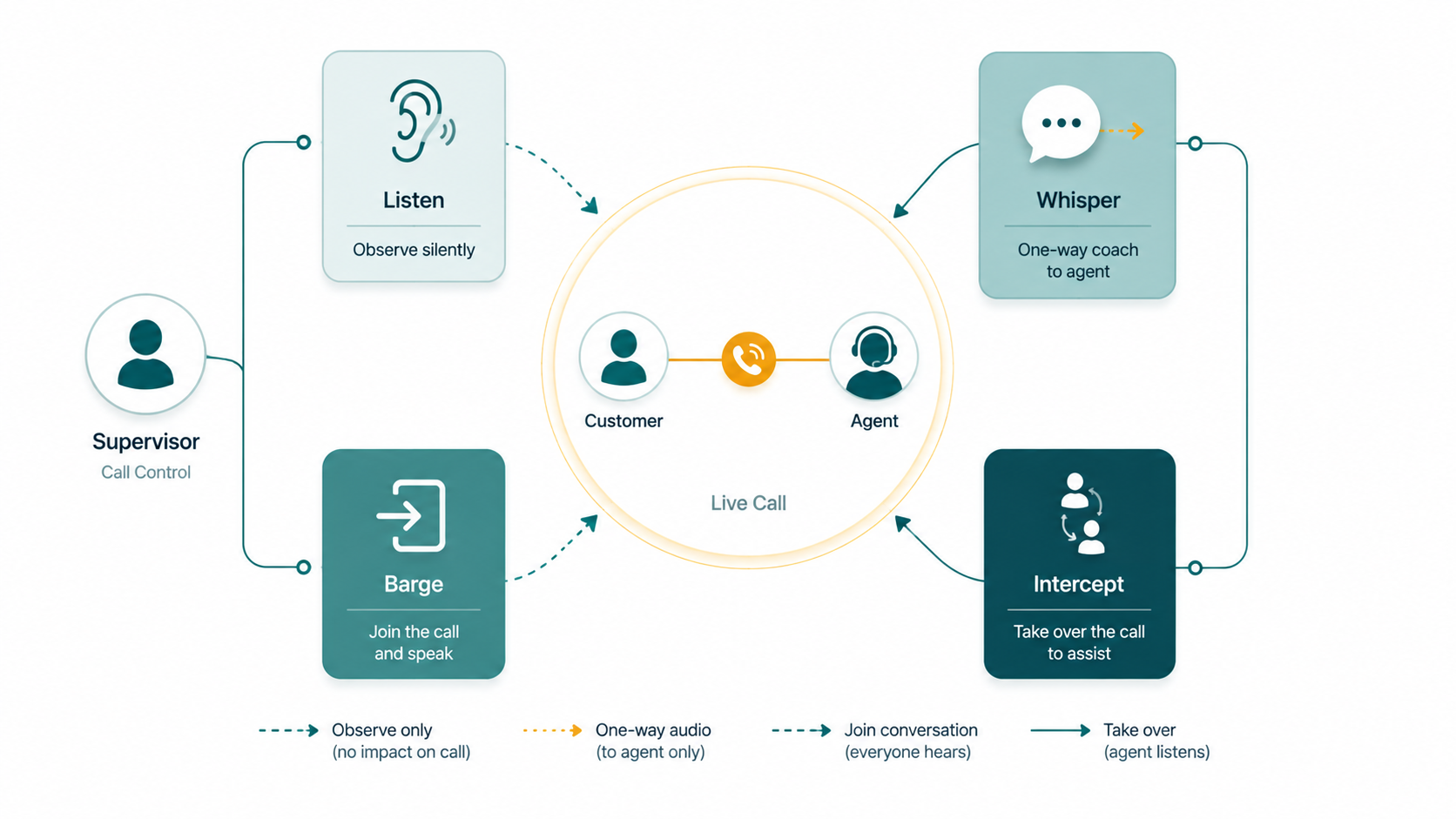
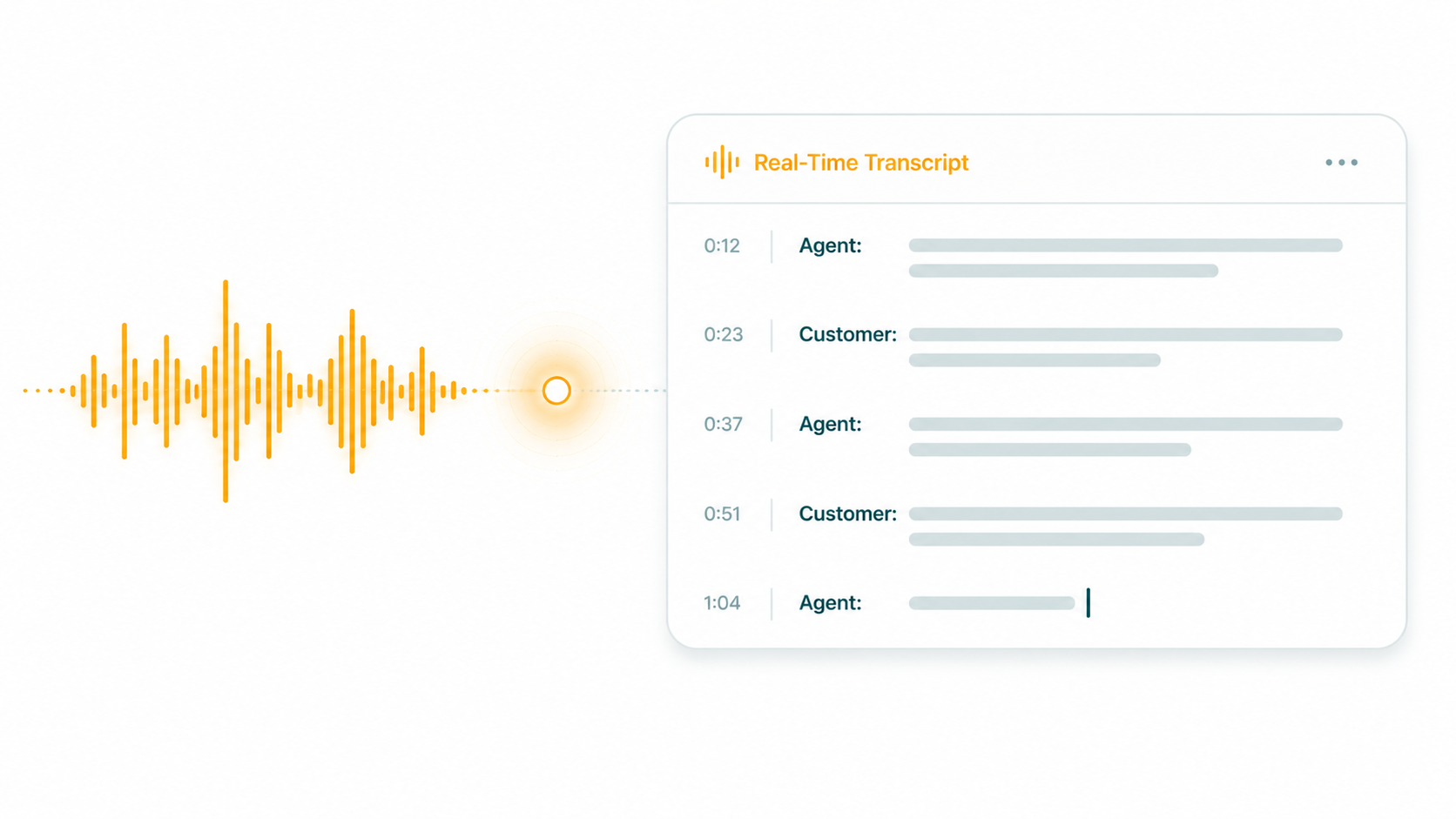
Call monitoring is a supervisor listening to calls in real time. Call recording captures audio for retrospective review. They serve different purposes, have different consent requirements, and are used at different points in the QA process. How each works and when to use which.
CCaaS & Contact Center

Agent Occupancy in a Contact Center: How to Calculate It

Agent occupancy is the percentage of time agents spend handling contacts versus being idle while available. How to calculate it, what the trade-offs are at different occupancy levels, and why chasing very high occupancy leads to burnout and service level collapse.

CCaaS & Contact Center

Call Center Shrinkage: Formula, Causes, and Planning

Shrinkage is the percentage of paid time that agents are unavailable to handle contacts — covering breaks, training, meetings, absence, and system downtime. How to calculate it, what a typical range looks like, and how to use it to plan the right number of agents on the floor.

CCaaS & Contact Center

Service Level vs Average Speed of Answer: Key Differences

Service level and average speed of answer both measure how quickly callers reach an agent — but they measure different things and lead to different staffing decisions. Service level is a threshold-based percentage; ASA is a mean. Why the distinction matters and when to use each.

CCaaS & Contact Center

First Contact Resolution vs Repeat Contact Rate

FCR and repeat contact rate both measure whether customers get resolved on the first interaction — but they measure it from different directions and can diverge badly when measurement windows, channel switching, or agent behavior create gaps between what the metrics report and what customers actually experience.

CCaaS & Contact Center

What Is IVR Containment Rate and How Should You Measure It?

IVR containment rate measures the percentage of callers who complete their task in the IVR without transferring to an agent. But containment is not always a success — hang-ups, authentication failures, and forced deflection all inflate the number. How to measure it accurately and what it actually tells you.

CCaaS & Contact Center

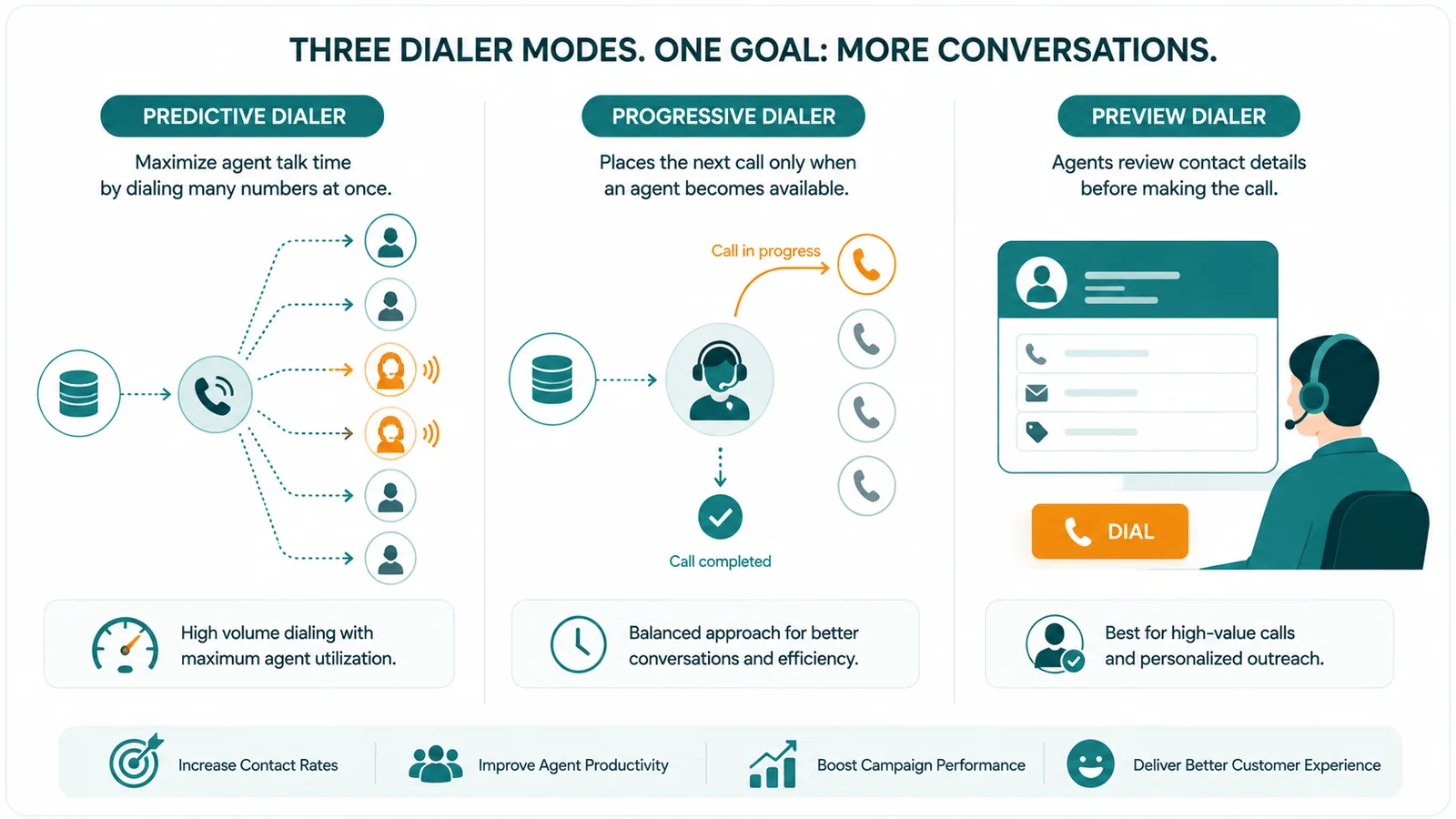
What Is a Power Dialer?

A power dialer auto-dials the next contact when an agent finishes a call, without predictive risk. How it works, comparisons, and when to use it.

CCaaS & Contact Center

Business SMS: A Complete Guide

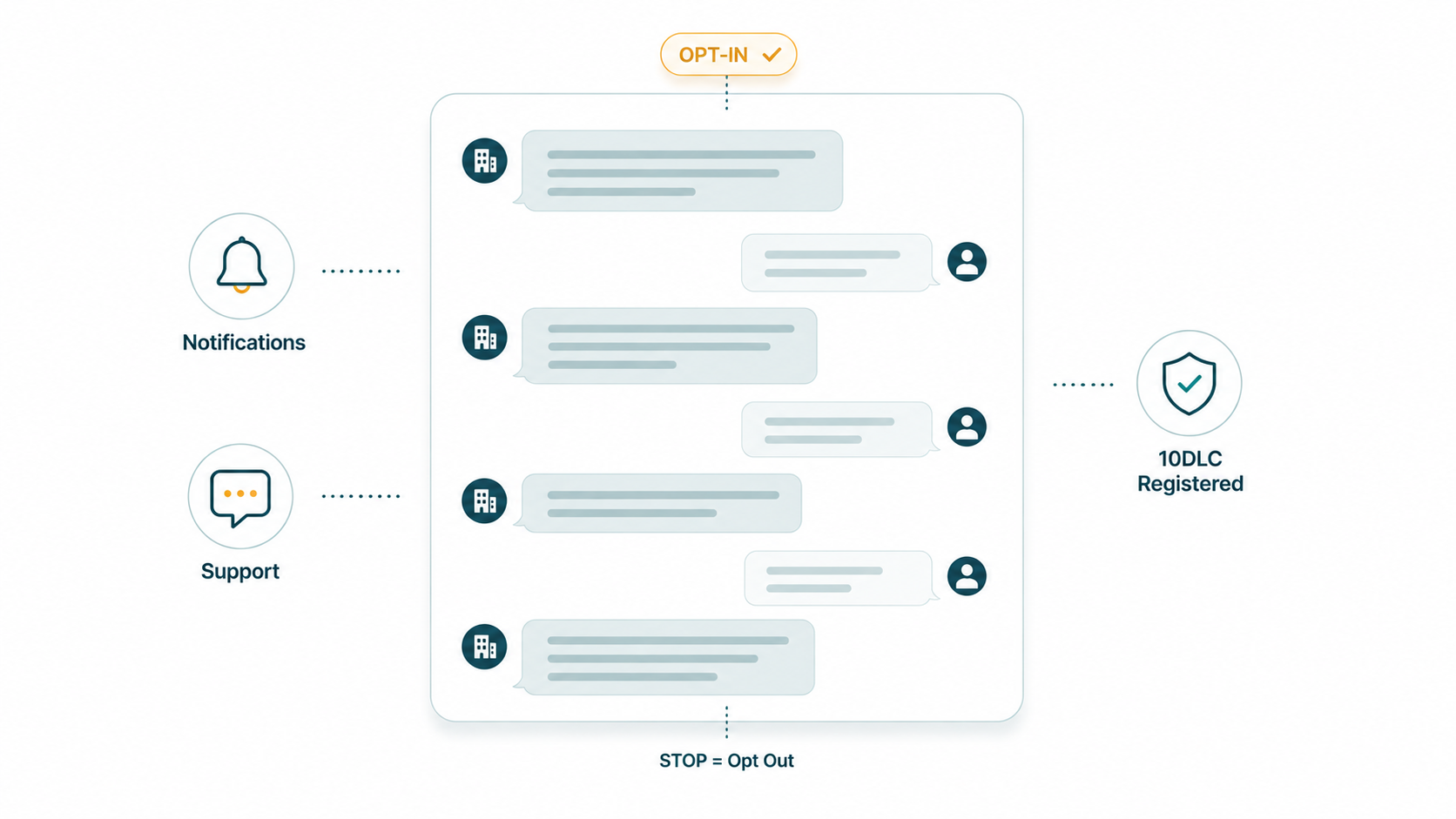
Business texting has its own rules: TCPA consent, FCC regulations, and 10DLC registration. A guide to use cases, opt-in mechanics, and compliance.

CCaaS & Contact Center

What Is a Call Disposition?

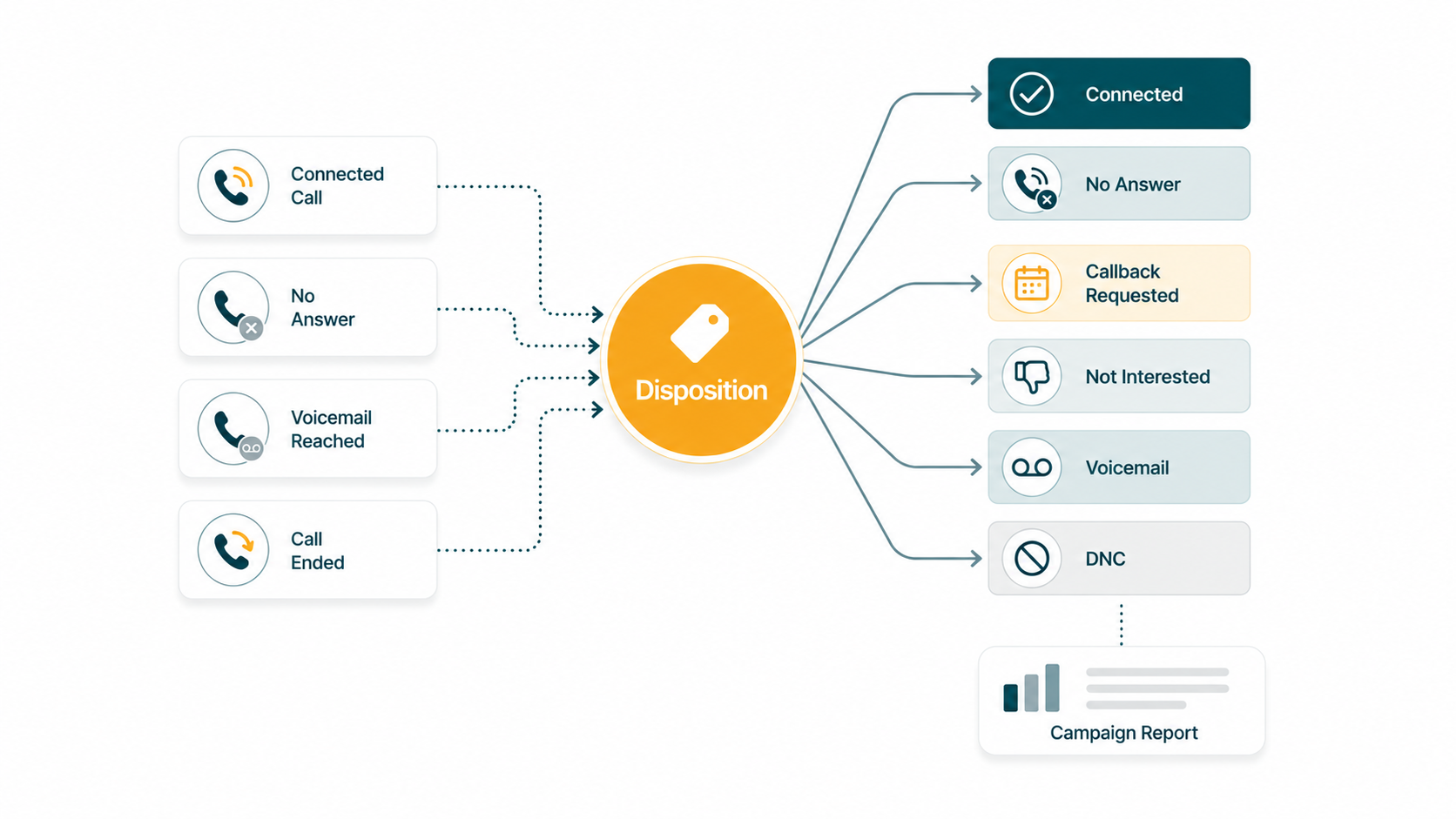
A call disposition is a label classifying a call's outcome, like Connected or No Answer. How they're assigned and why they matter for reporting and lists.

CCaaS & Contact Center

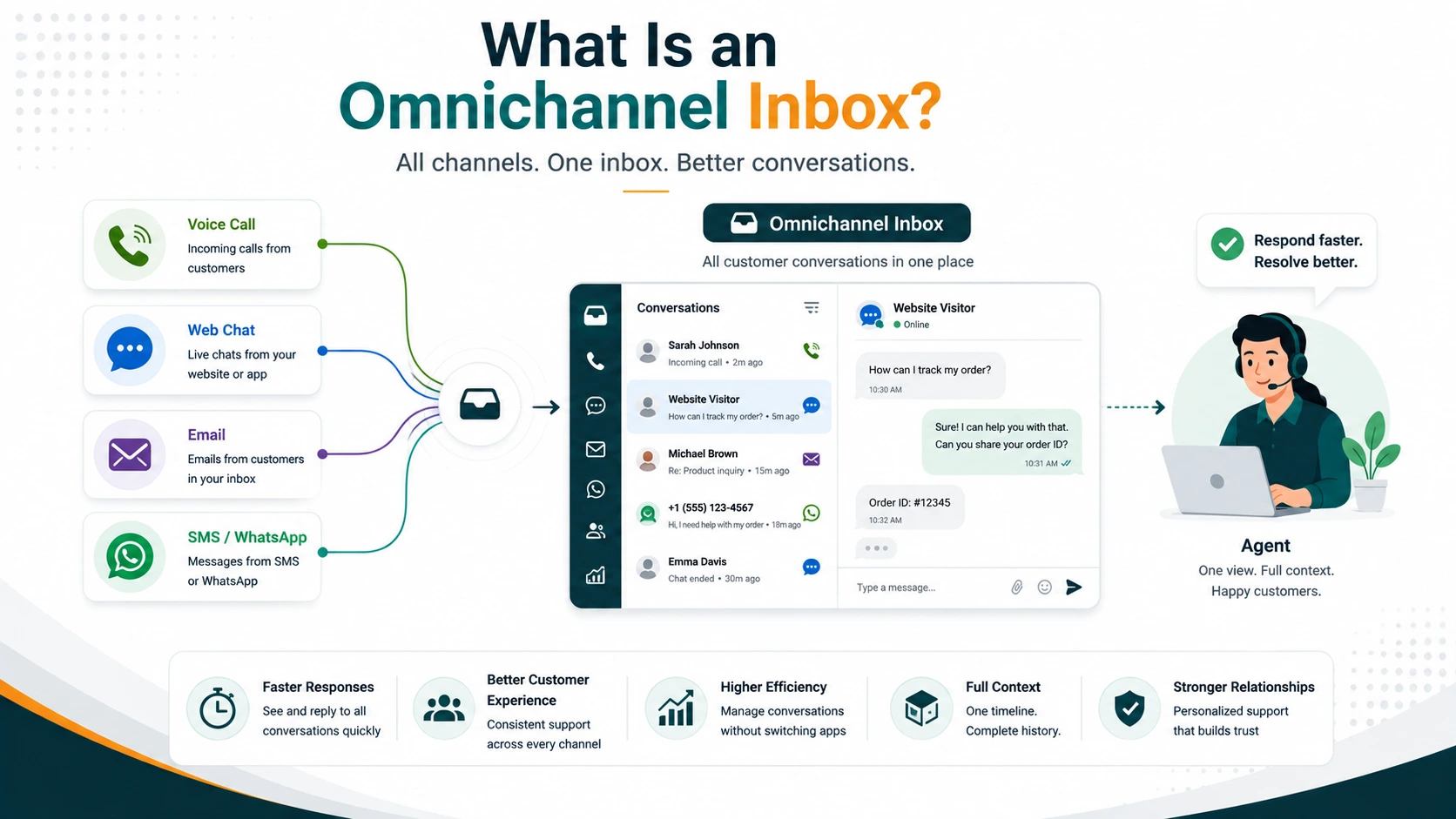
What Is an Omnichannel Inbox?

An omnichannel inbox unifies customer conversations from SMS, email, web chat, WhatsApp, and social into one interface with full history.

CCaaS & Contact Center

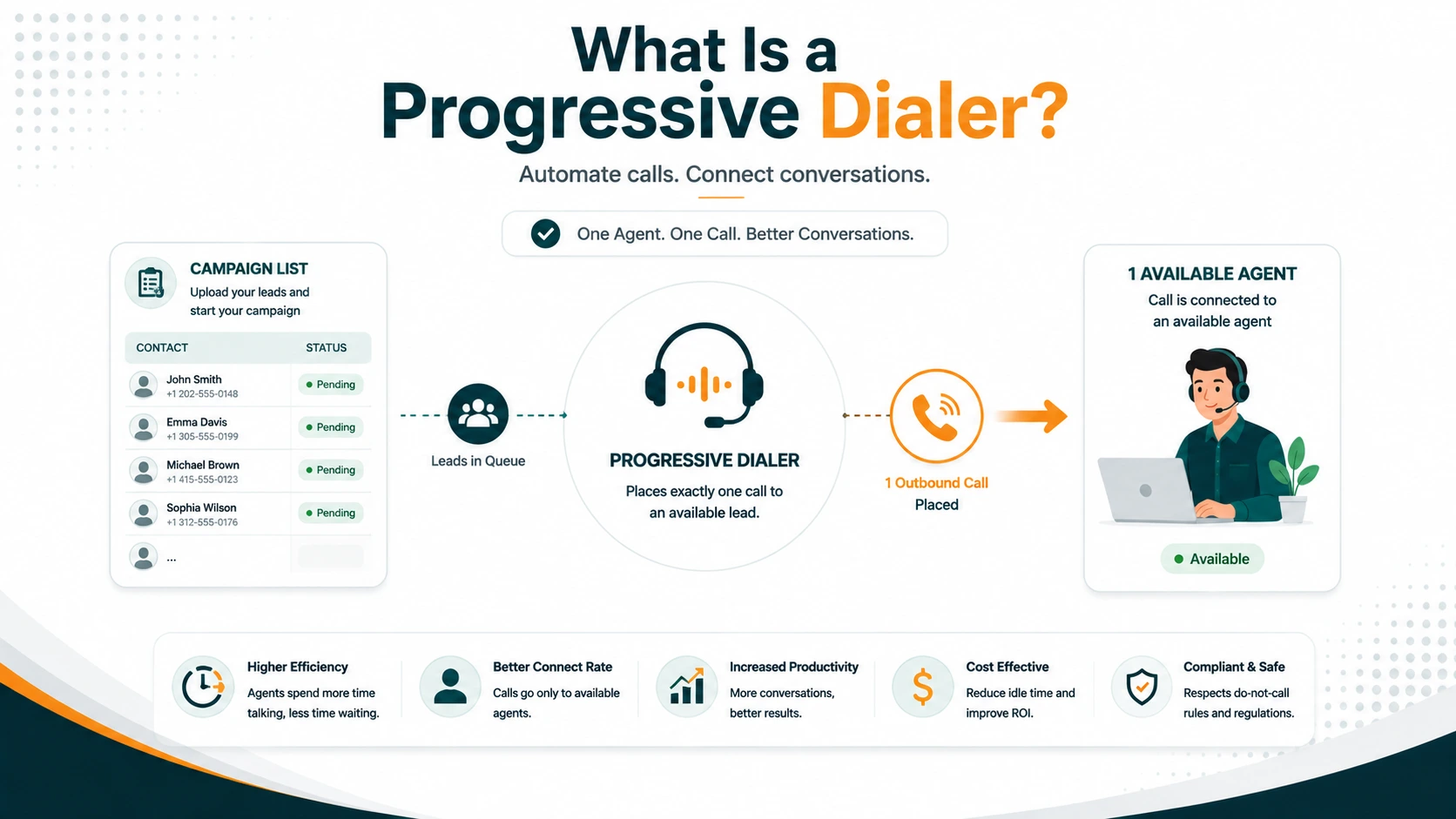
What Is a Progressive Dialer?

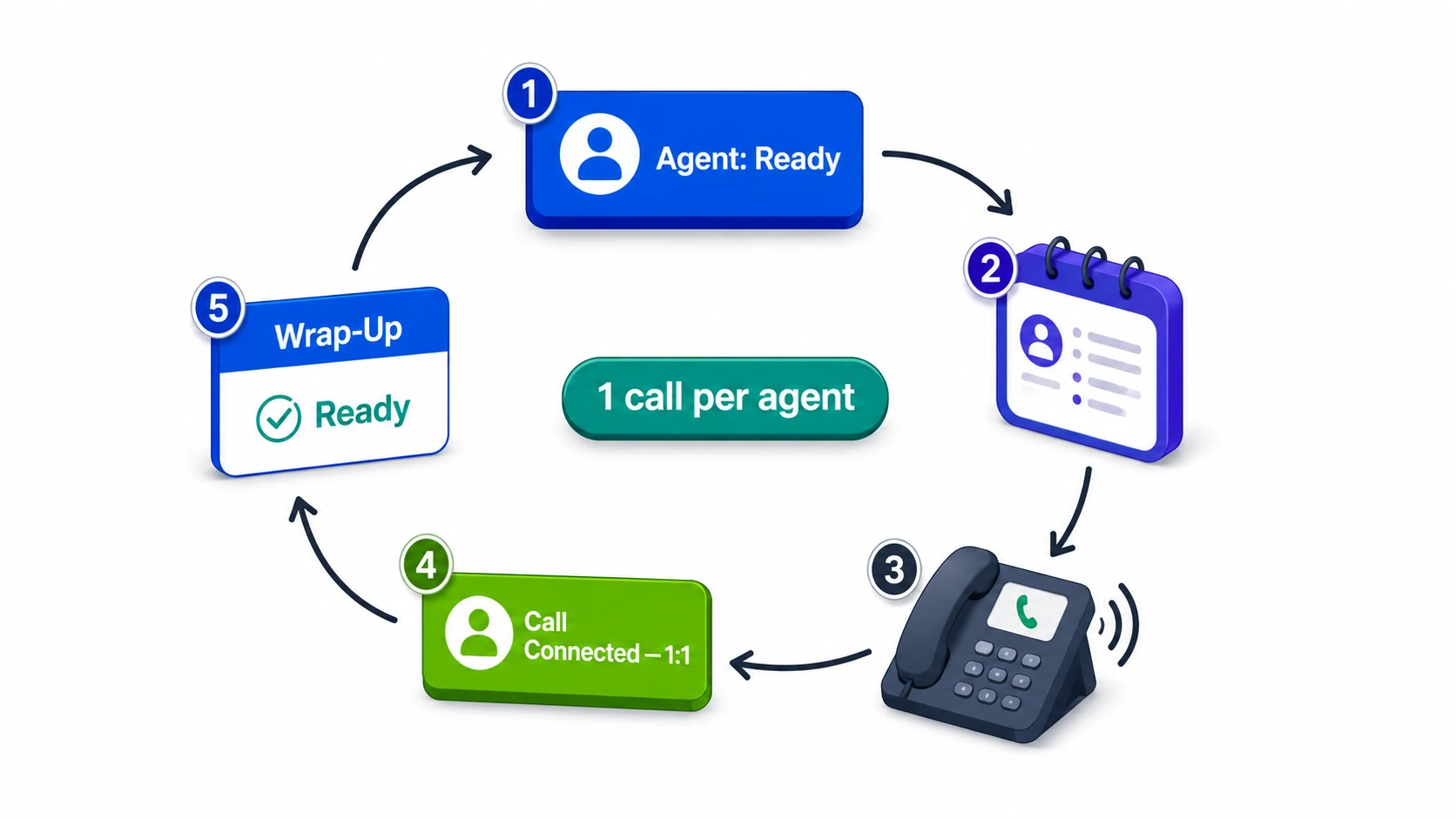
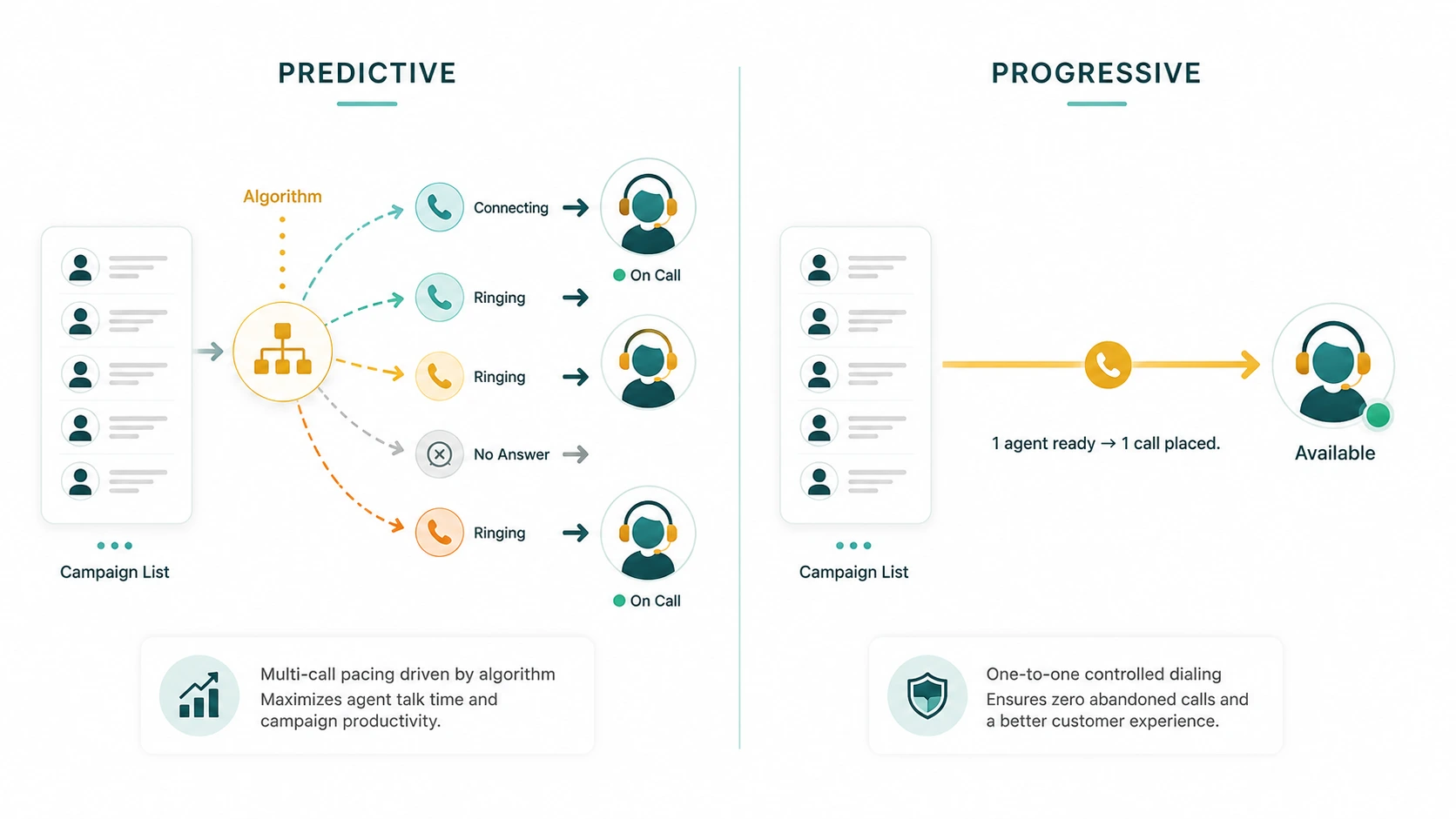
A progressive dialer places one outbound call per available agent. How it works, how it differs from predictive and preview modes, and when to use it.

CCaaS & Contact Center

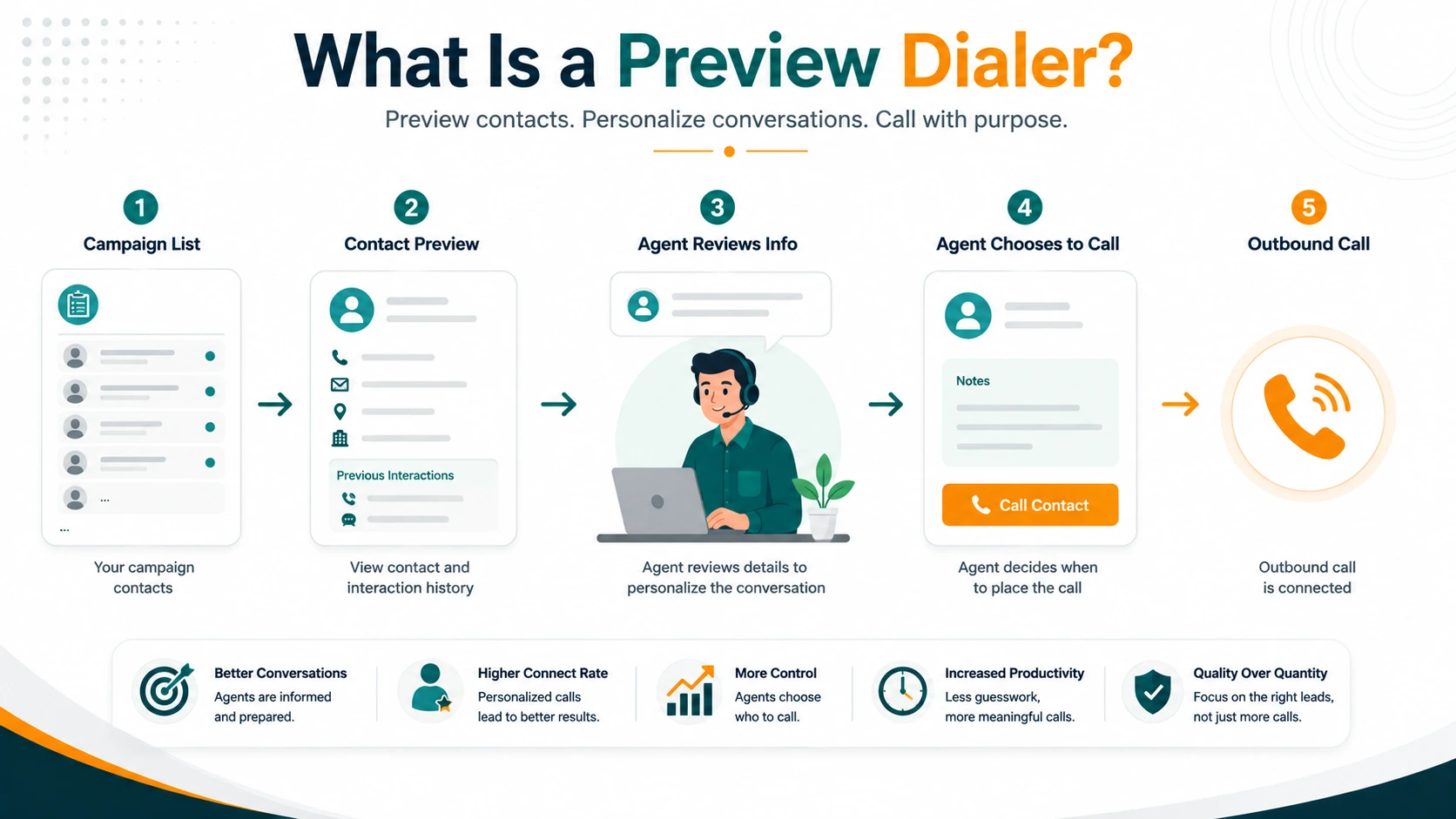
What Is a Preview Dialer?

A preview dialer shows agents a contact record before they dial. How it works, when agent-initiated dialing matters, and how it compares to other modes.

CCaaS & Contact Center

What Is a Cloud Contact Center?

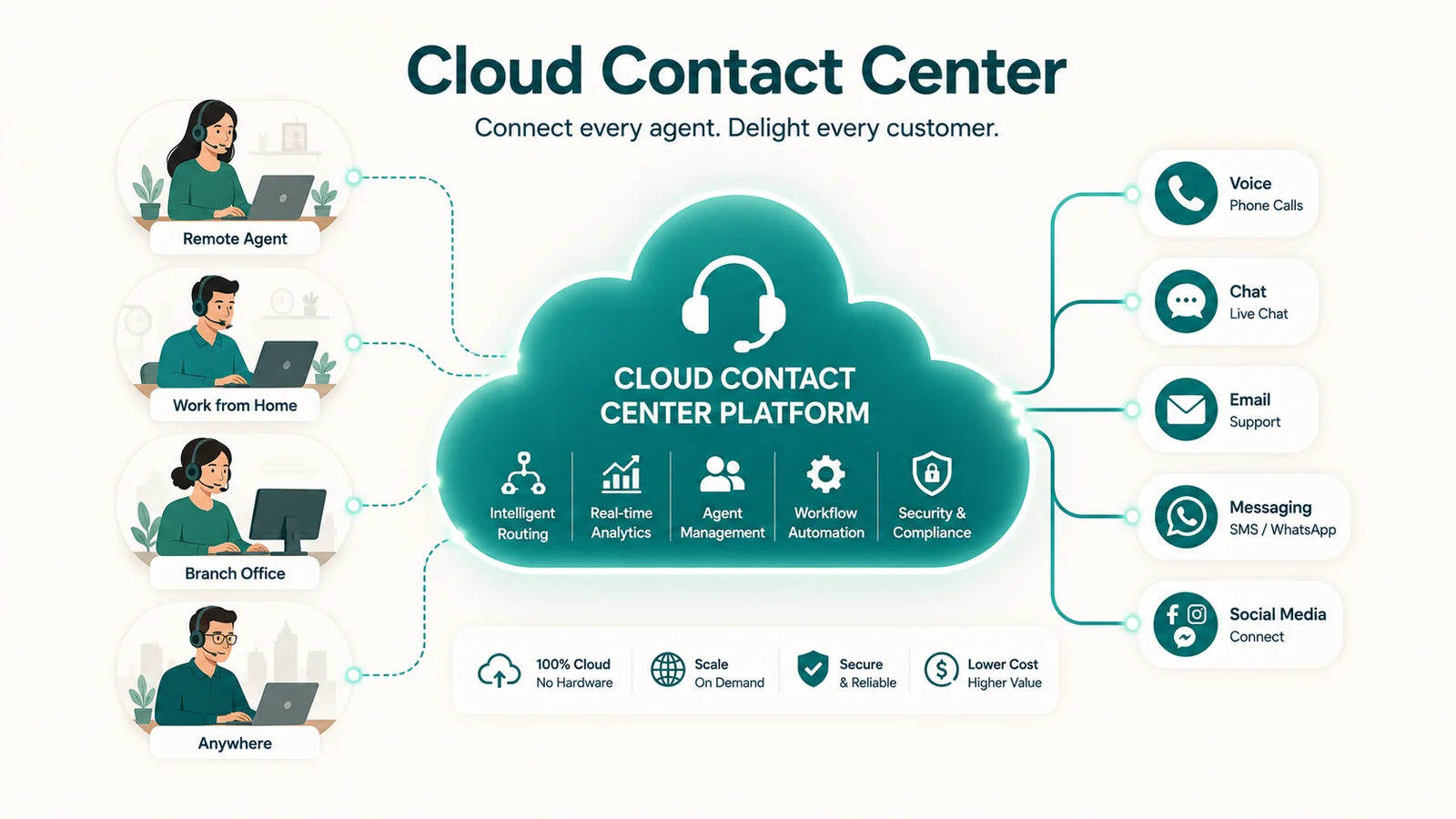
Cloud contact centers run on hosted infrastructure instead of on-site hardware. What that means, the capabilities you get, and how deployment works.

AI & Automation

AI & Automation

AI Chat Agent Handoff to a Human: When and How to Escalate

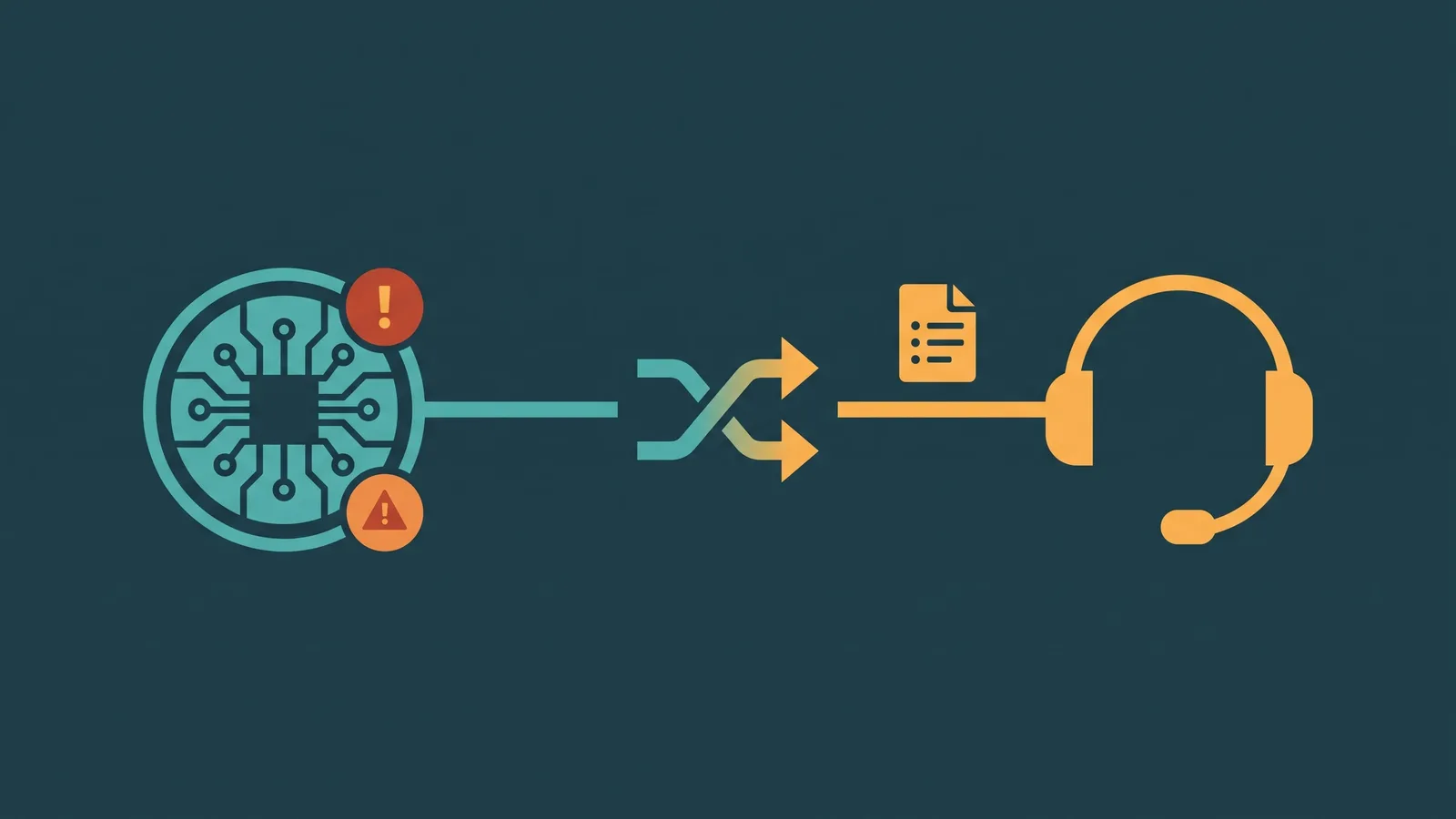
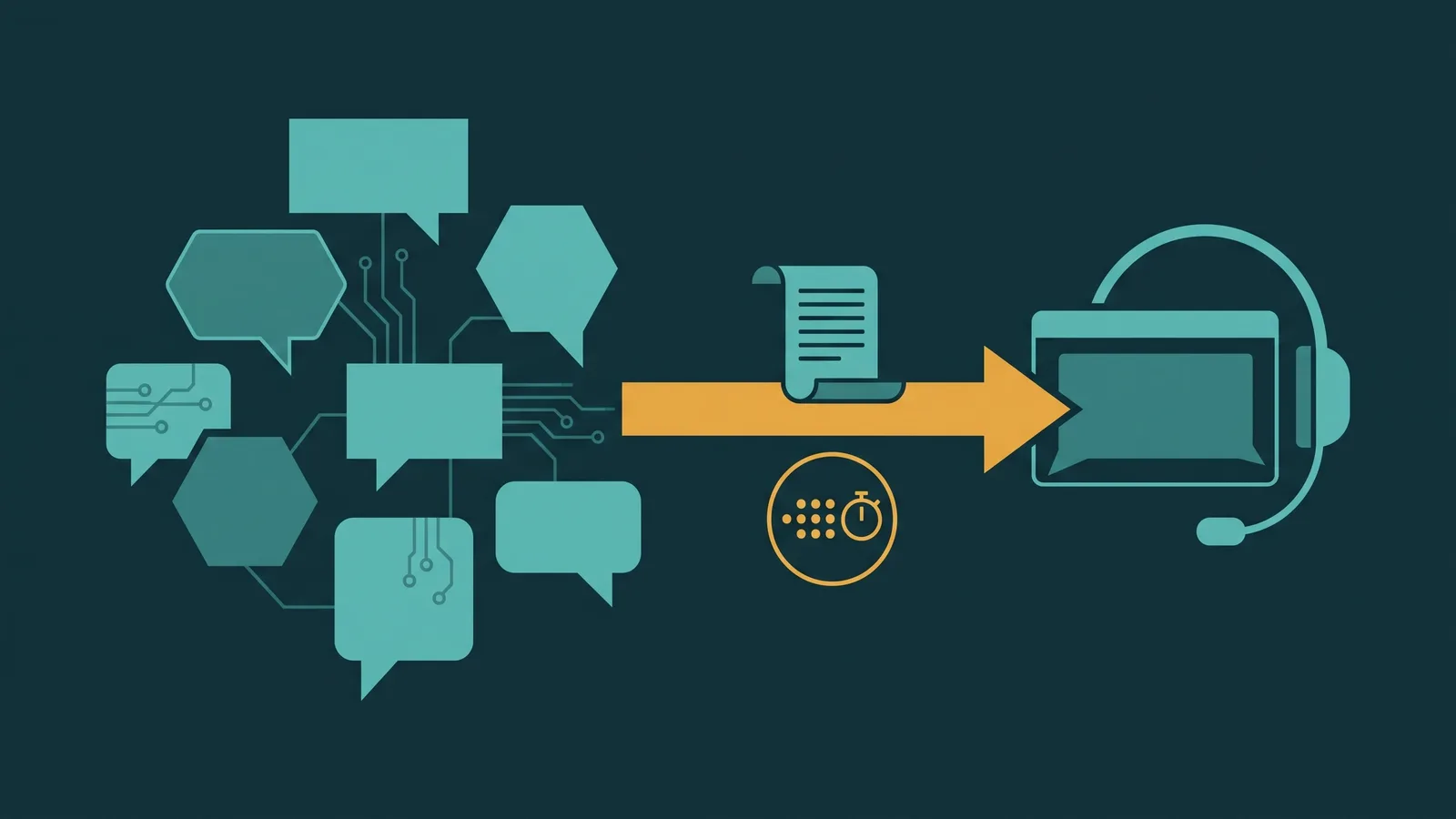
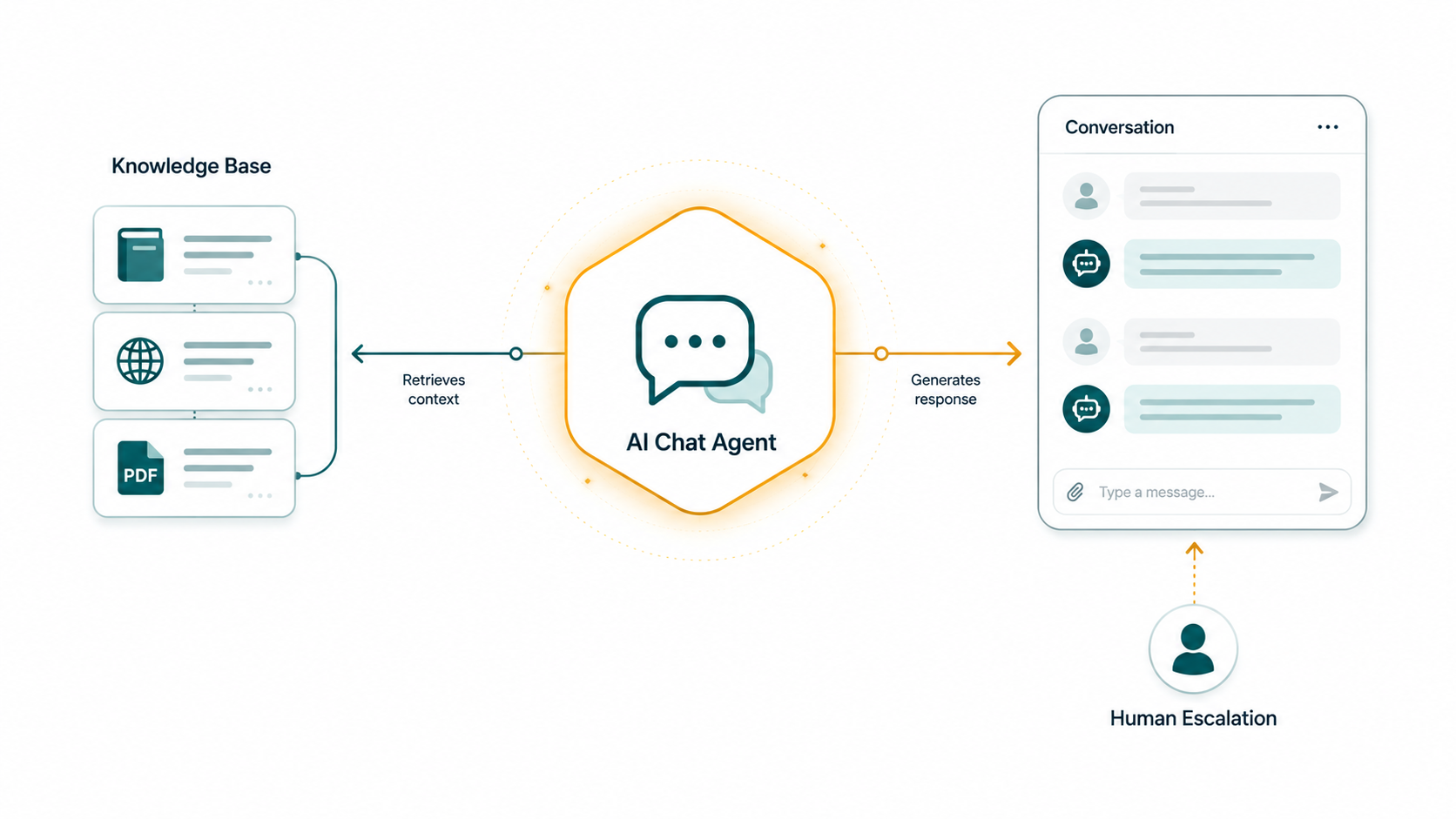
An AI chat agent handoff moves a conversation to a human agent when the bot reaches its limits — based on confidence, sentiment, policy topics, repeated failure, or a direct customer request. This guide covers trigger conditions, transcript transfer, queue behavior, return-to-bot rules, and how to test each path.

AI & Automation

What Is an AI Receptionist?

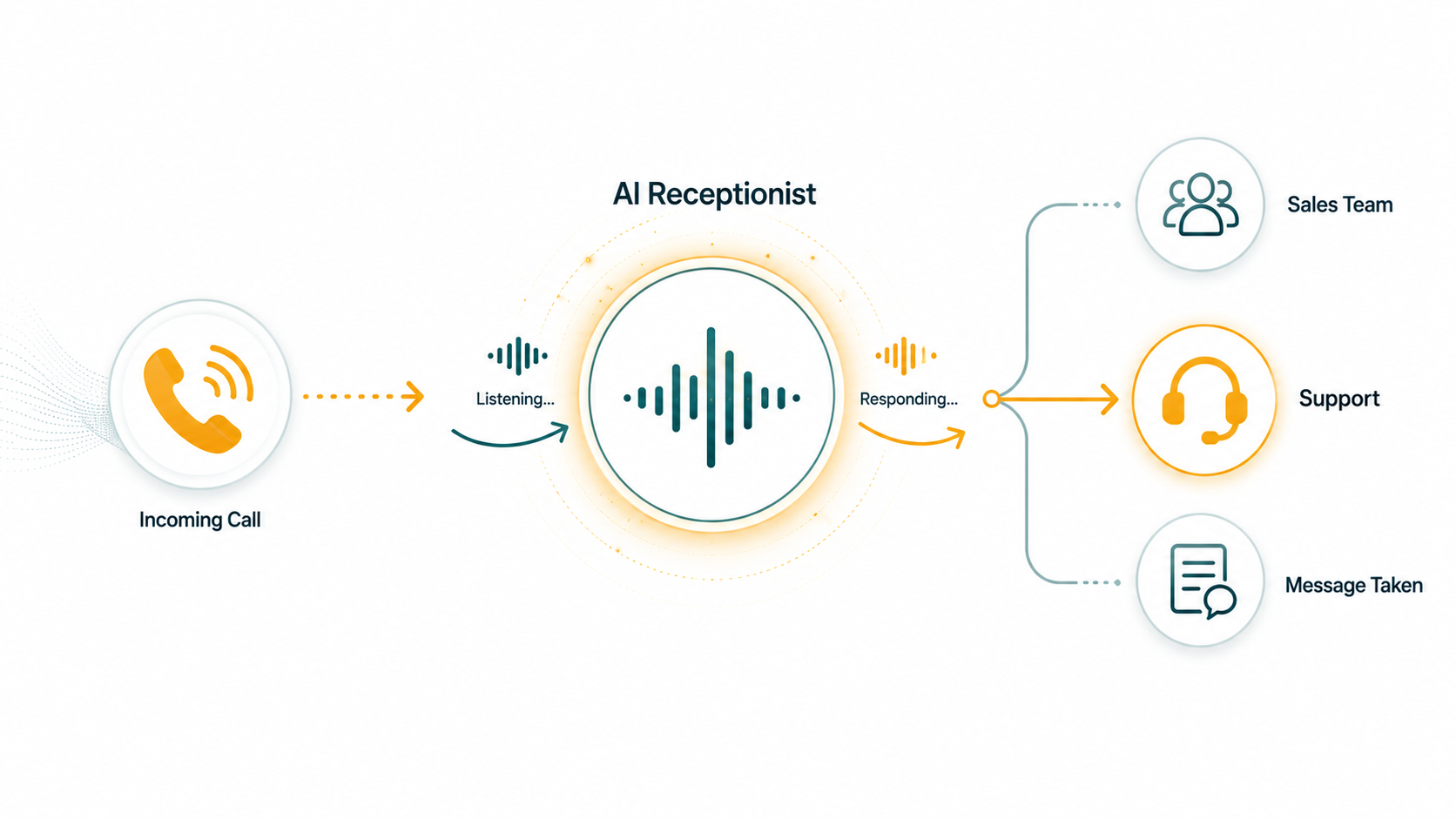
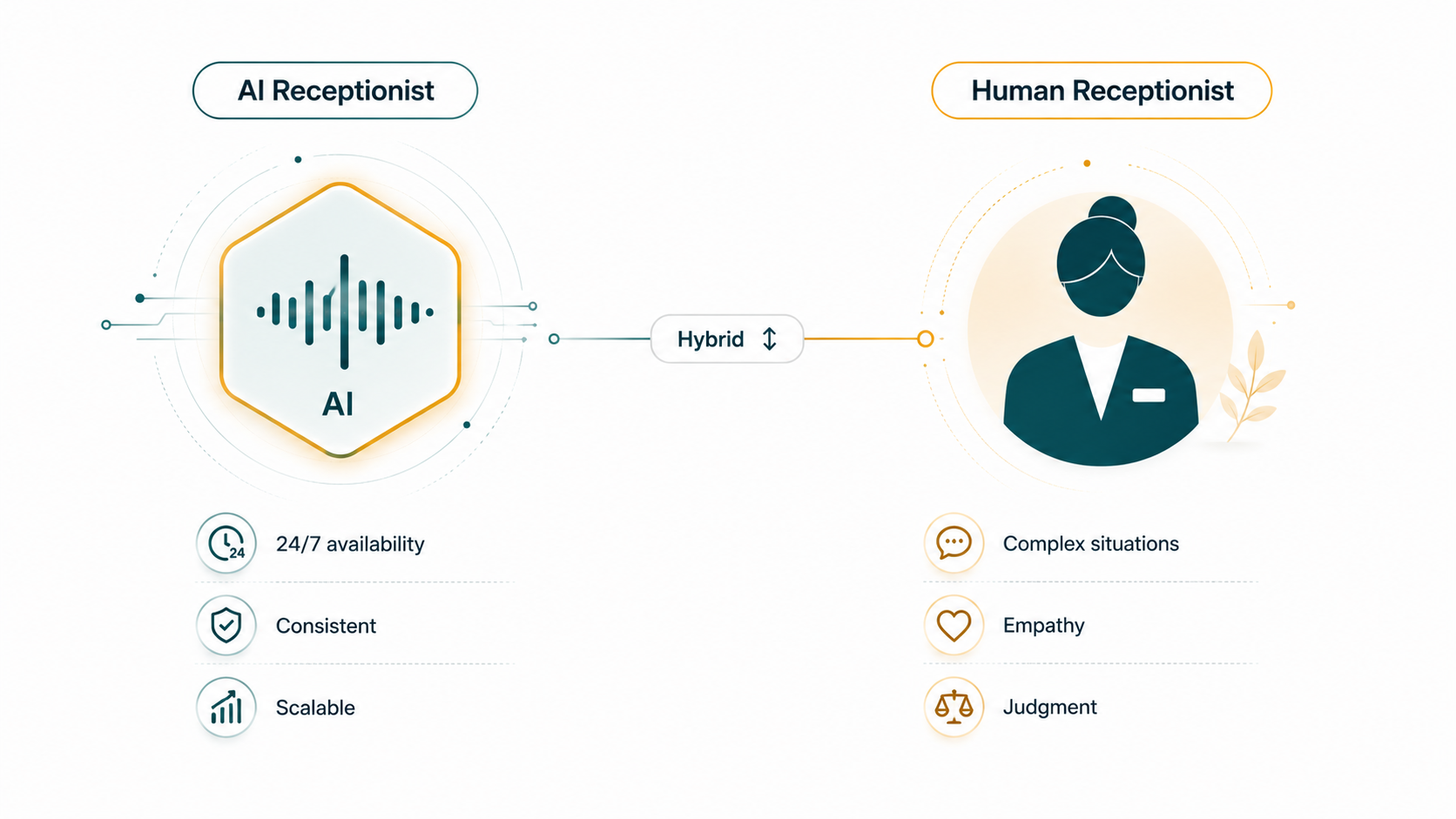
An AI receptionist answers business calls with conversational AI — understanding needs, capturing info, and routing or transferring to a human.

AI & Automation

What Is an AI Chat Agent?

An AI chat agent handles text conversations using an LLM grounded in your knowledge base. How it differs from rule-based chatbots in customer service.

Routing & Operations

Routing & Operations

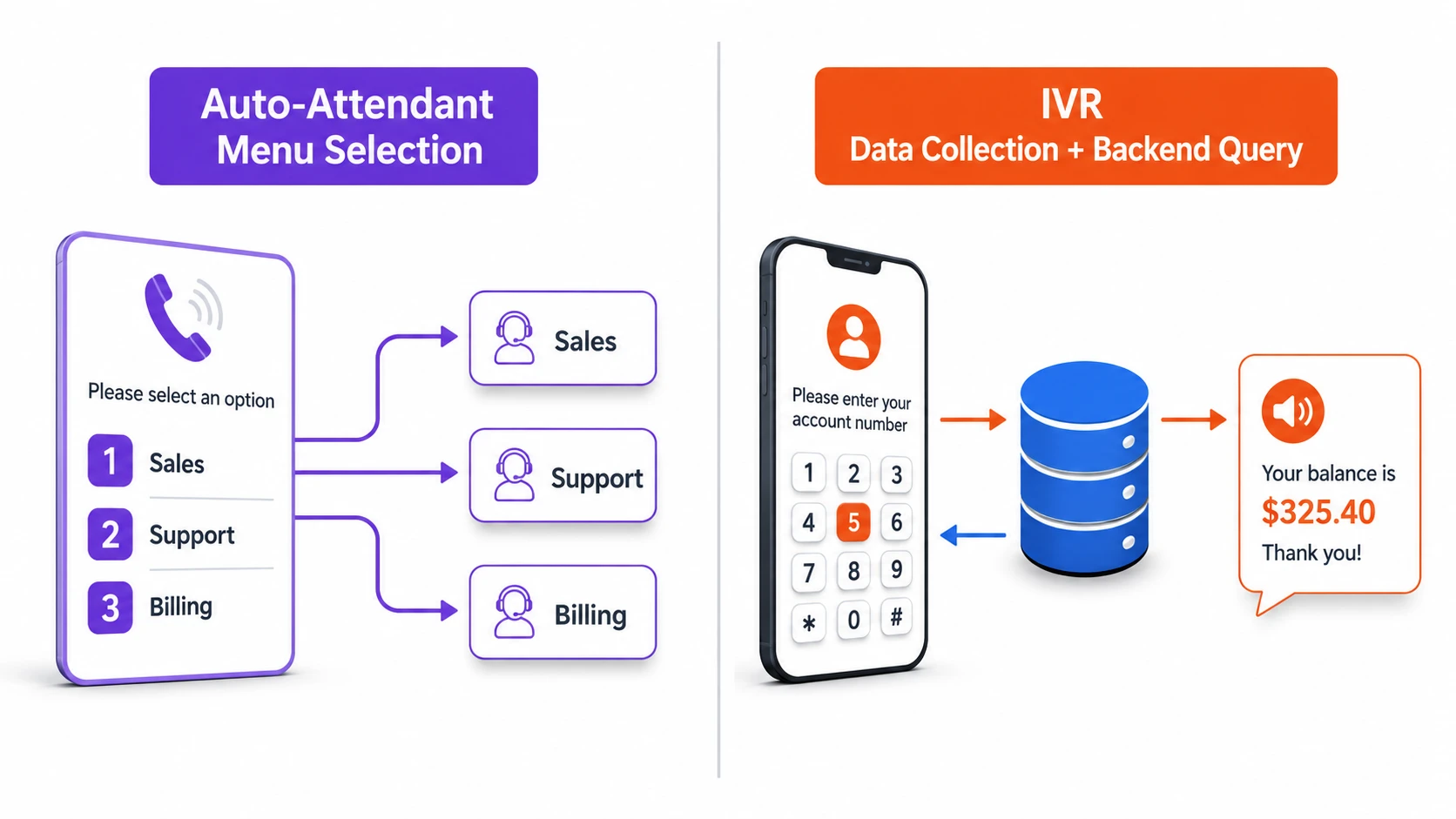
What Is IVR Testing? Types, Methods, and Why It Matters

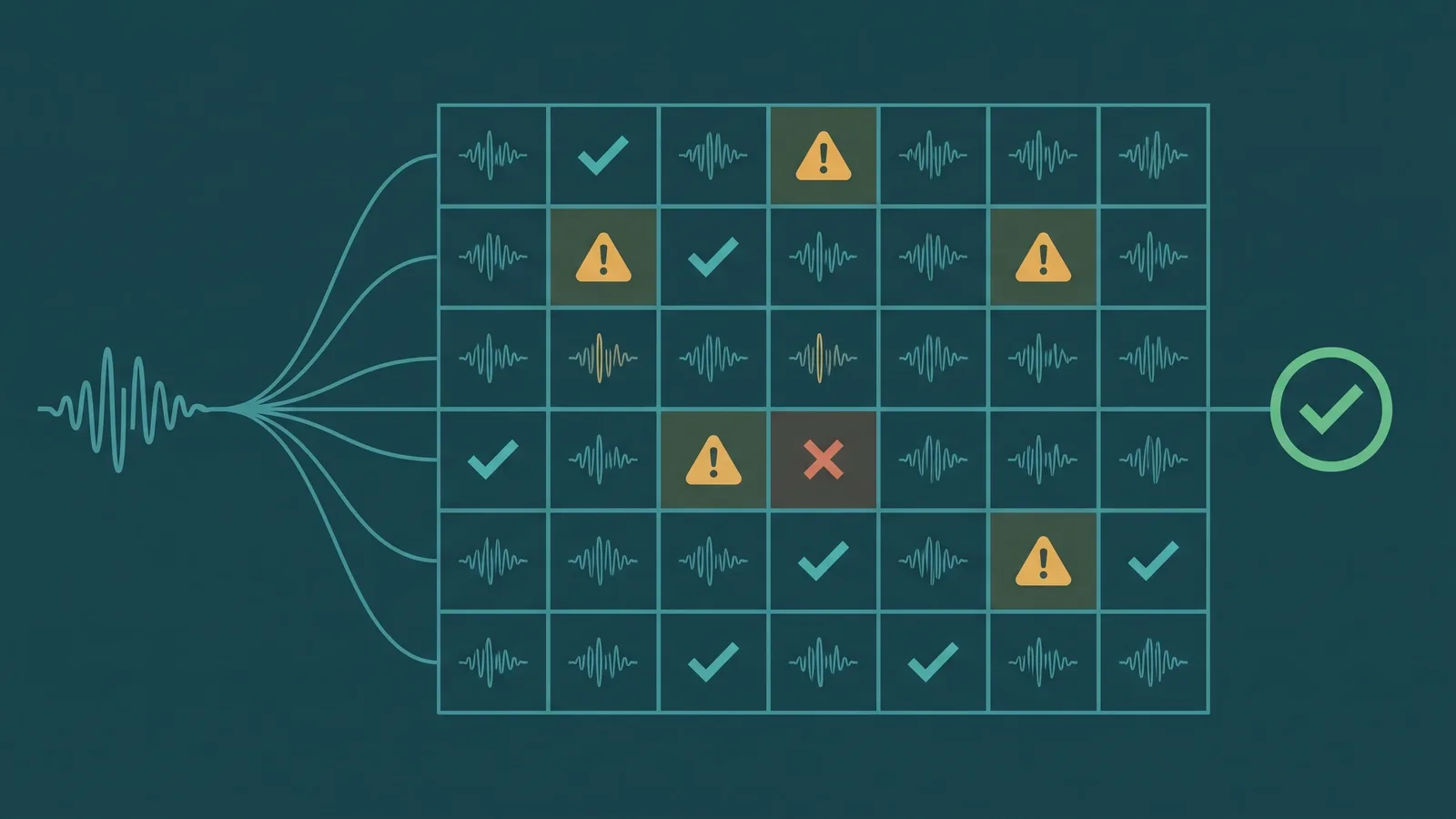
IVR testing validates that your interactive voice response system works correctly before and after deployment — covering functional logic, speech recognition accuracy, DTMF input, call flow paths, and load behavior. This guide explains the types of IVR testing and how to structure a testing program.

Routing & Operations

Skills-Based Call Routing: How It Works

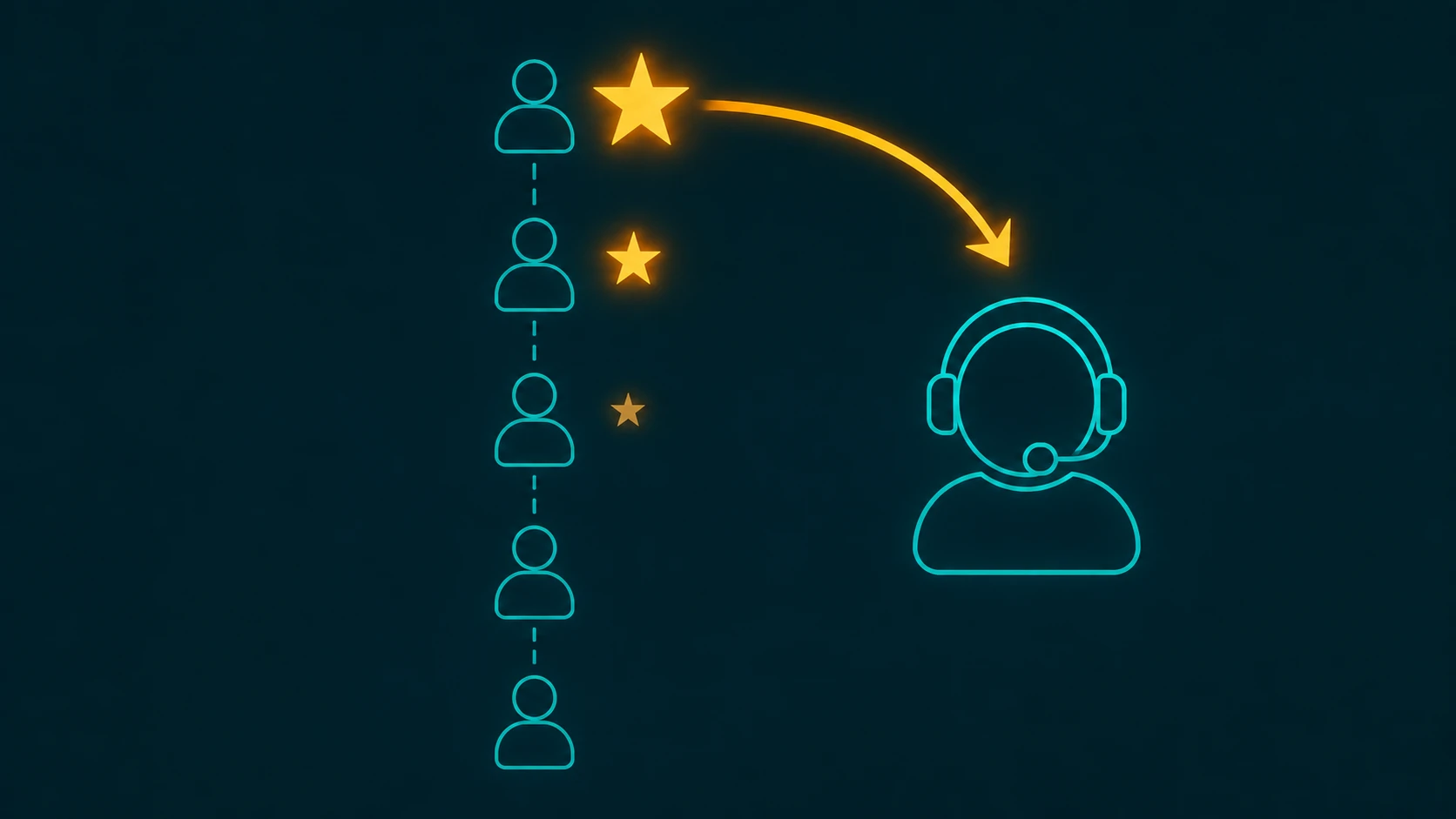
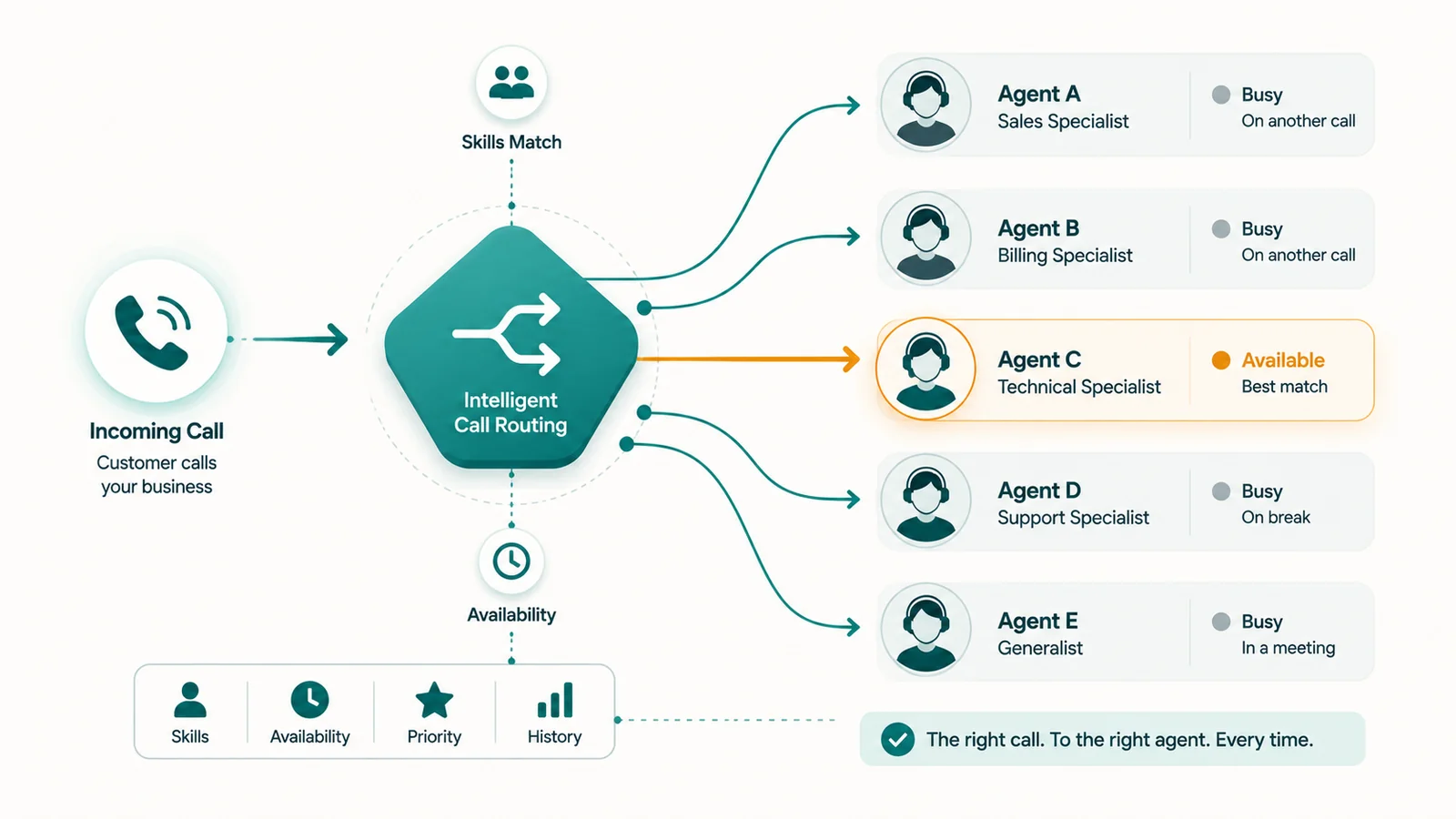
Skills-based routing matches incoming calls to agents based on defined skills and proficiency levels. How the ACD matches call types to agent profiles, how fallback expansion works, and what to measure.

Routing & Operations

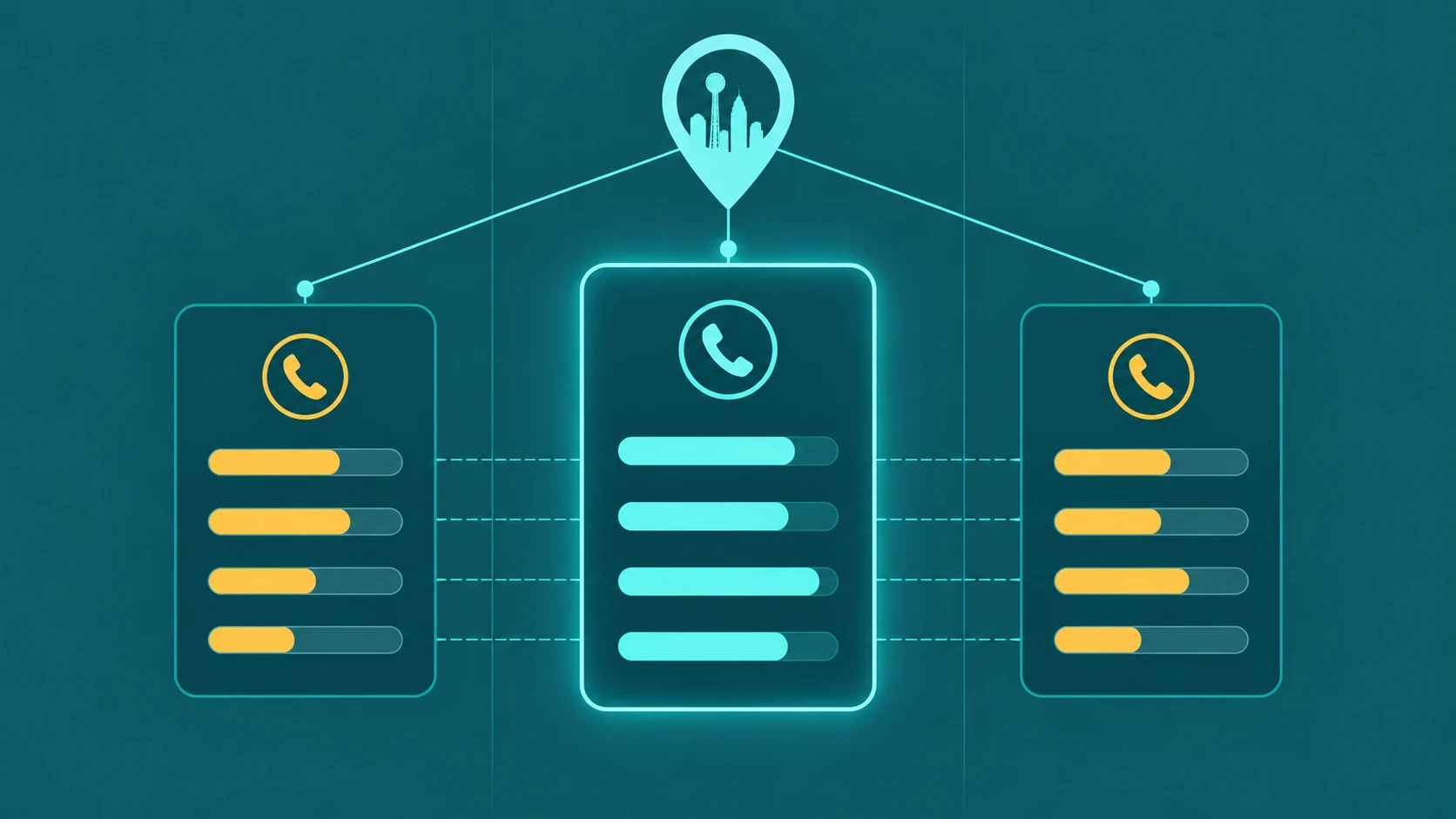
Geographic Call Routing: Methods, Benefits, and Mistakes

Geographic call routing directs calls based on where a caller is located or which number they dialed — but the routing signal matters as much as the strategy. Five distinct geographic signals, their accuracy limits, and common mistakes including number portability and IP geolocation errors.

Routing & Operations

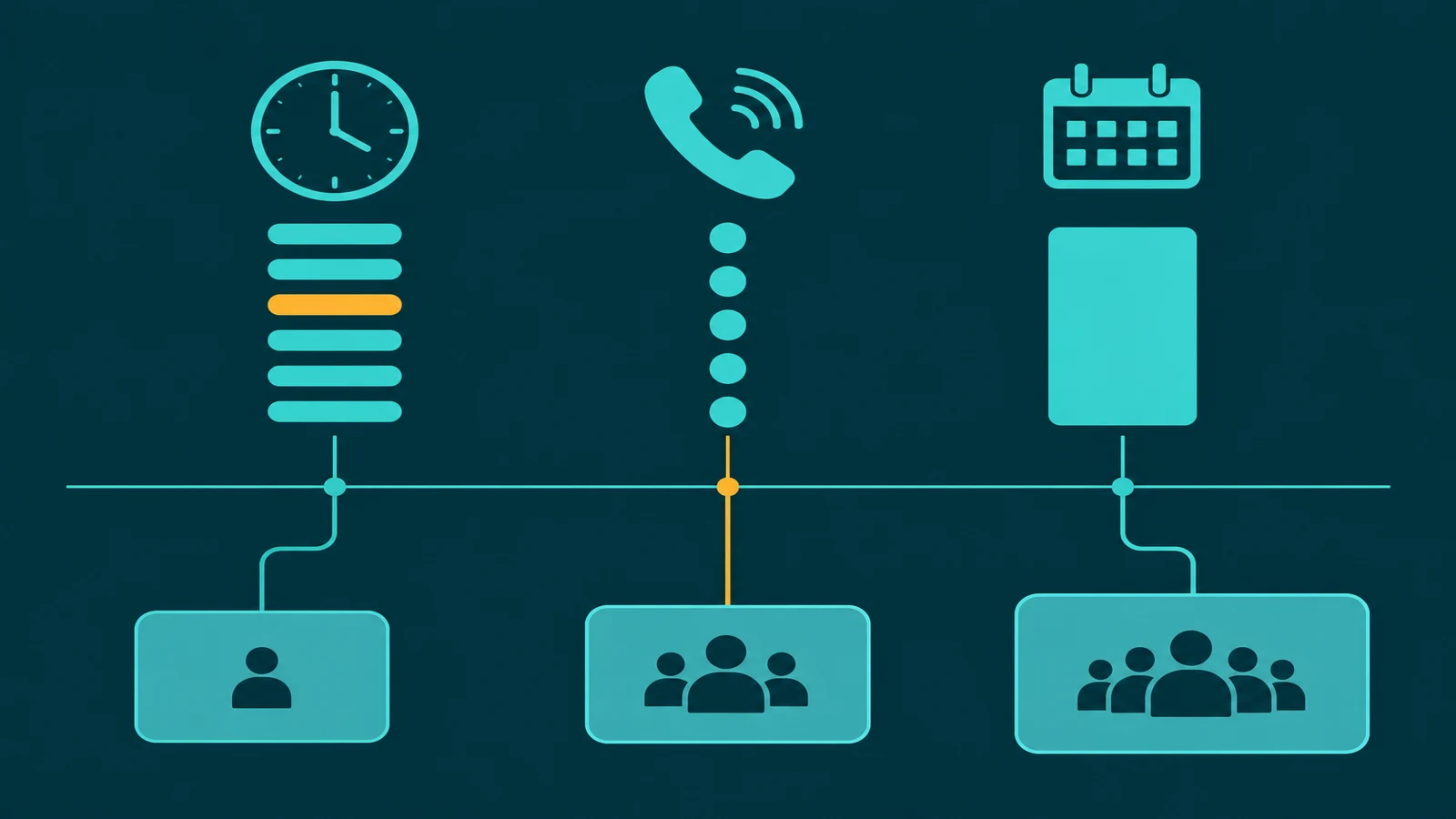
Time-Based Call Routing: Business Hours, Time Zones, and Overrides

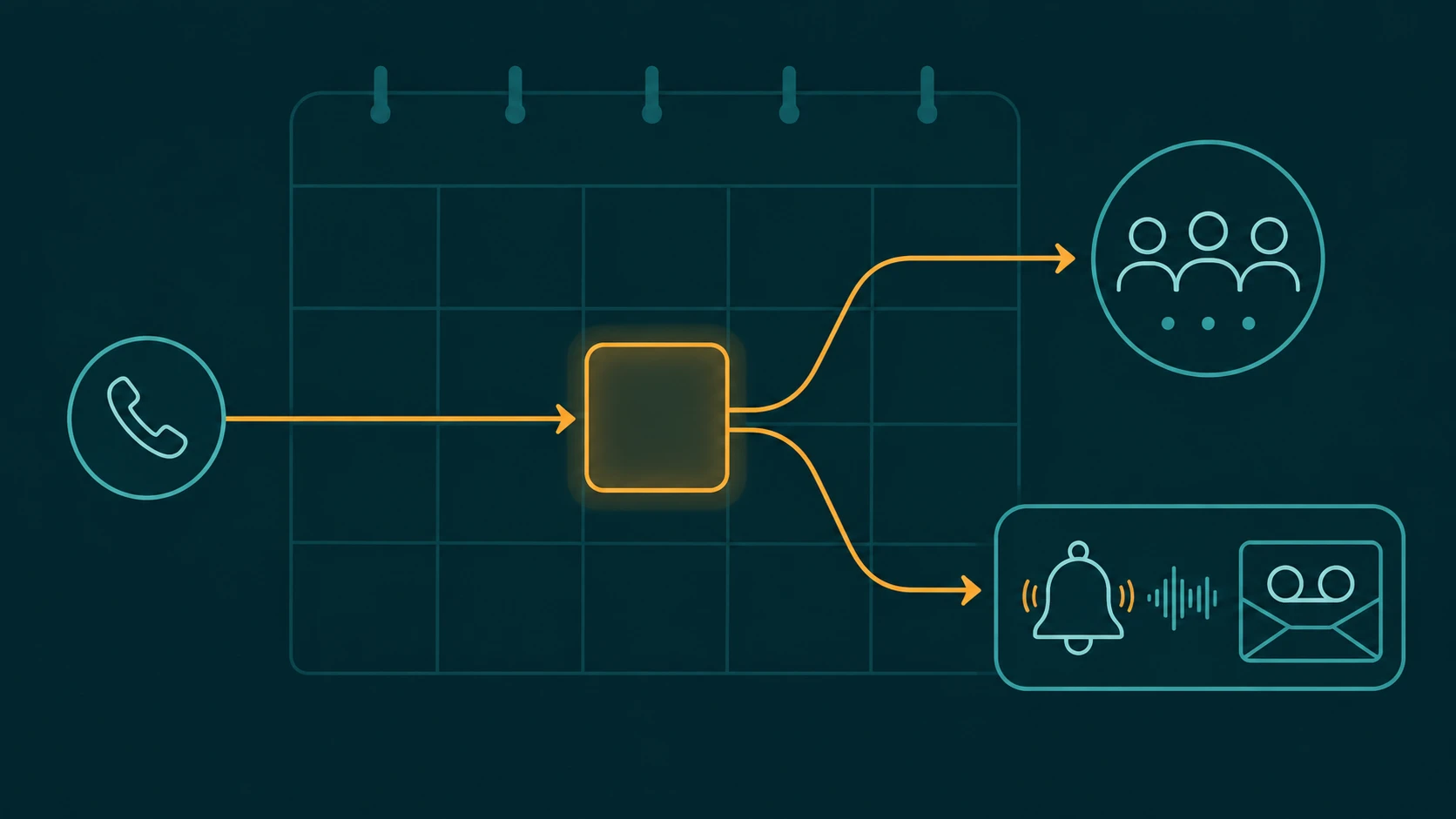
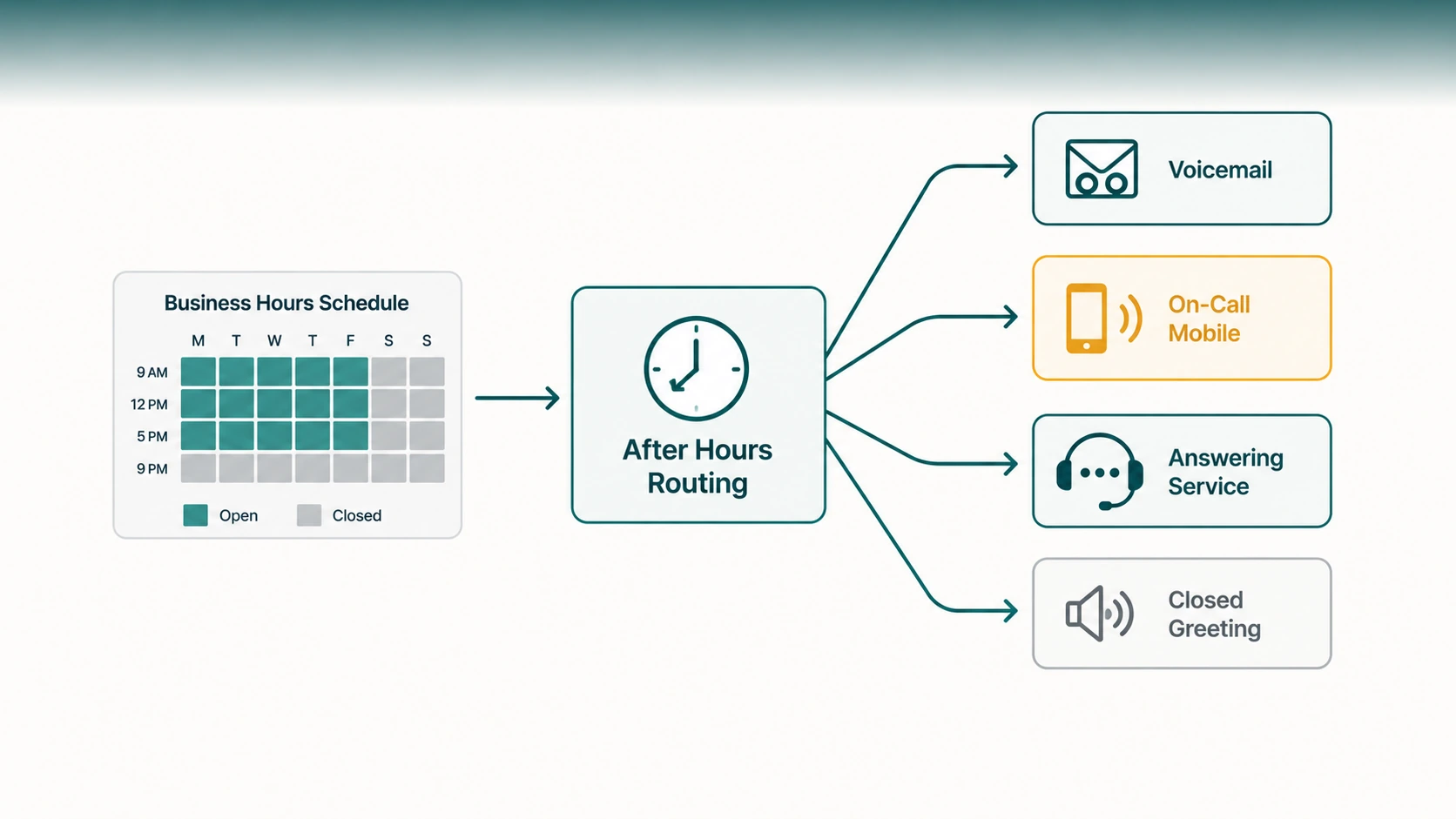
Time-based call routing directs calls differently depending on the time of day, day of week, or calendar date — sending callers to agents during business hours and to alternative handling outside them. How scheduling rules work, how rule precedence is set, and how to manage daylight saving, holiday, and manual override scenarios.

Routing & Operations

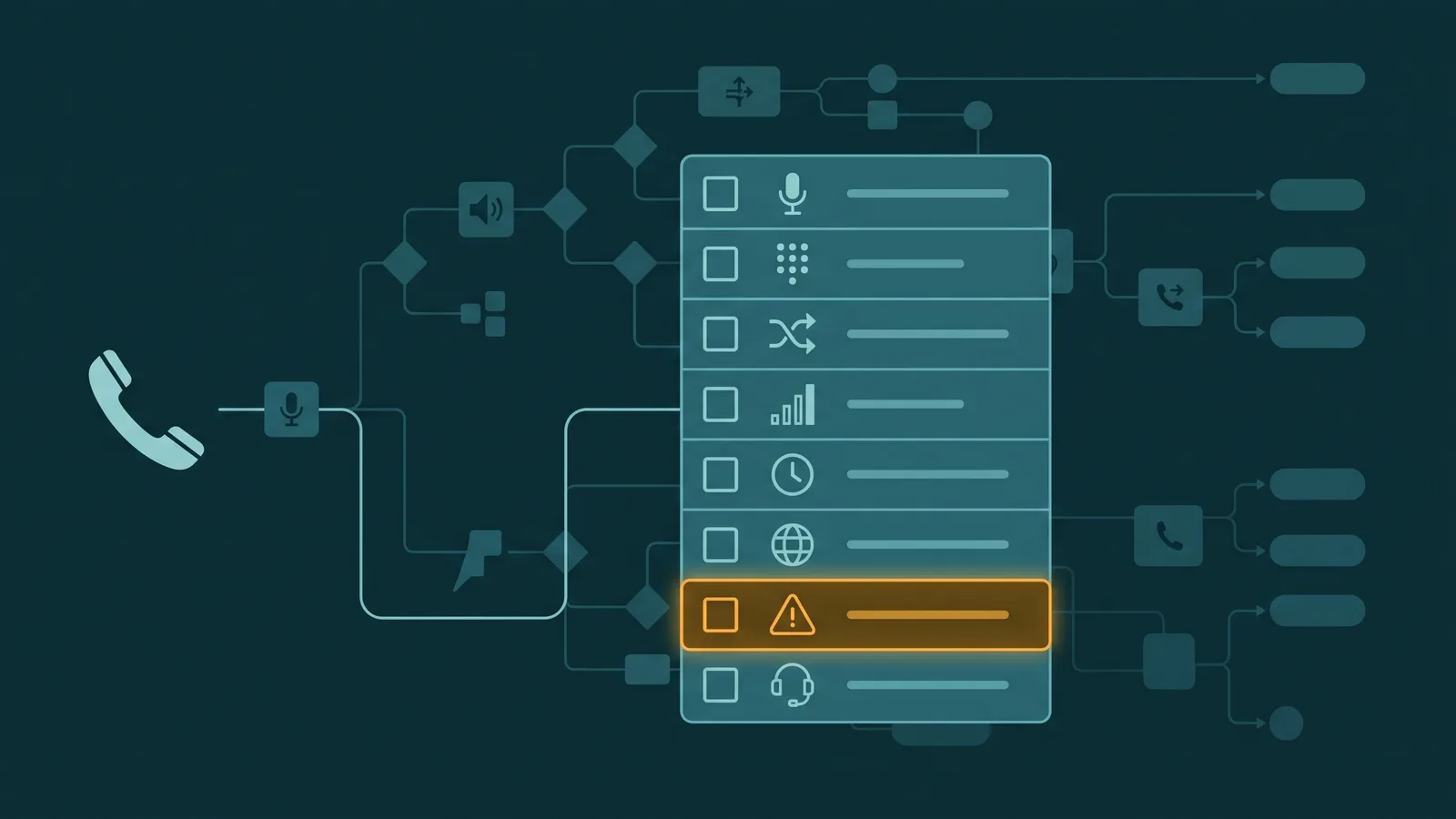
IVR Testing Checklist Before You Go Live

An IVR system that passes unit testing can still fail in production — callers mispronounce inputs, DTMF signals degrade over carrier networks, timeouts fire at unexpected moments, and accessibility features break silently. A complete pre-launch IVR testing checklist covering functional, usability, failure-path, load, accessibility, and transfer validation.

Routing & Operations

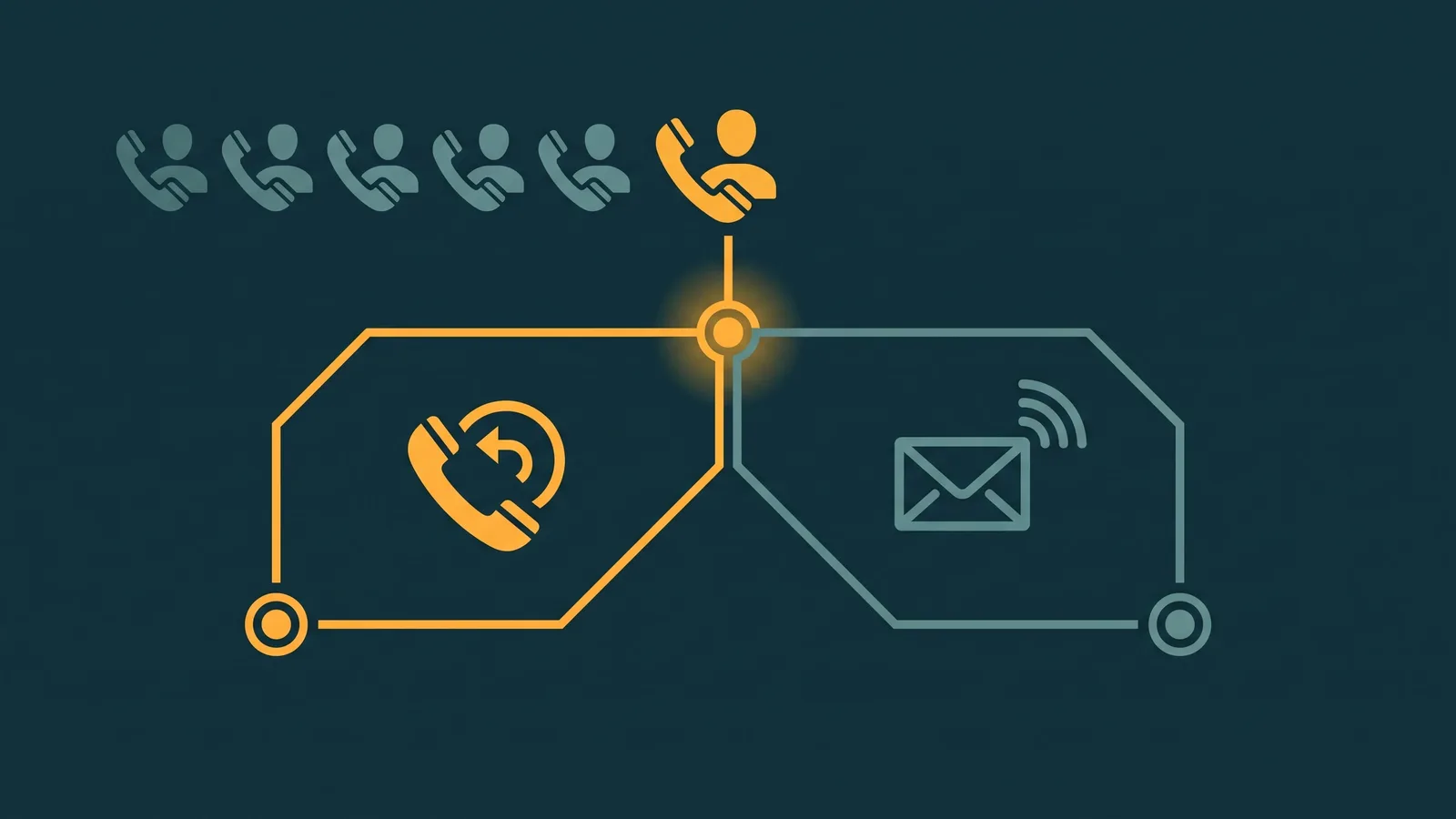
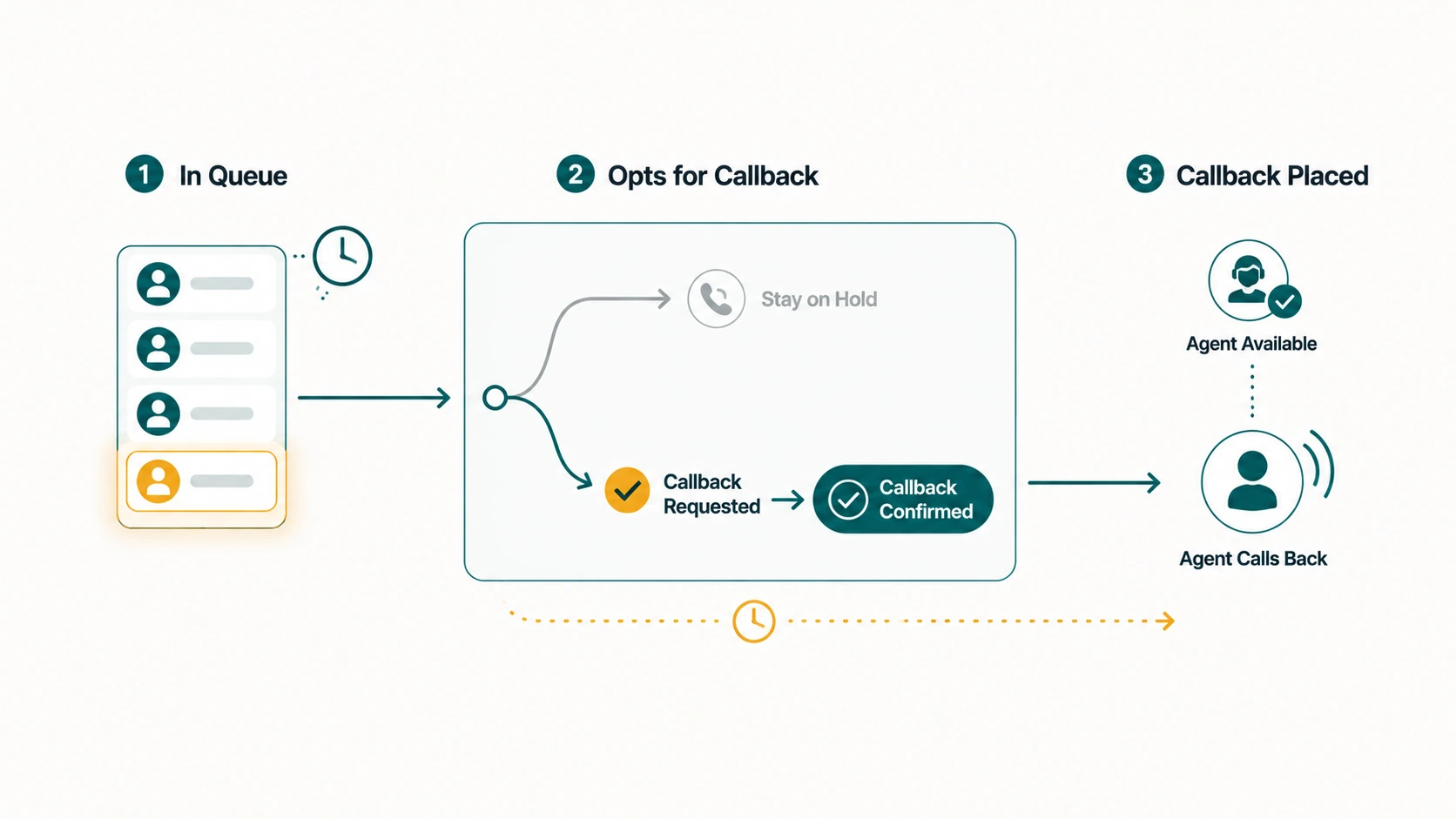
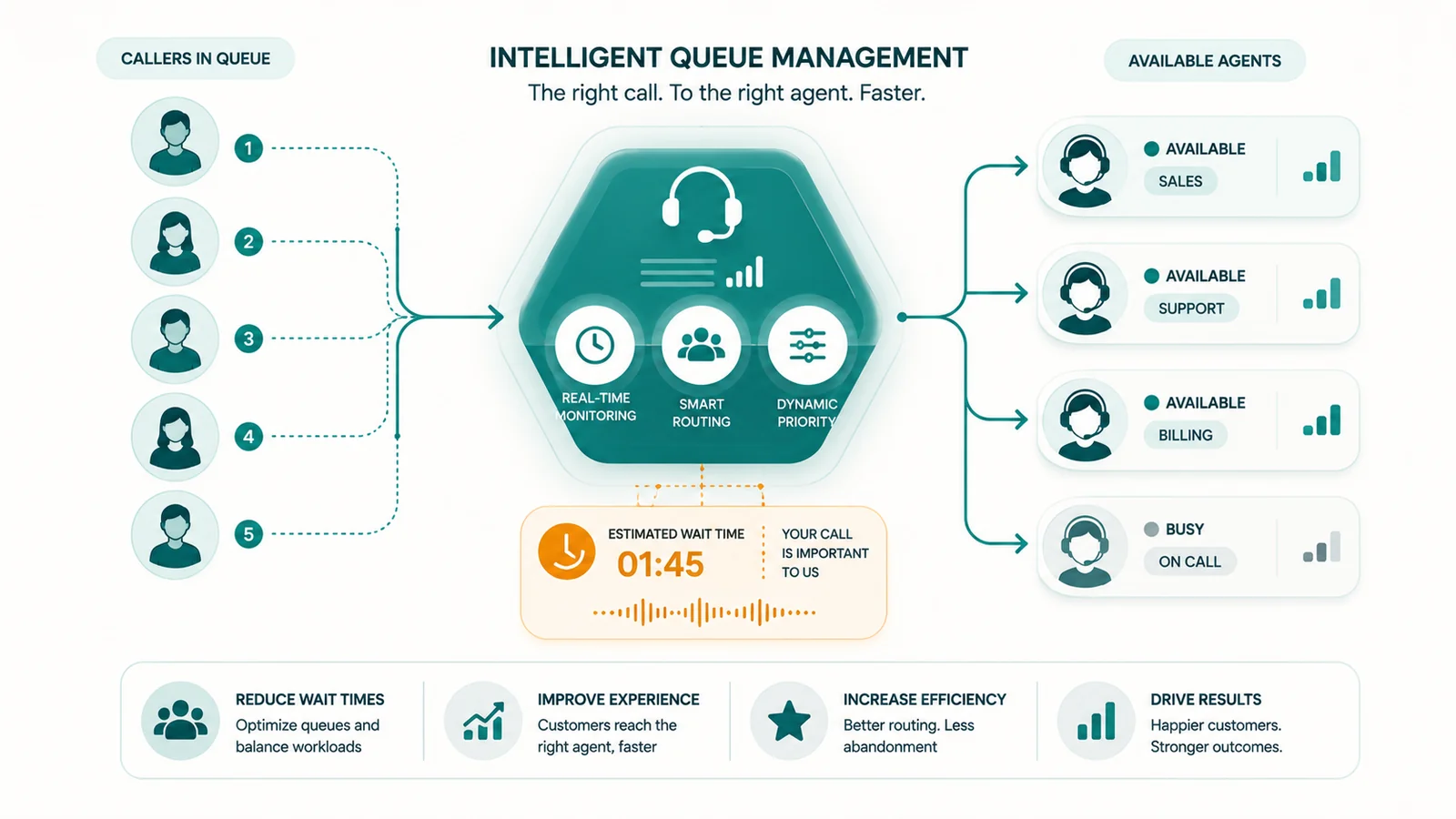
Queue Callback vs Voicemail: Which Should You Offer?

Queue callback and voicemail both give callers an exit from a long wait — but they work differently, serve different use cases, and have different failure modes. How each works, when each is appropriate, and how to decide which to offer (or both) at different points in the call flow.

Routing & Operations

Call Queue Announcements: What to Say and When

Queue announcements are the voice messages callers hear while waiting — entrance greetings, position updates, estimated wait times, callback offers, and outage notices. What each type of announcement should say, how often to play it, and what makes estimated wait time announcements backfire.

Routing & Operations

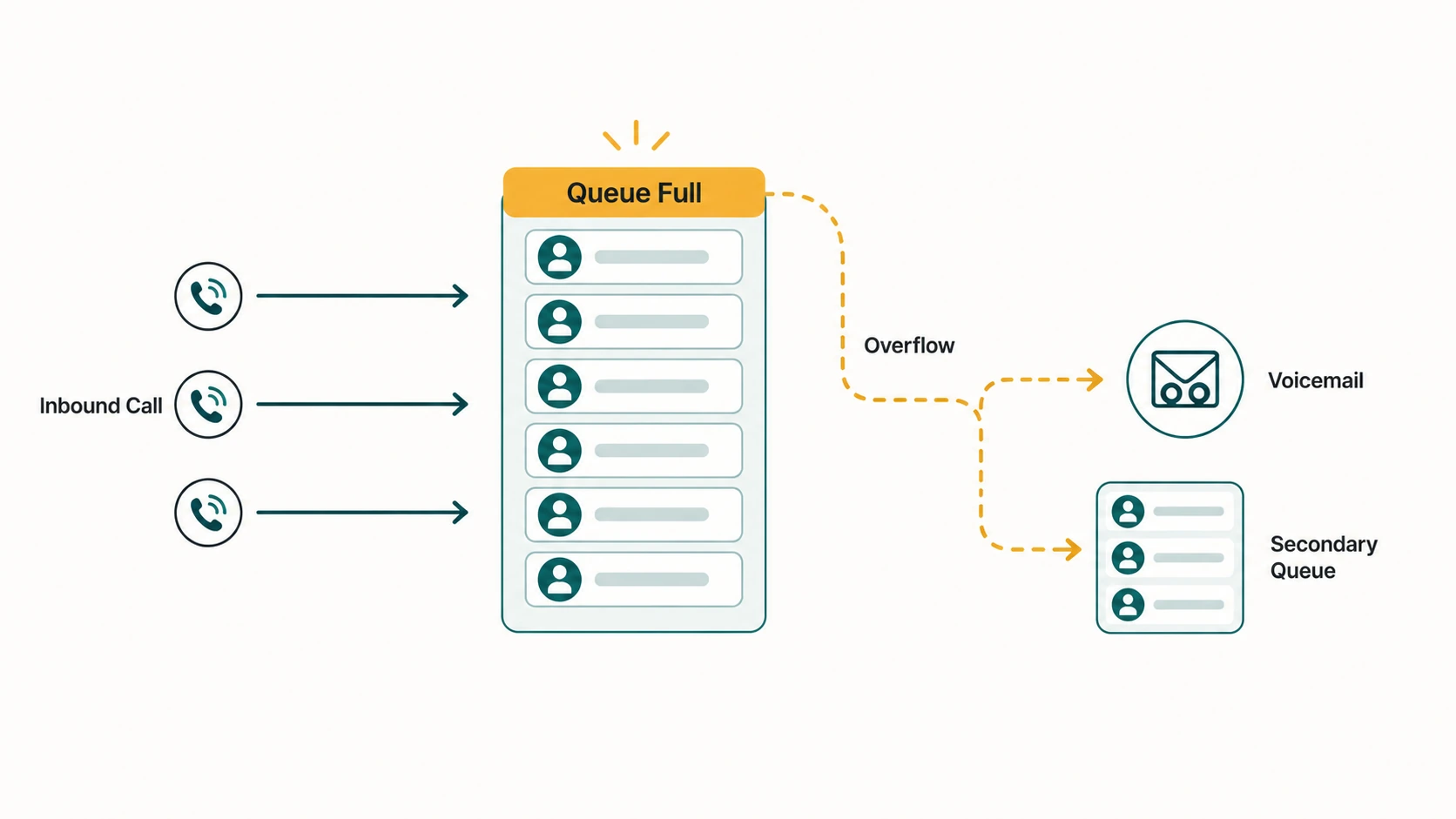
What Is Call Queue Overflow?

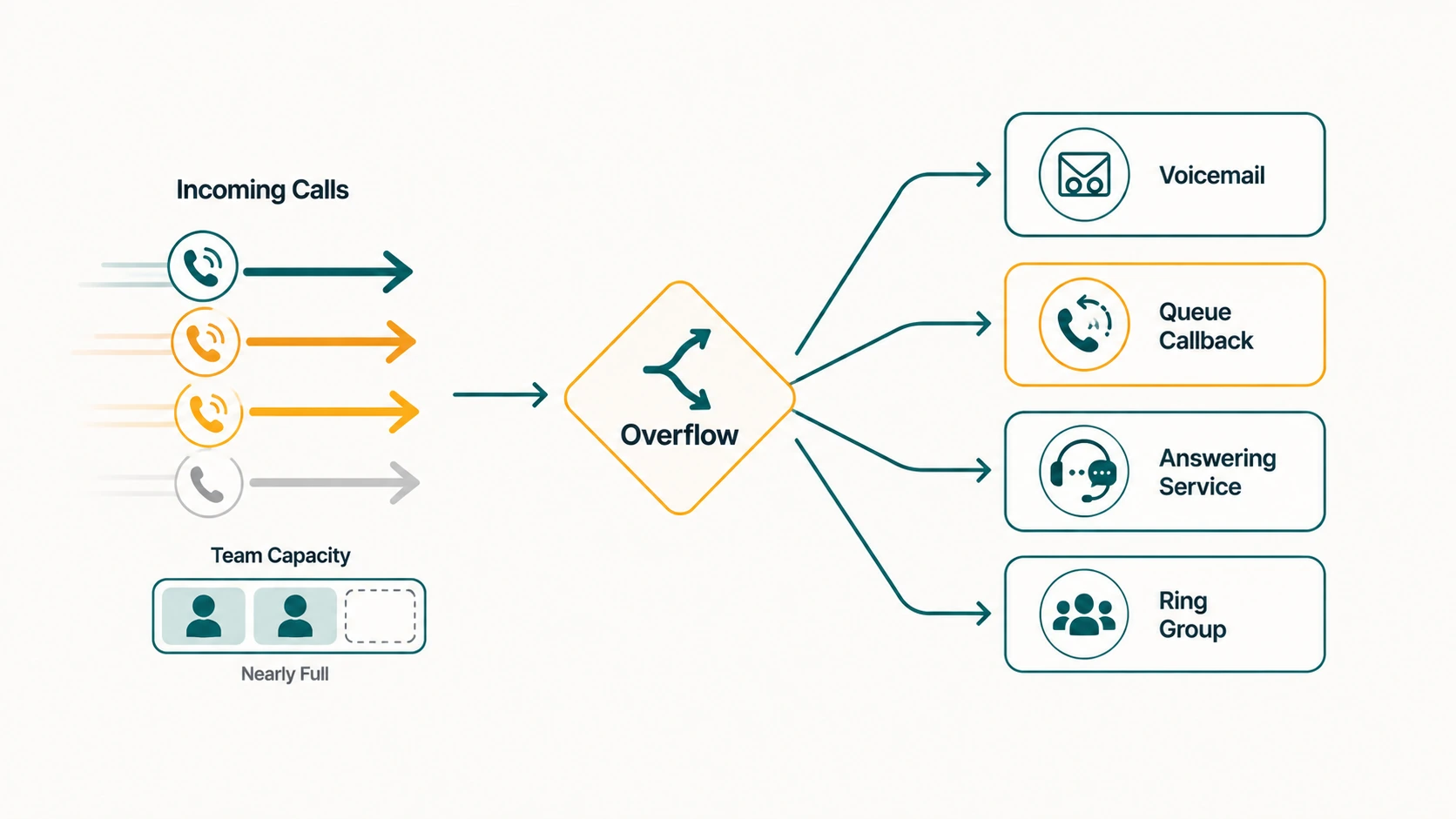
Call queue overflow triggers when a queue is full, max wait is hit, or no agent is free. Where overflow calls go, how to set it up, and common mistakes.

Routing & Operations

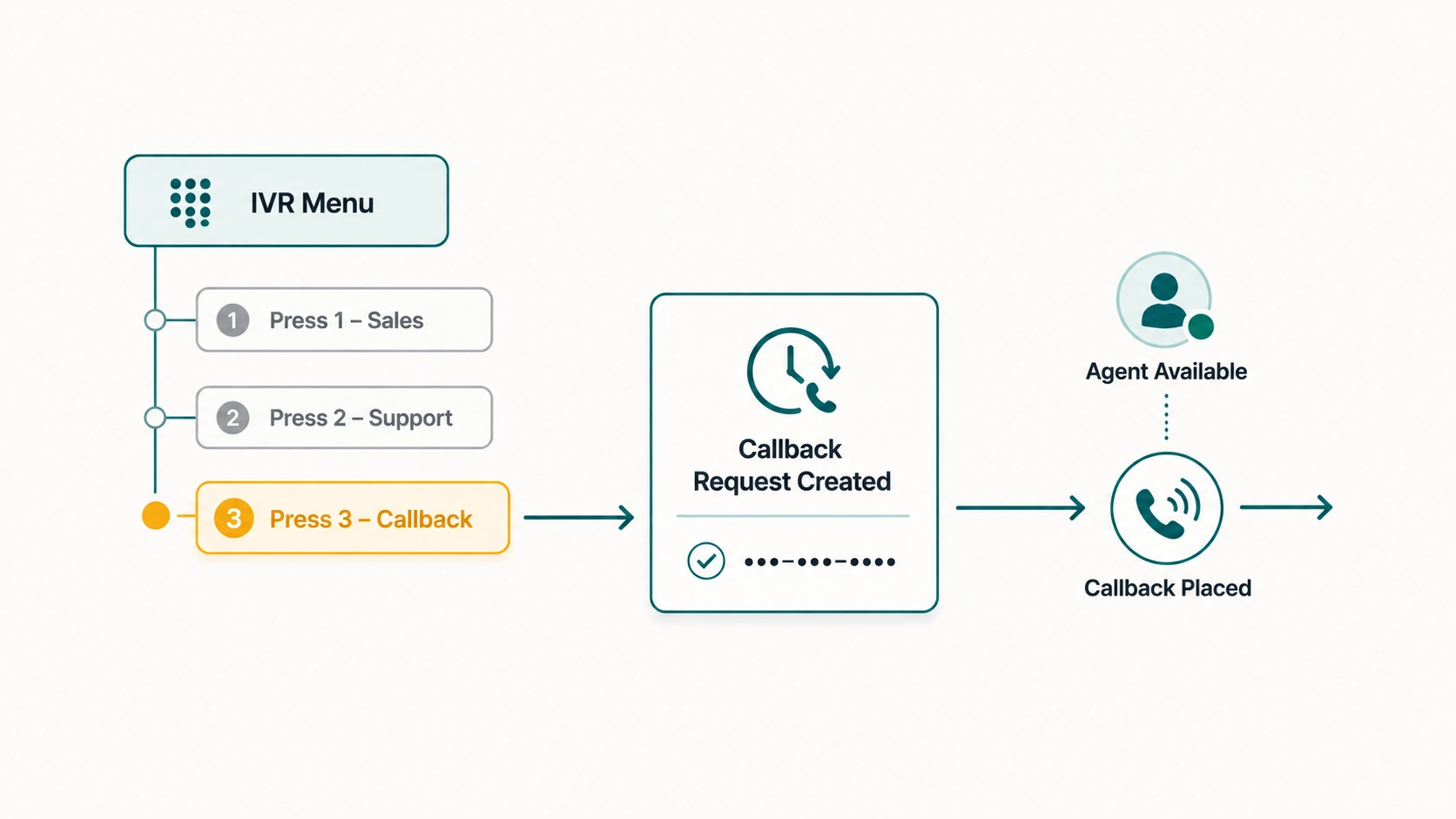
What Is an IVR Callback?

An IVR callback lets callers request a return call via a voice menu instead of waiting on hold. How it differs from queue and scheduled callback.

Routing & Operations

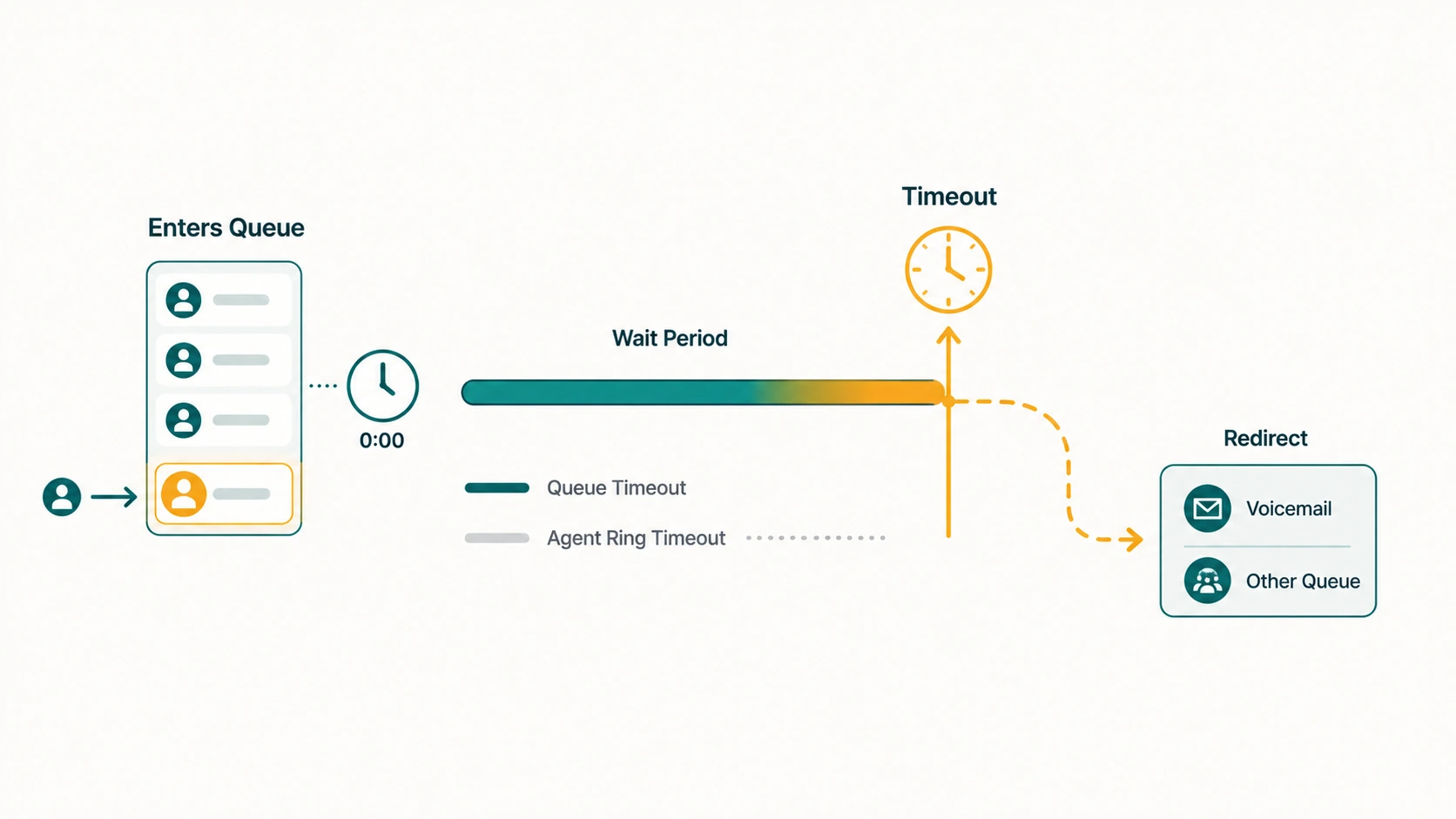
What Is a Call Queue Timeout?

A call queue timeout sets how long a caller waits before being redirected or disconnected. How it differs from ring timeout and common config mistakes.

Routing & Operations

Call Queue vs Call Forwarding

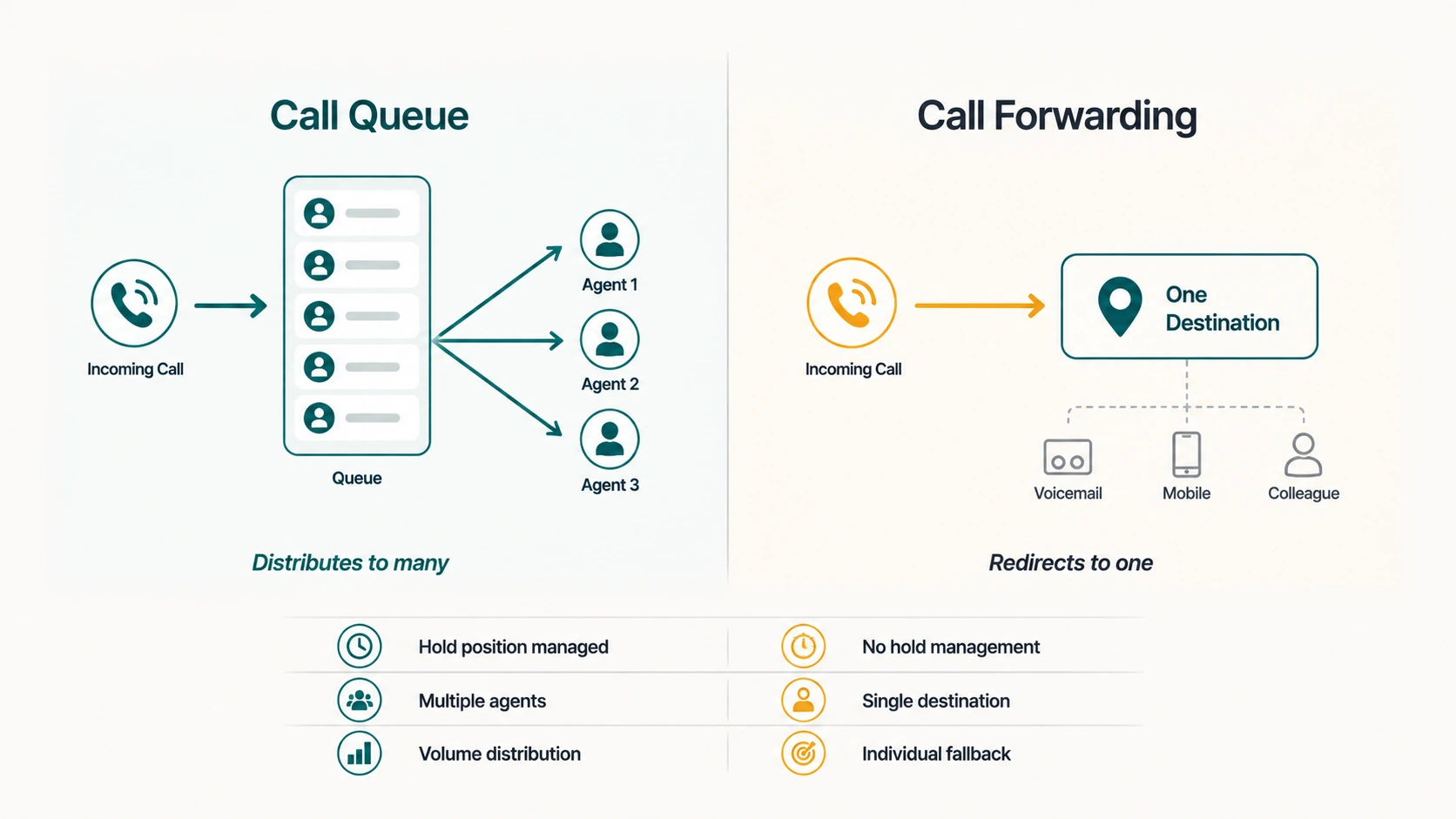
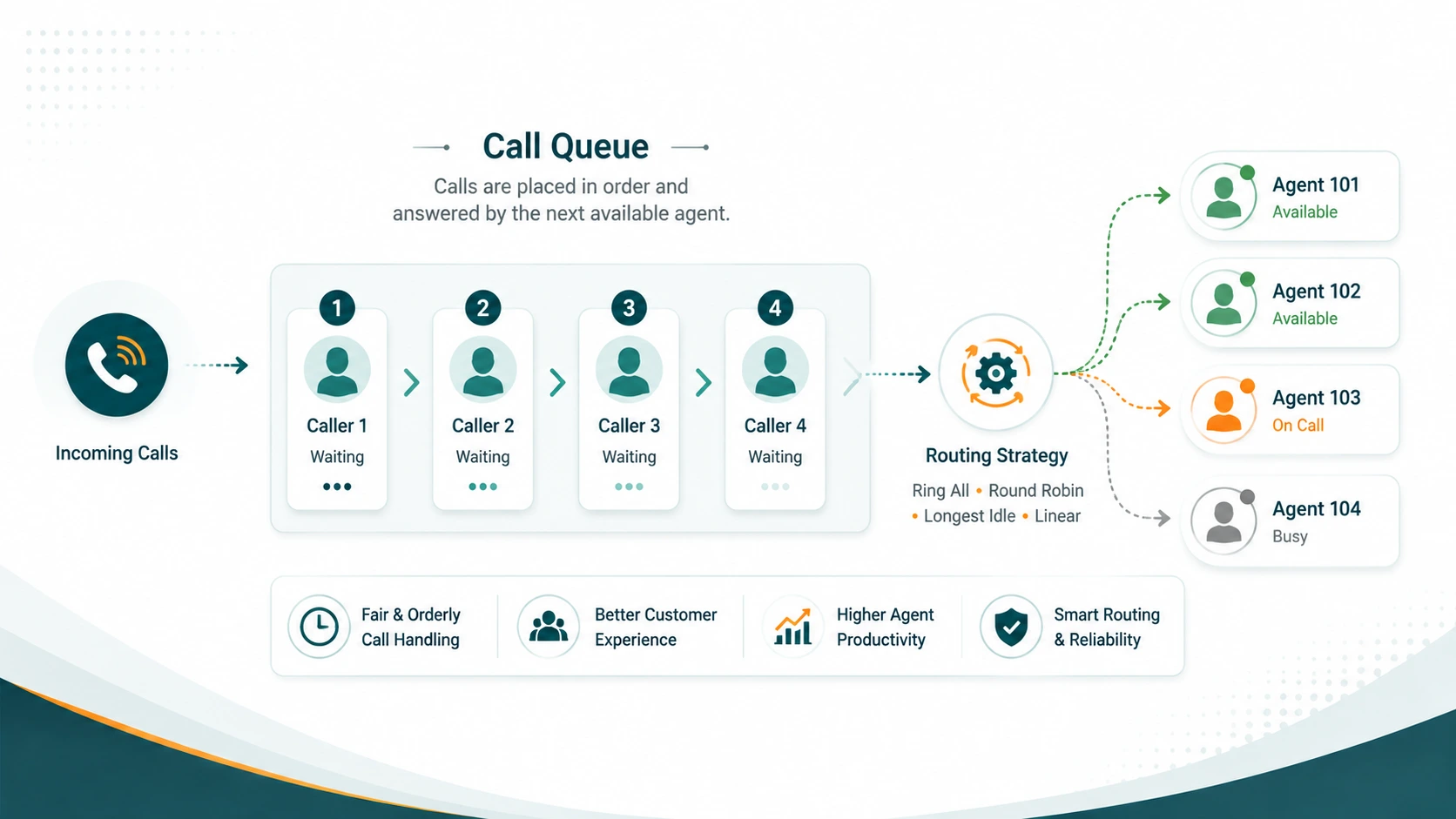
A call queue holds and distributes callers across agents; call forwarding redirects to one destination. How each works and when to use each.

Routing & Operations

What Is a Multi-Level IVR?

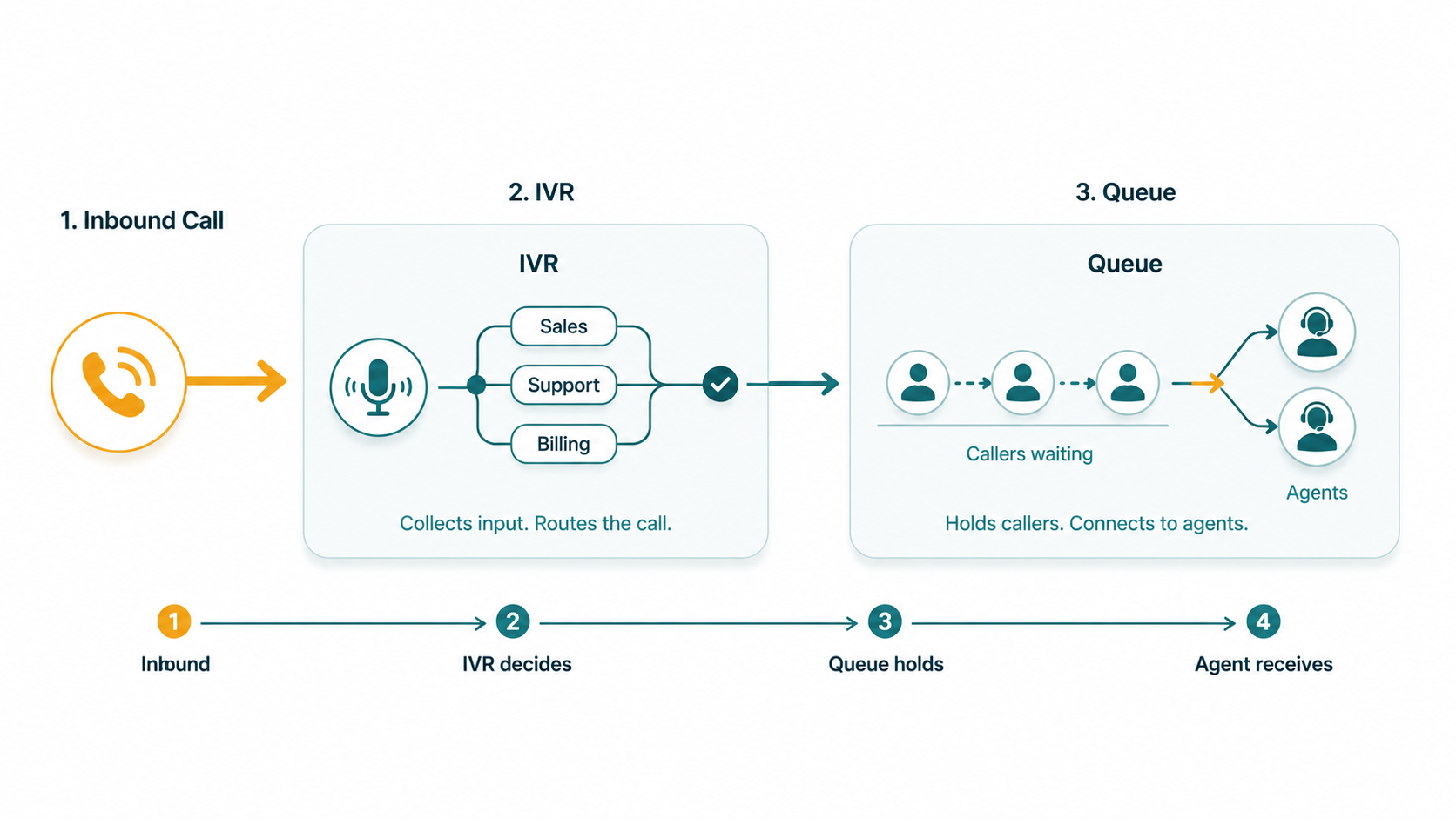
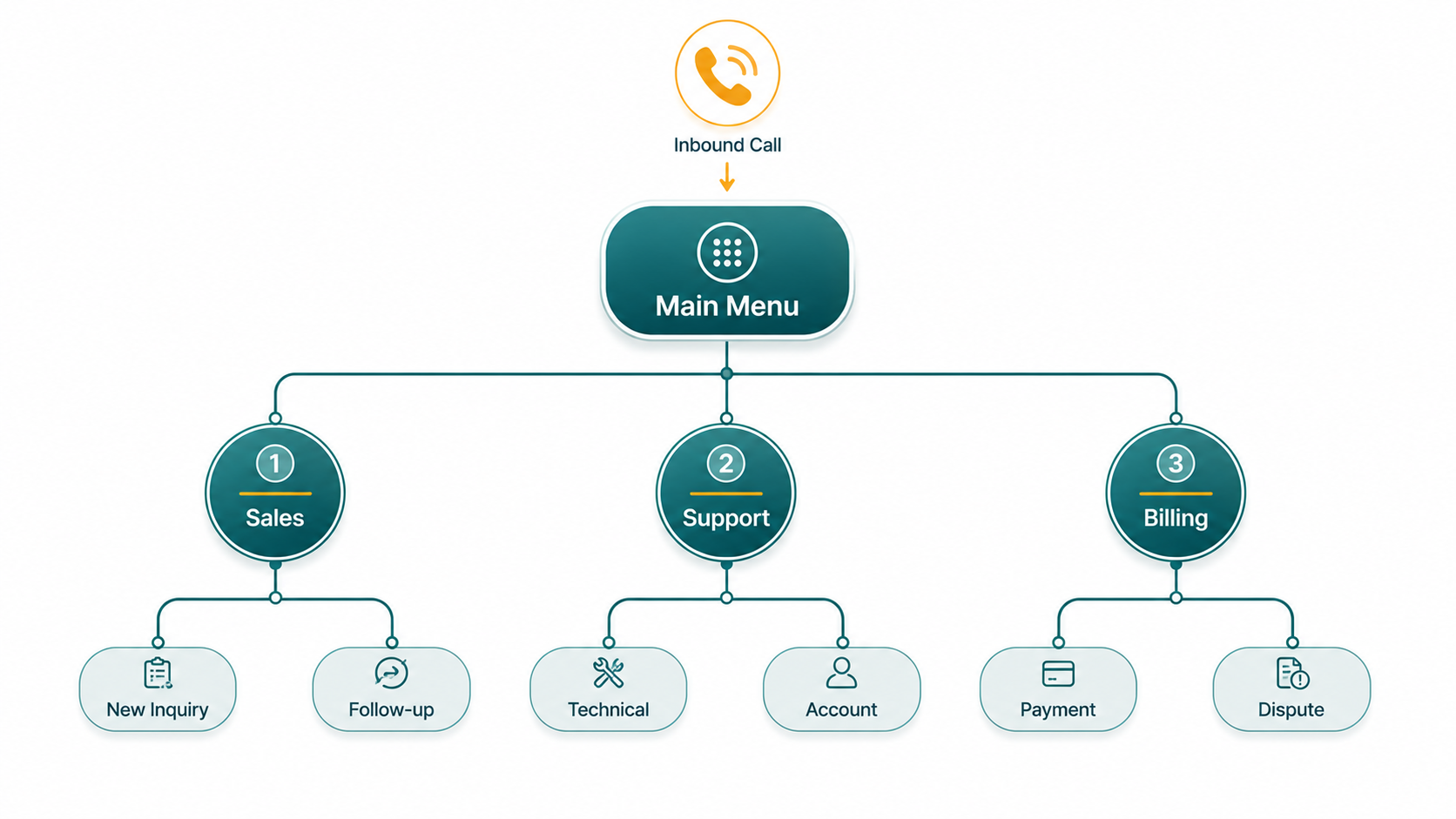
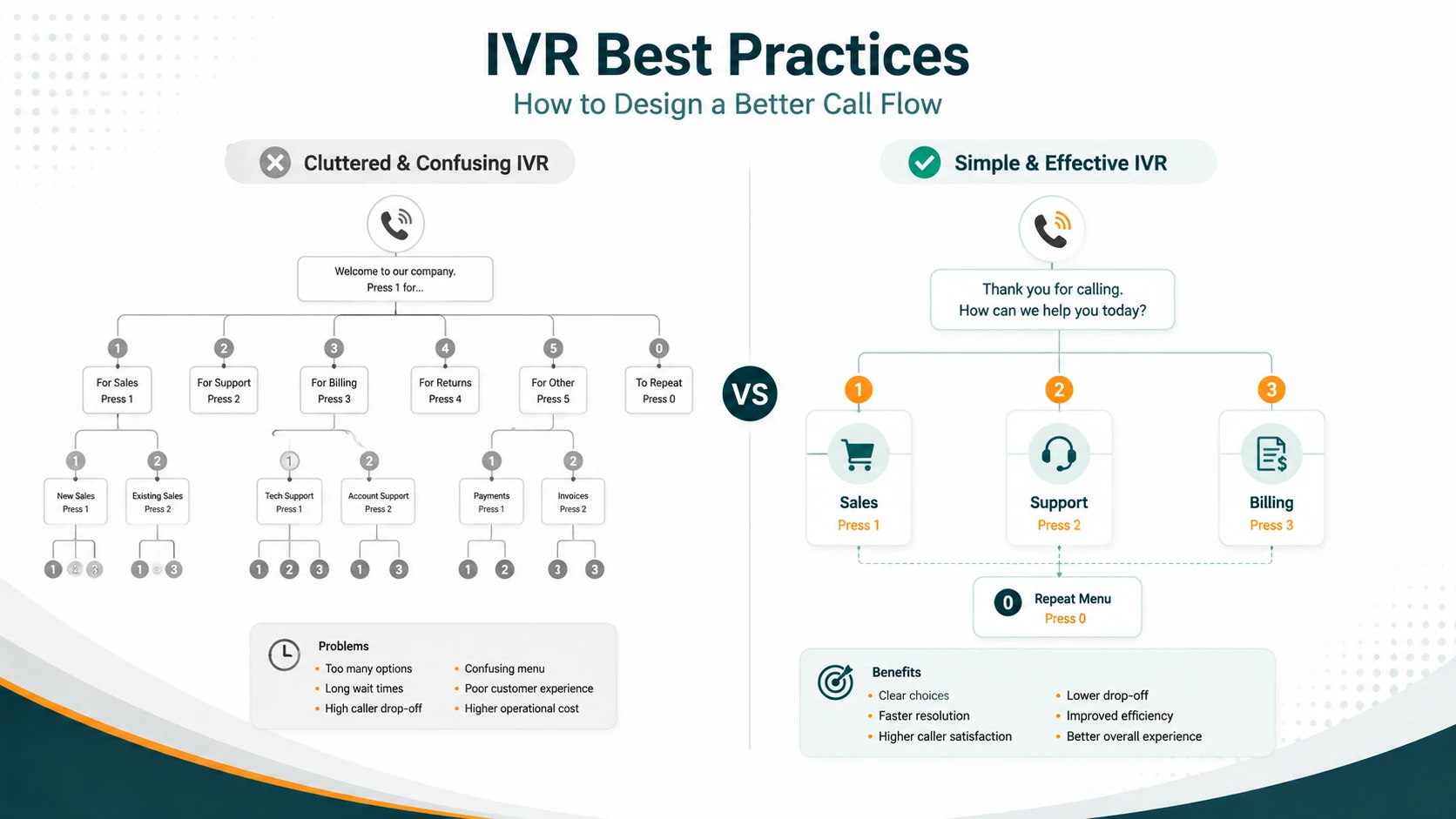
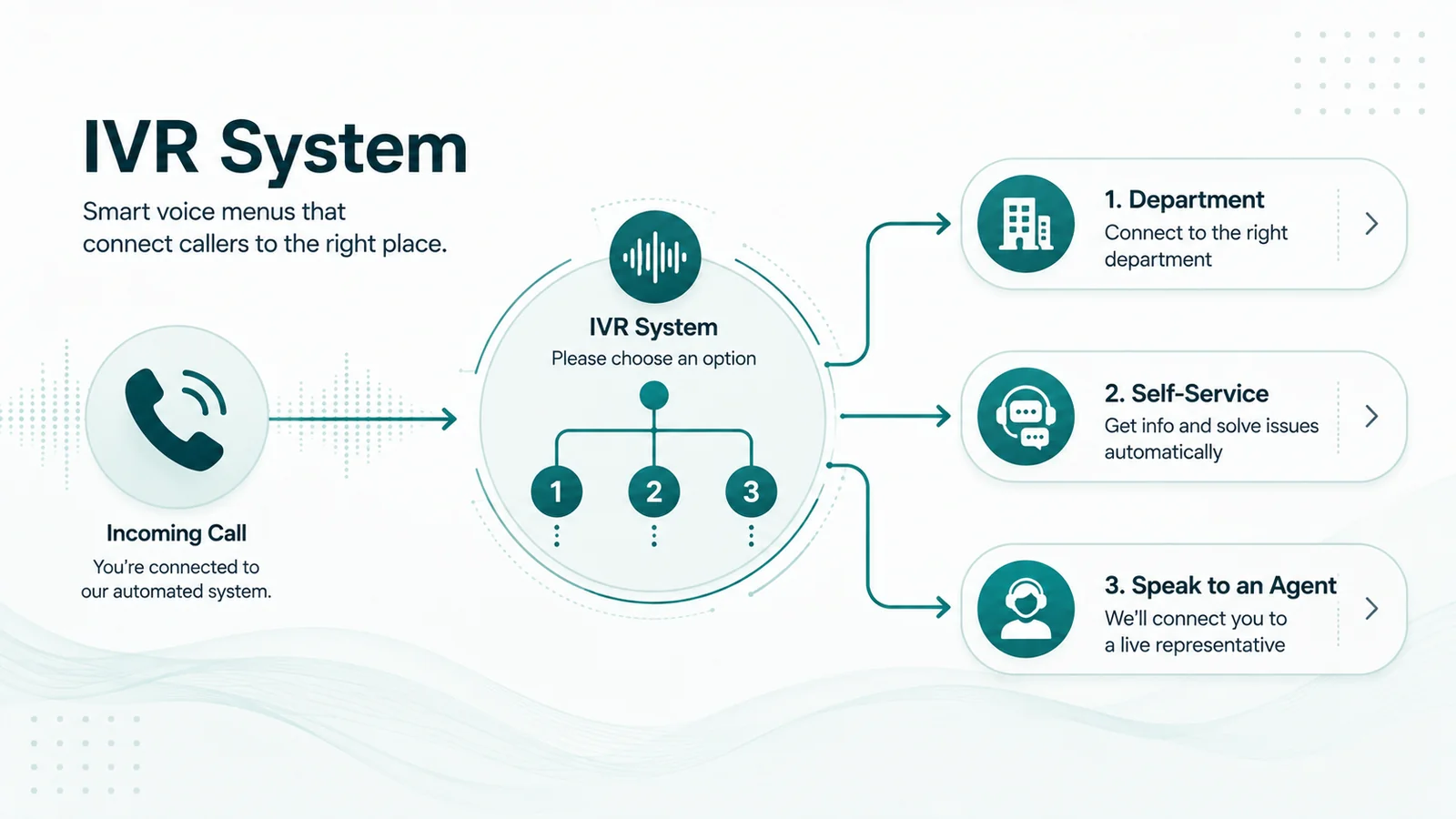
A multi-level IVR routes callers through nested menu layers. When nested menus improve routing accuracy, when they add friction, and how to design them.

Security & Remote Work

Security & Remote Work

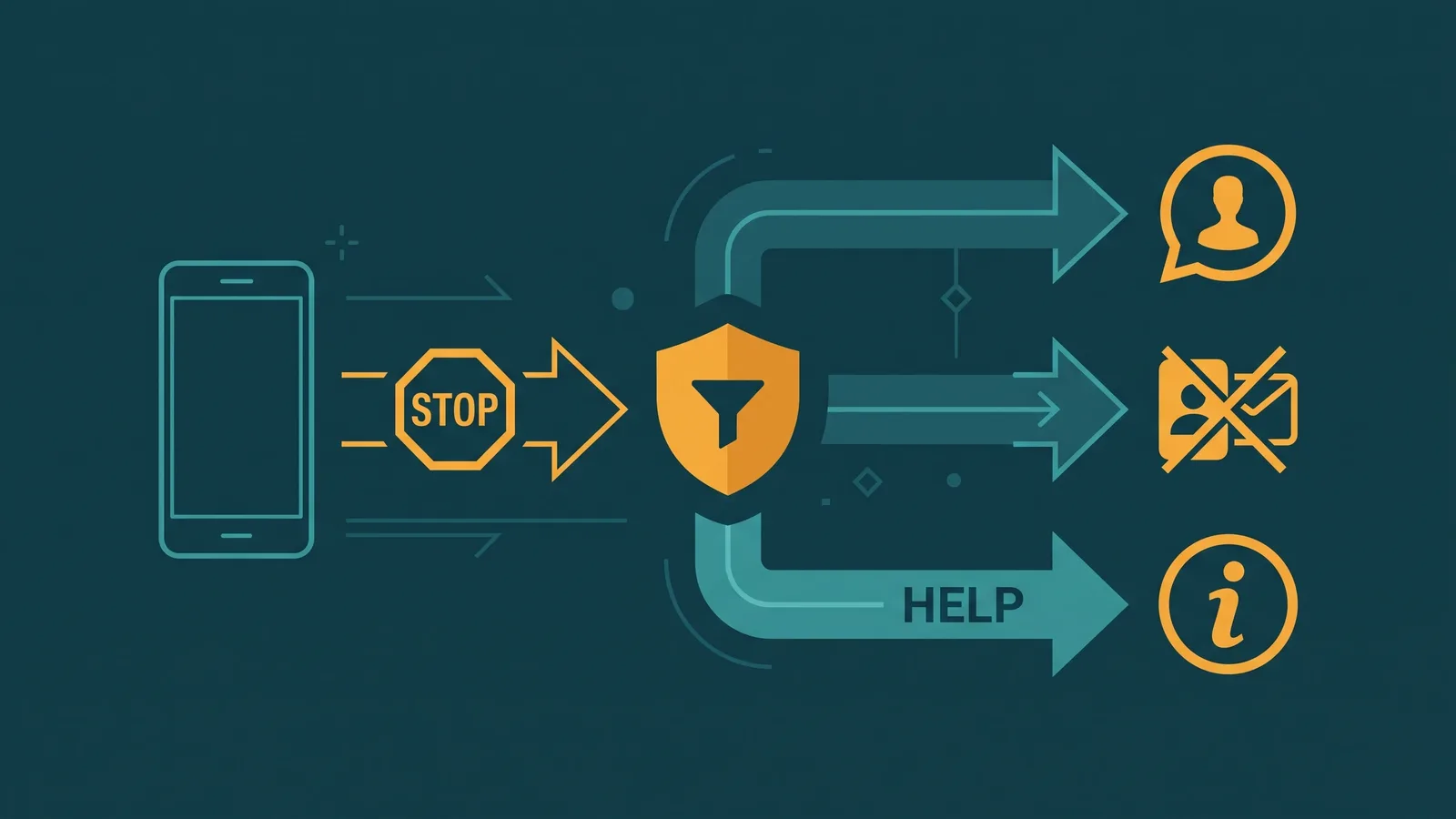
Business SMS Opt-In Examples and Consent Record Checklist

SMS opt-in consent is required before sending marketing or promotional text messages to customers. This guide covers common consent capture patterns for web forms, in-store sign-up, and SMS keyword opt-in, explains what evidence to retain, and outlines the difference between marketing campaigns and one-to-one transactional messages.

Security & Remote Work

VoIP Failover: How Backup Call Routing Works

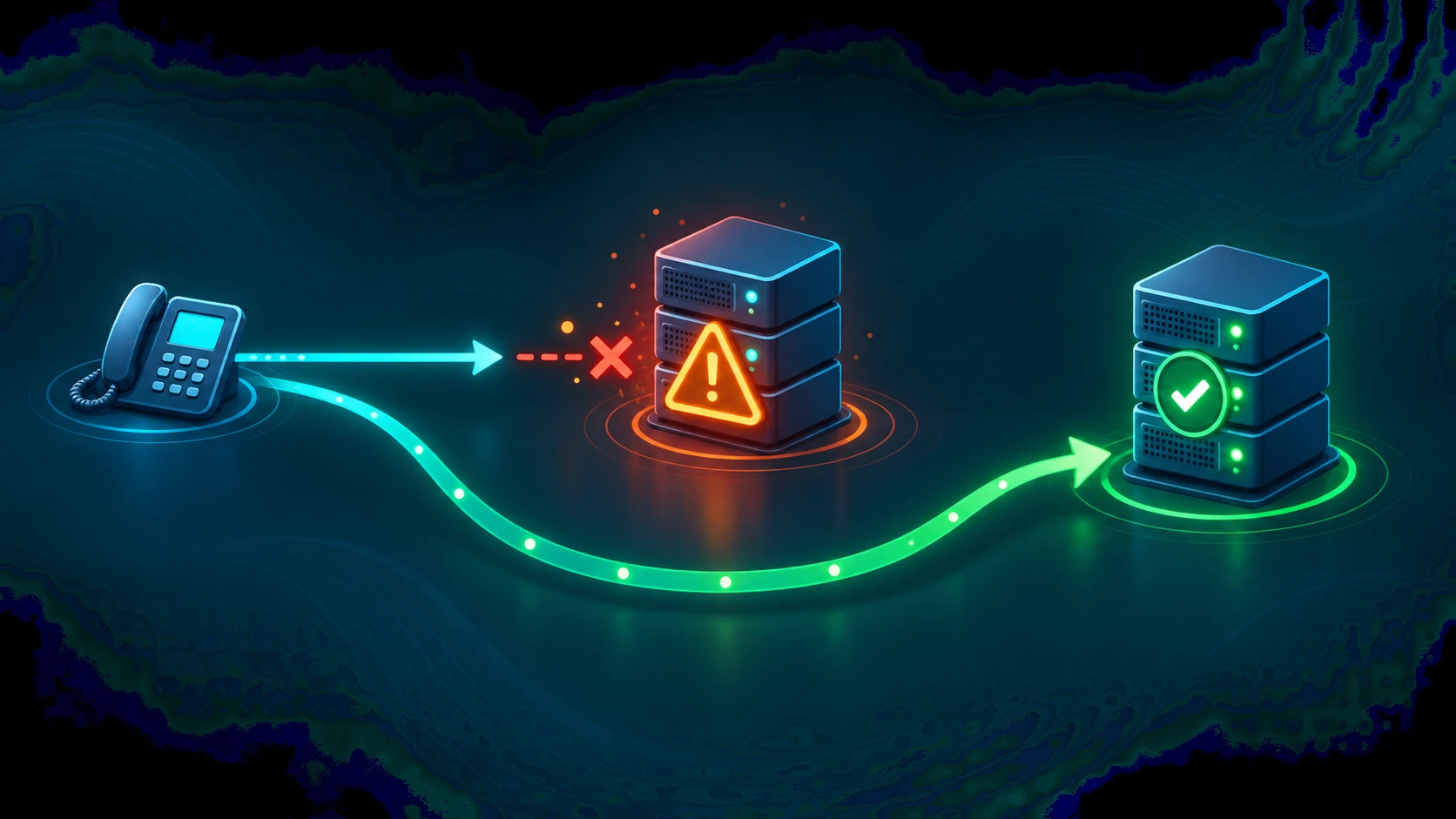
VoIP failover is the automatic process of rerouting calls to a backup path when a primary phone system or SIP trunk fails. This guide covers failure detection, DNS and SIP failover, carrier-level redundancy, in-progress call limitations, and how to test that failover actually works.

Security & Remote Work

Business Phone Disaster Recovery Plan: A Practical Checklist

A business phone disaster recovery plan defines who does what, which backup channels activate, and how you confirm recovery when your primary phone system fails. This practical checklist covers people, triggers, alternate channels, supplier contacts, testing, and recovery evidence.

Security & Remote Work

VoIP Firewall and NAT Configuration: What Businesses Need to Check

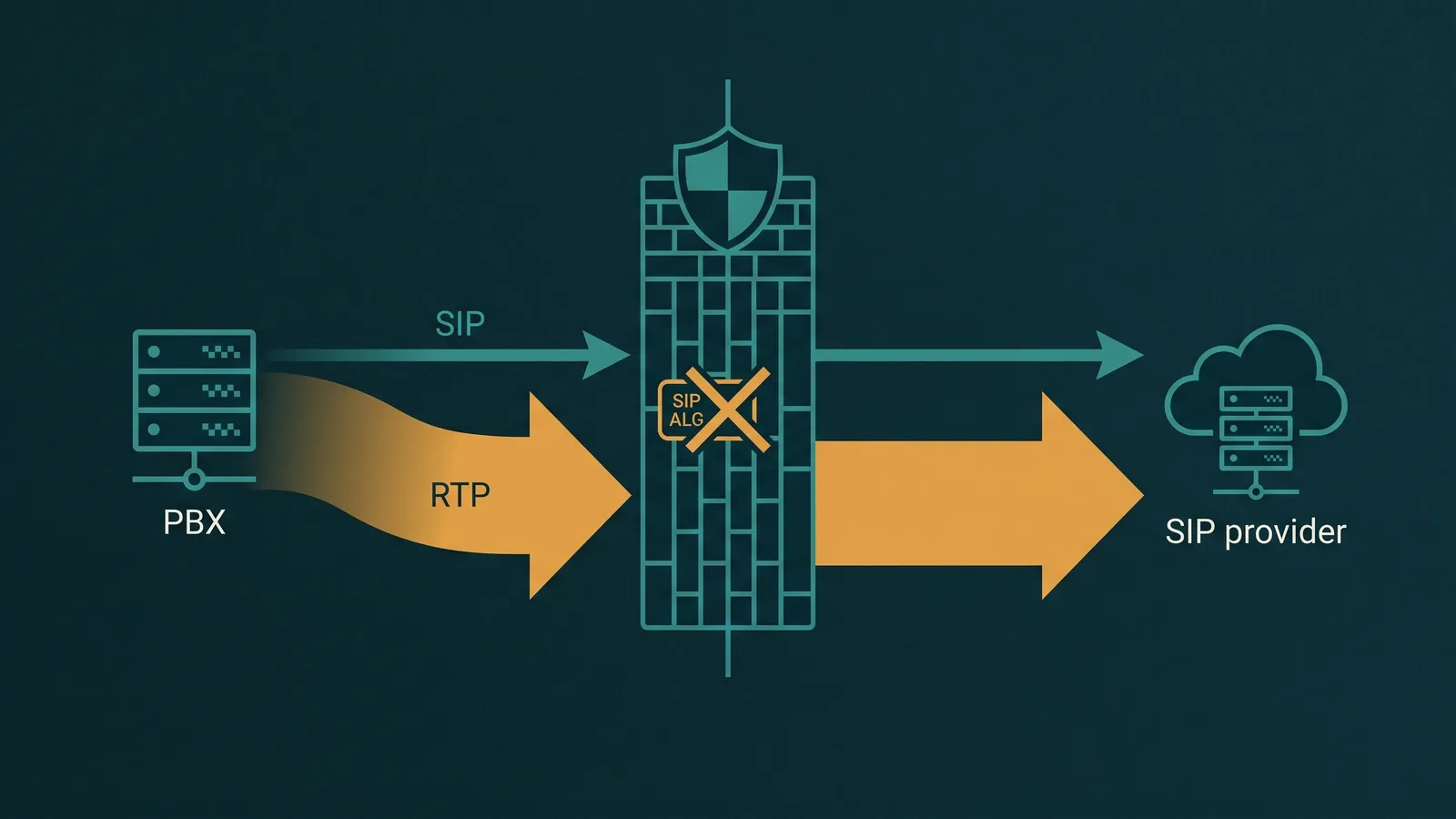
Misconfigured firewalls and NAT settings are among the most common causes of one-way audio, failed registrations, and dropped VoIP calls. This guide explains SIP and RTP traffic requirements, SIP ALG behavior, session timeouts, and a safe verification checklist for business VoIP environments.

Security & Remote Work

E911 for Remote Workers: Dispatchable Location Explained

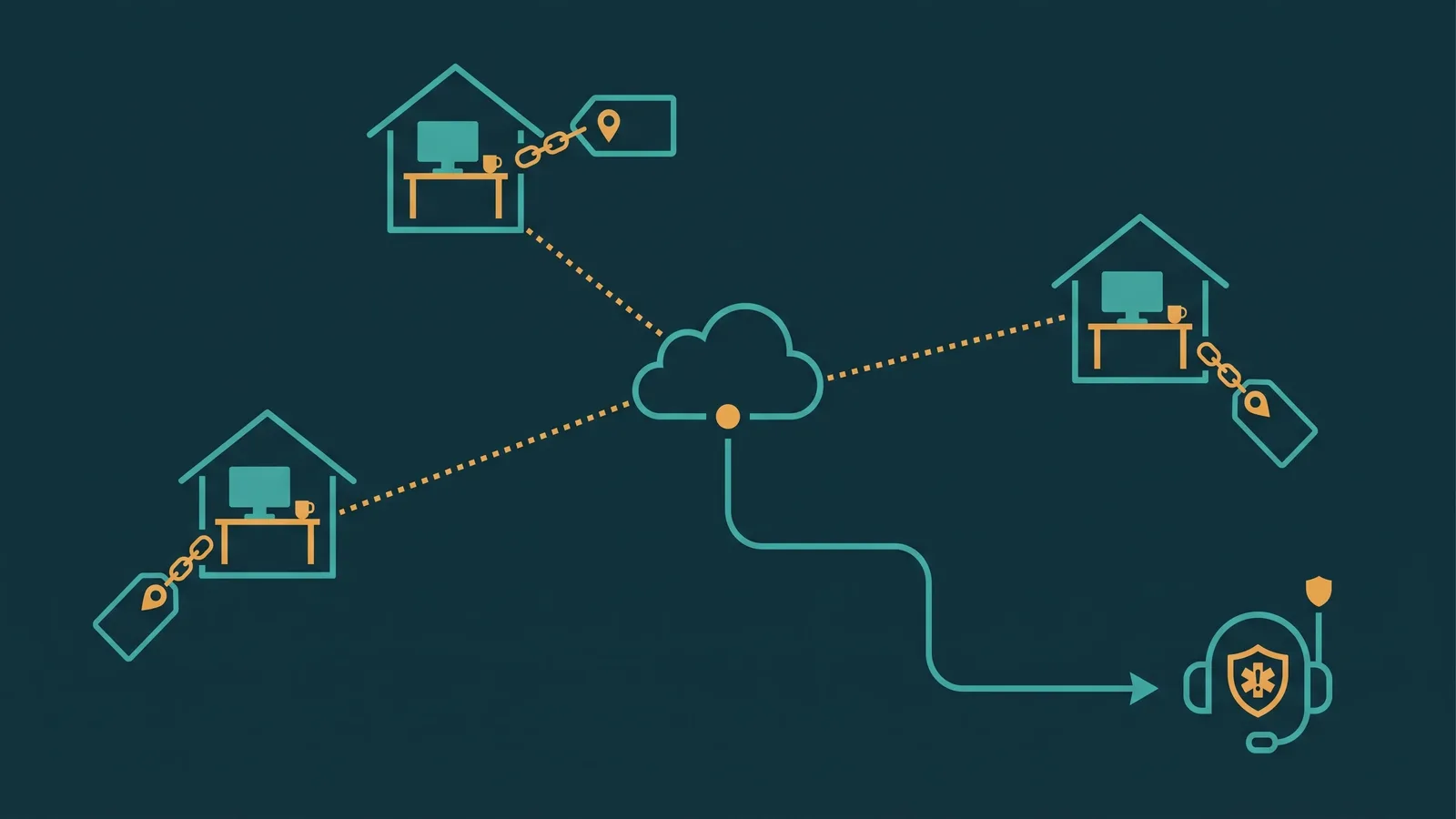
When a remote employee dials 911 from a VoIP softphone, the call may route to the wrong PSAP or deliver no location data at all. This guide explains the FCC dispatchable location requirement, Kari's Law, RAY BAUM's Act, and what businesses must do to keep remote workers compliant.

Security & Remote Work

Internet Redundancy for a Remote Call Center

Remote call centers depend on reliable internet at every agent location. This guide covers dual-ISP design, cellular backup, QoS configuration, VPN effects on VoIP, power backup, failover testing, and realistic limitations of home-agent redundancy at both the site and individual-agent level.

Security & Remote Work

BYOD Security for Business Phone Systems

When employees use personal devices for business calls, messages, and recordings, the organization loses control of sensitive communications without a BYOD security policy. This guide covers MDM/MAM controls, softphone encryption, local data storage risks, number privacy, session revocation, and offboarding.

Wholesale Voice & CC Routes

Practical writing on CC routes, call center termination, CPS, ACD, and route quality.

Call Center Software

CCaaS Buyer's Guide: What It Is, Key Features & How to Choose a Provider

CCaaS — Contact Center as a Service — delivers cloud-based ACD, IVR, omnichannel routing, analytics, and AI features on a subscription basis, replacing on-premise contact center infrastructure. This buyer's guide covers what CCaaS is, how it differs from UCaaS, key features, pricing, and what to evaluate before signing.

Call Center Software

Contact Center Software: Full Platform Guide for Scaling Teams

Contact center software unifies voice, chat, email, and SMS into a single omnichannel platform — combining ACD, IVR, call recording, real-time analytics, and CRM integration. This guide covers what separates contact center software from call center software, key features, pricing, and how to evaluate platforms as you scale.

Cloud Communications

Business VoIP Phone Solutions in Dallas TX: How to Compare Providers

Dallas businesses evaluating VoIP solutions face a crowded market. This guide explains how to compare hosted VoIP, SIP trunking, and UCaaS options on the criteria that matter most for DFW operations — local number inventory, porting from Texas carriers, SIP trunk capacity, and infrastructure proximity to Dallas.

Cloud Communications

Business Telecommunications Solutions: A Practical Guide for 2026

Modern business telecommunications solutions are cloud-delivered, subscription-priced, and hardware-optional. This guide covers the core components — voice, internet, fax, conferencing, messaging — how to evaluate legacy vs cloud solutions, and what small and mid-size businesses actually need vs what they often get sold.

Cloud Communications

VoIP Text Messaging: How Businesses Use SMS on Their Phone Number

VoIP text messaging lets businesses send and receive SMS on the same number used for voice calls — no separate platform required. This guide covers how VoIP SMS works, what it enables for customer communication, how it differs from standalone SMS platforms, and what to look for in a provider.

Cloud Communications

VoIP Phone in Dallas: What Local Businesses Need to Know

A VoIP phone in Dallas gives businesses local 214/469/972/945 number coverage, mobile-ready calling across the DFW metro, and cloud phone system features without hardware. This guide covers how VoIP phones work, what Dallas businesses specifically need, and how to choose a provider for the DFW market.

Cloud Communications

Business VoIP Systems in Dallas TX: What to Know Before You Buy

Business VoIP systems in Dallas TX are shaped by the DFW market — distributed teams, rapid growth, incumbent carriers like AT&T and Spectrum, and SIP trunk resellers competing with national cloud providers. This guide covers system configurations, provider evaluation, and what Dallas TX businesses actually need from a VoIP system.

Cloud Communications

Why Businesses Need Reliable Online Meeting Access

Unreliable online meeting access costs businesses in dropped deals, delayed decisions, and frustrated remote teams. This guide explains what reliable meeting access actually requires, the most common barriers, and how cloud communication platforms resolve them.

Cloud Communications

VoIP for Nonprofits: How to Cut Phone Costs Without Cutting Service

Nonprofits face the same communication demands as businesses but with tighter budgets and more scrutiny on every dollar. This guide explains how VoIP phone systems work for nonprofit organizations, what to look for in a provider, and how cloud calling reduces costs while improving donor and volunteer communication.

Cloud Communications

VoIP Phone System in Dallas: What Local Businesses Should Know

Dallas businesses evaluating VoIP phone systems face specific considerations: local area code coverage (214, 469, 972, 945), Texas regulatory context, carrier options in the DFW metro, and the infrastructure requirements of a fast-growing market. This guide covers what to look for and how cloud VoIP fits Dallas business needs.

Route Quality

Least-Cost Routing vs Quality-Based Routing in Wholesale Voice

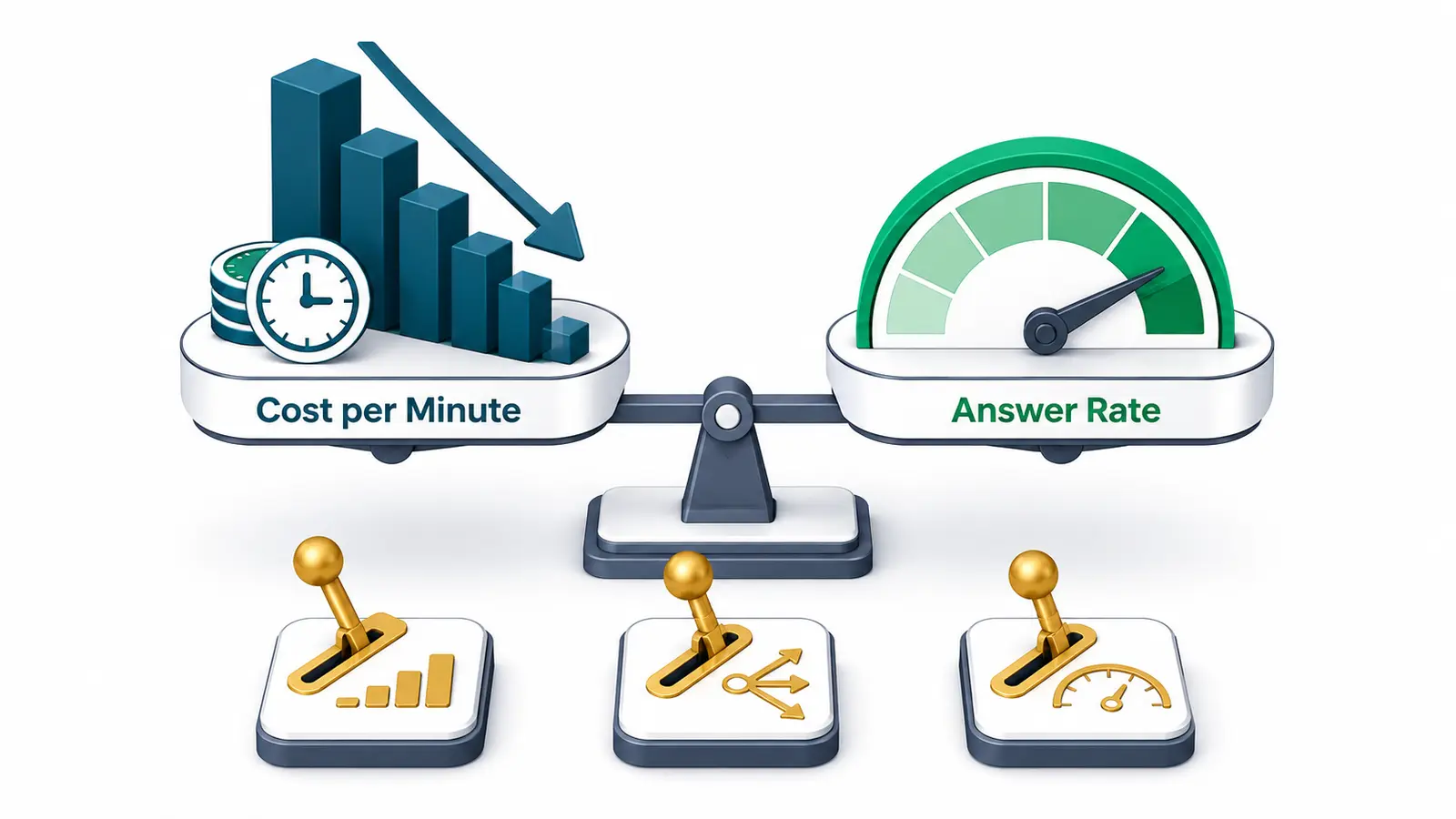
Least-cost routing (LCR) selects the cheapest available route for each call. Quality-based routing scores routes on ASR, NER, PDD, ACD, and CLI delivery to optimize outcomes, not just price. This guide compares both models, explains blended/scored routing, and covers floor-price risks, fraud exposure, and when each model fits.

Route Quality

How to Test a Wholesale VoIP Route Before Sending Live Traffic

Sending live call center traffic over an untested route risks dropped calls, poor audio, CLI stripping, and FAS billing. This guide covers a controlled pre-production test plan: destination coverage, sample mix, peak-period testing, cause code analysis, CDR reconciliation, audio quality checks, and acceptance criteria before go-live.

Cloud PBX & SIP

SIP Response Codes Explained for Business VoIP Troubleshooting

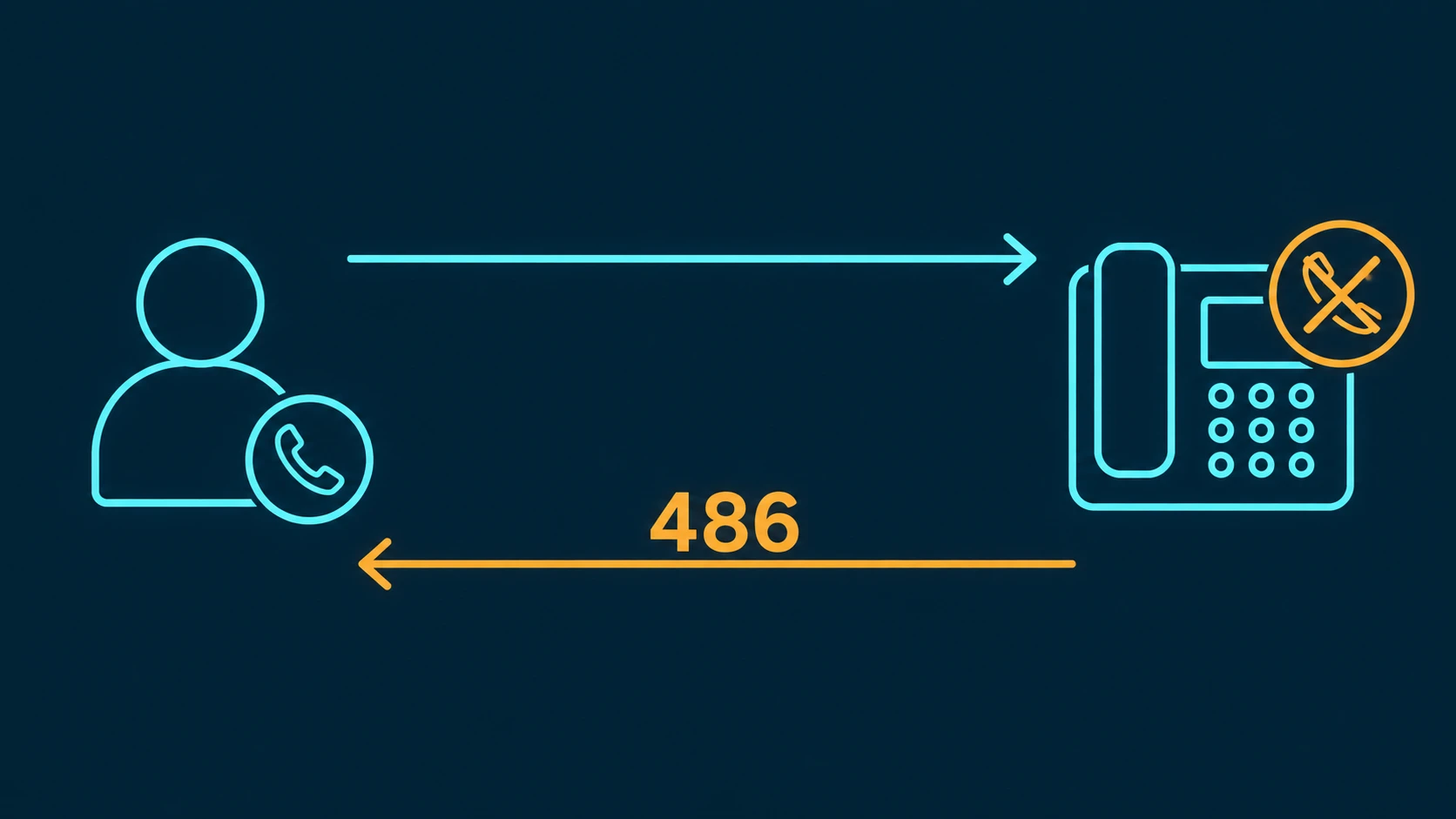
SIP response codes tell you exactly where a call failed — at authentication, the far-end device, the network, or the carrier. This guide explains the 1xx–6xx response families, the most common codes business VoIP teams encounter, and how to use them to diagnose failed calls.

Cloud PBX & SIP

SIP Trunk Registration Failure: Causes and Troubleshooting

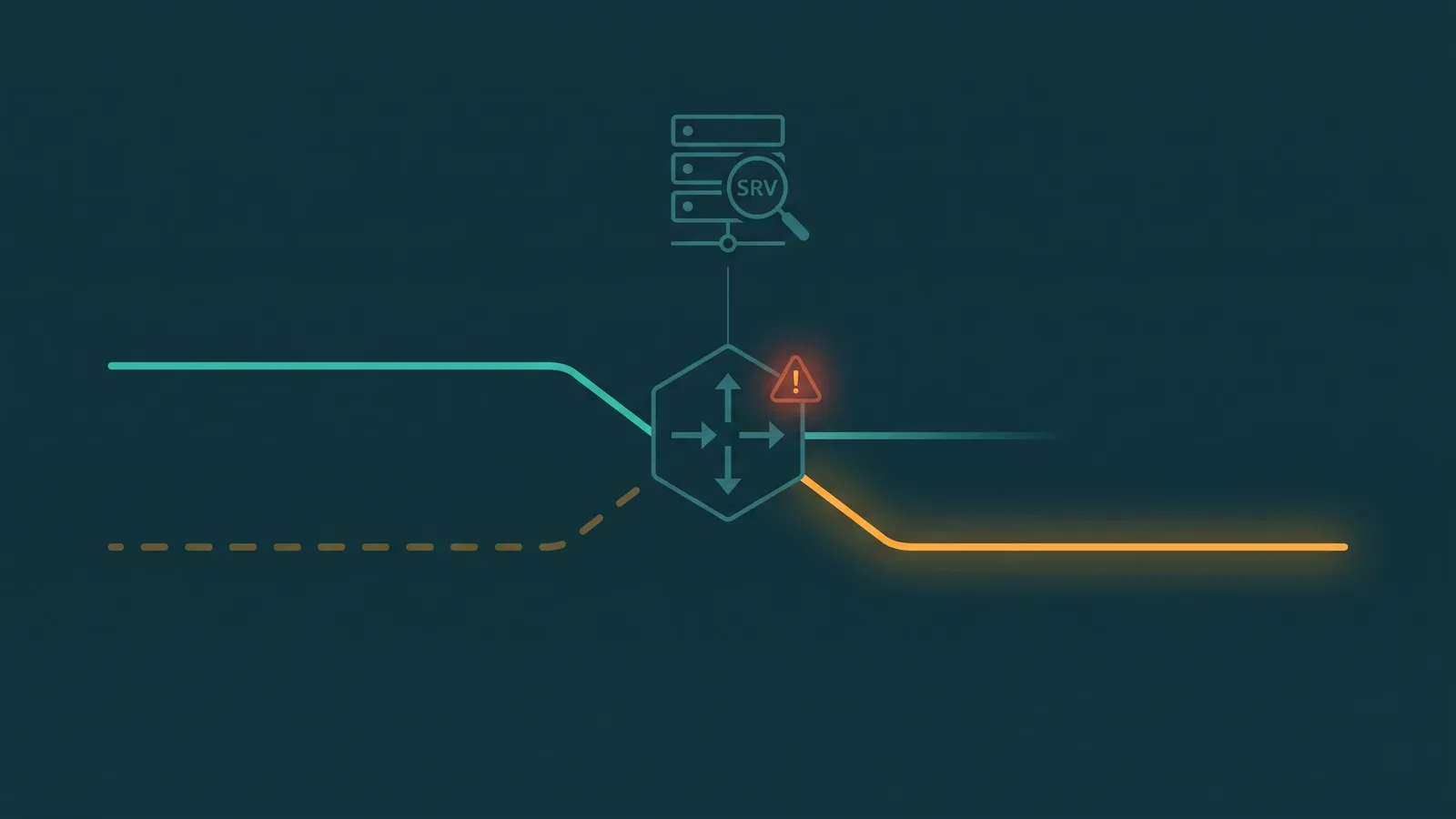
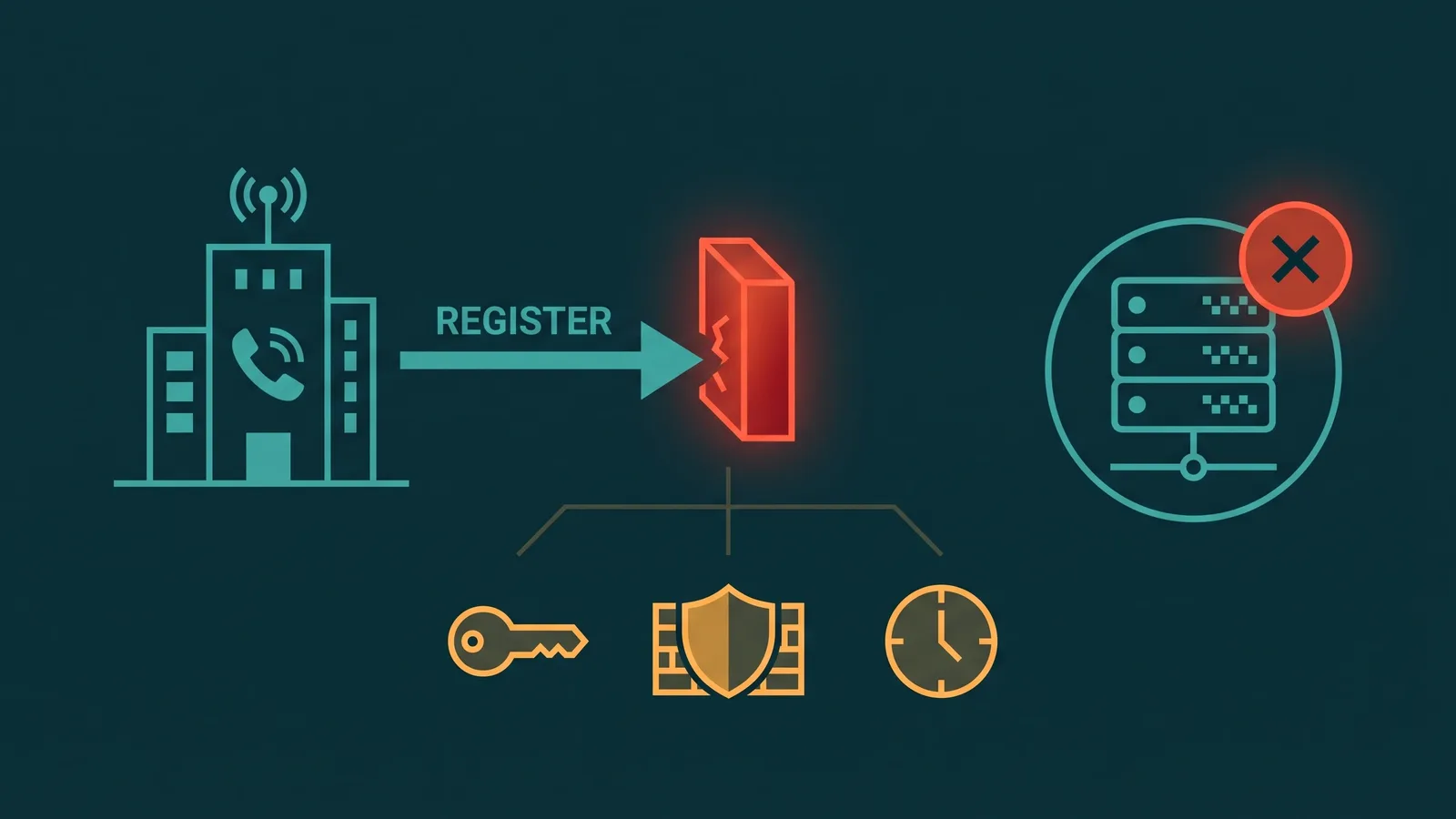
SIP trunk registration failure means your PBX cannot authenticate with the carrier and calls cannot flow. This guide covers every failure point — credentials, realm, DNS, transport, NAT, firewall, registration expiry, and provider-side restrictions — with a step-by-step diagnostic workflow.

Fundamentals

What Is ACD in VoIP?

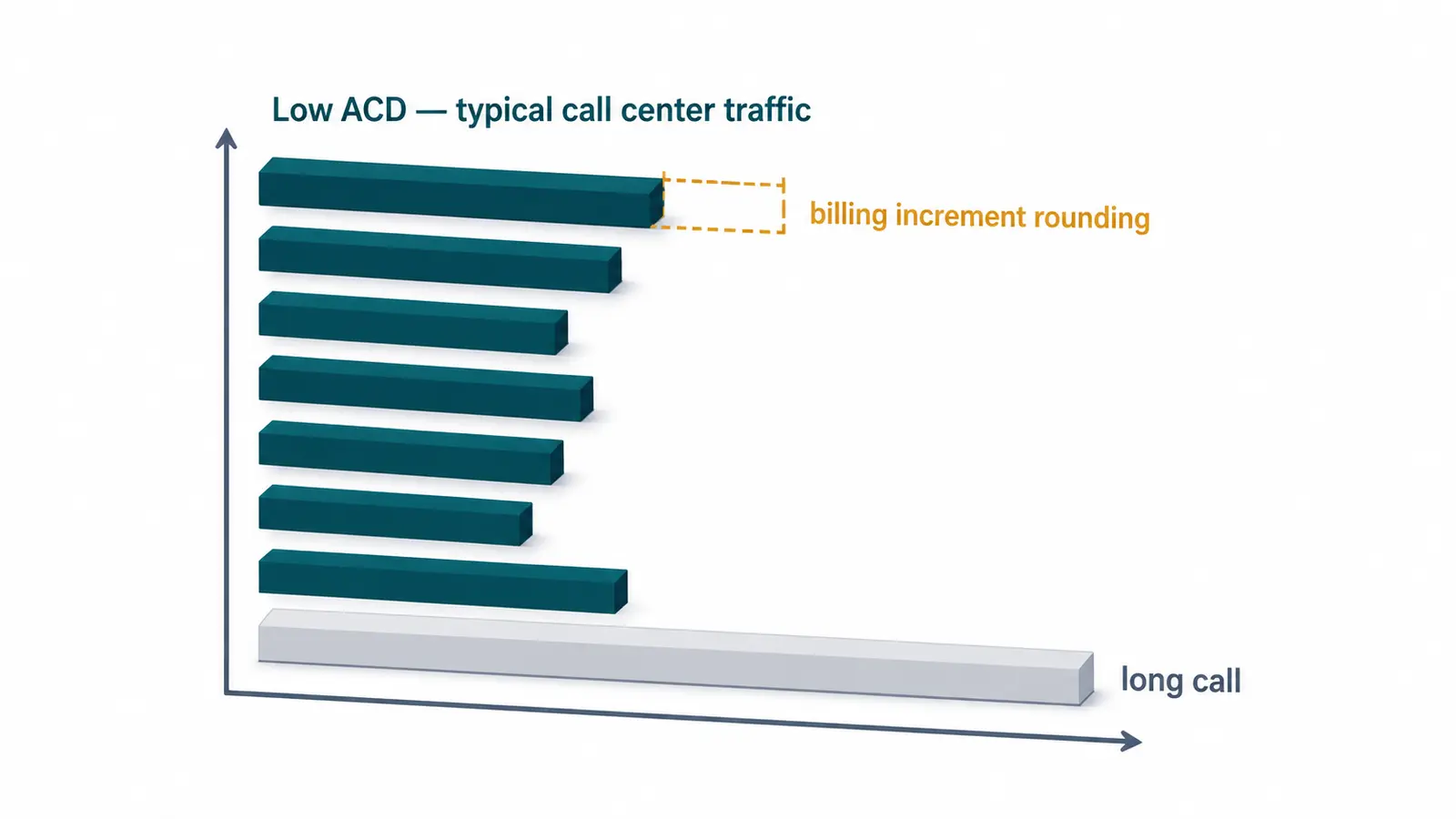
Average call duration explained: why call center traffic runs low ACD, and how it affects route selection and pricing.

Fundamentals

What Is CPS in VoIP?

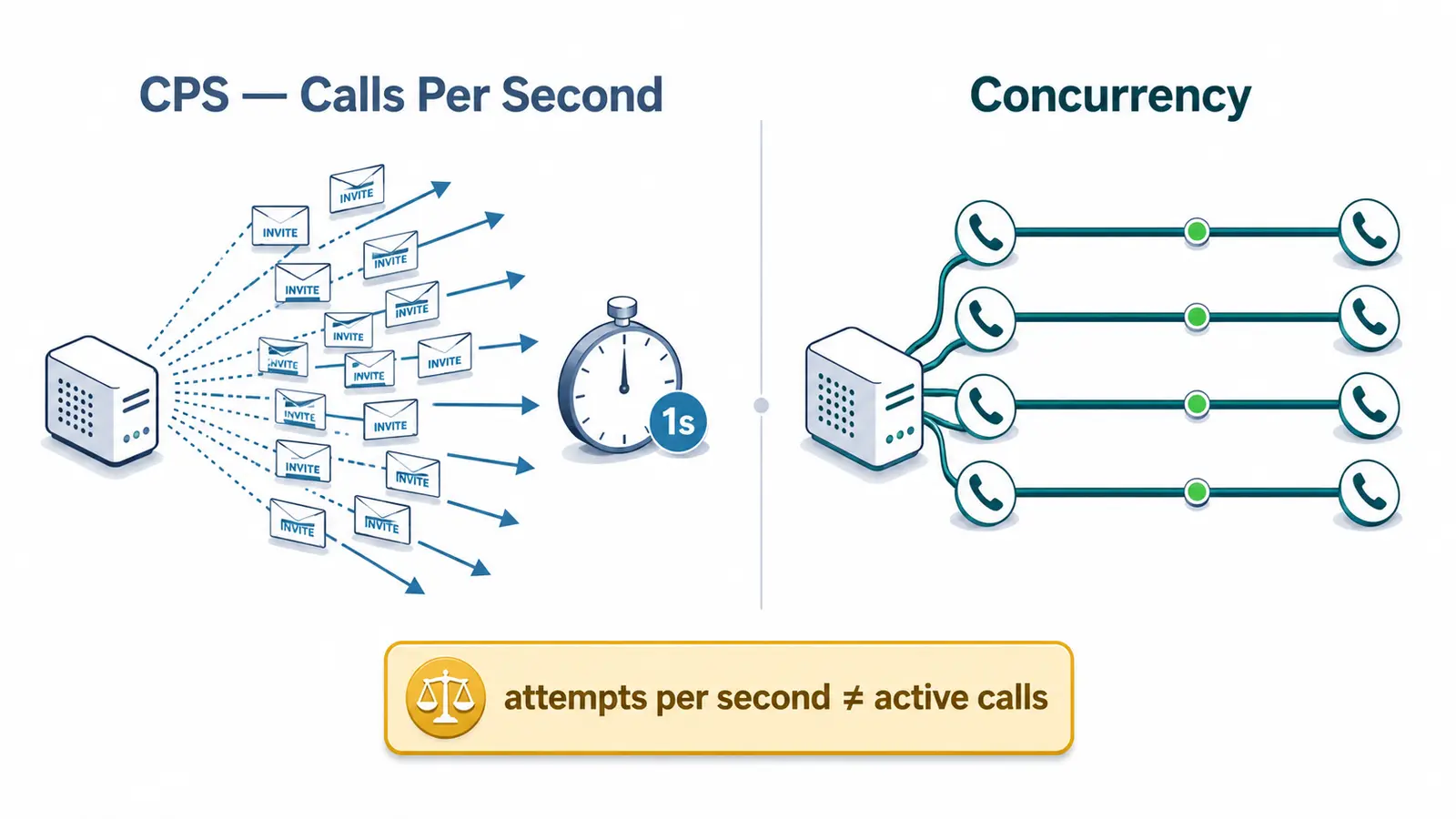
Calls per second explained: why it matters for predictive dialers, and how it differs from concurrency and channel count.